With more than 10‑year industry experience, Shandong Headpowder delivers full‑service pneumatic‑conveying systems and blowers, undertaking nationwide turn‑key powder‑handling projects.
Phosphorus pentachloride (PCl₅) is a highly reactive and corrosive chemical compound widely used in industrial applications, such as organic synthesis and chemical manufacturing. The safe and efficient handling of PCl₅ requires specialized equipment, particularly pneumatic conveying systems. This article explores the classification and key components of PCl₅ pneumatic conveying systems, highlighting the importance of tailored solutions for handling this hazardous material.
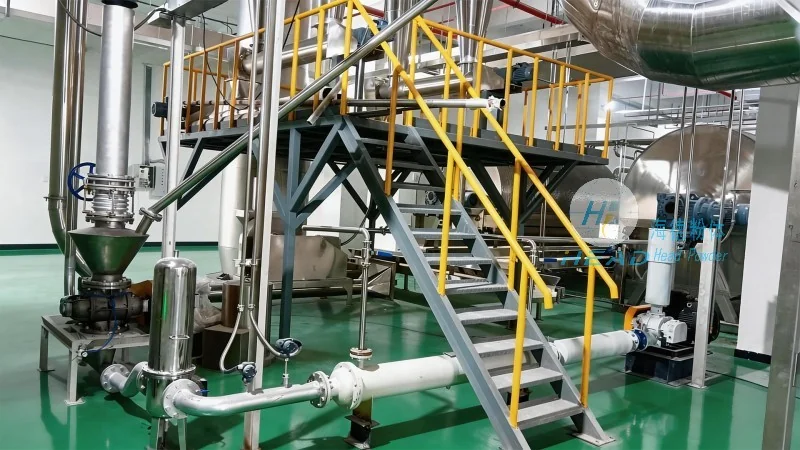
Phosphorus pentachloride pneumatic conveying systems can be classified based on the pressure differential between the conveying line and the ambient environment. The two primary categories are positive pressure systems and negative pressure systems, each with distinct characteristics and applications.
Positive pressure systems operate by blowing air or gas into the conveying line, creating a pressure higher than the ambient air pressure. This method is particularly suitable for transporting PCl₅ from a central storage or processing unit to multiple destinations, as it allows for the distribution of the material to several points without the need for separate vacuum pumps at each receiving location. The system typically includes a positive displacement blower or a rotary lobe compressor to generate the necessary pressure. The material is fed into the system using a rotary valve or a star feeder, which ensures a controlled and consistent flow of PCl₅. The conveying line is usually made of corrosion-resistant materials, such as stainless steel or PTFE-coated pipes, to withstand the chemical properties of PCl₅. The system also incorporates a dust collection or filtration unit to prevent the release of hazardous particles into the environment.
Negative pressure systems, also known as vacuum systems, operate by creating a vacuum in the conveying line, drawing PCl₅ from the source to the collection point. This approach is often preferred for applications where the material needs to be transferred from a single point to a central processing unit, as it minimizes the risk of material spillage and exposure. The system utilizes a vacuum pump, such as a rotary vane or a liquid ring pump, to maintain the vacuum. The feed mechanism may include a hopper with a rotary valve or a screw feeder, which ensures a steady supply of PCl₅ into the system. The conveying line is similarly constructed from corrosion-resistant materials to protect against the chemical properties of PCl₅. A dust collection system is also essential to capture any airborne particles and prevent contamination of the environment.
Regardless of the classification, PCl₅ pneumatic conveying systems share several critical components that ensure safe and efficient operation. These components work in concert to handle the material from its source to its final destination.
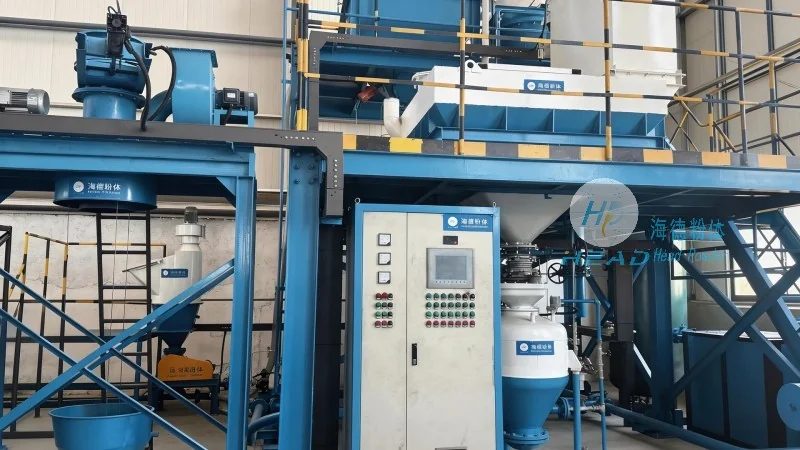
The feed equipment is responsible for introducing PCl₅ into the conveying system. Common options include rotary valves, star feeders, and screw feeders. Rotary valves are widely used due to their ability to control the flow rate and prevent backflow, which is crucial for handling PCl₅, a material that can be highly reactive. Star feeders are suitable for materials with a free-flowing nature, while screw feeders are ideal for bulk materials that require consistent feeding. The feed equipment is typically made of stainless steel or other corrosion-resistant materials to withstand the chemical properties of PCl₅.
The conveying line is the primary component that transports PCl₅ from the feed point to the collection point. The material is carried by a stream of air or gas, which is generated by the system's blower or vacuum pump. The line is usually made of stainless steel or PTFE-coated pipes, as these materials are resistant to the corrosive nature of PCl₅. The diameter and length of the line are carefully designed to ensure optimal flow rates and minimize pressure drop. The line may also include bends, elbows, and straight sections, which are engineered to maintain the integrity of the material and prevent blockages or clogging.
At the receiving end of the system, separation and collection equipment are used to separate the PCl₅ from the conveying air and collect it in a container or hopper. The most common separation method is cyclone separation, which uses centrifugal force to separate the solid particles from the gas stream. The cyclone is typically made of stainless steel and is designed to handle the high velocity and pressure of the conveying system. After the cyclone, a filter or baghouse may be used to capture any remaining particles, ensuring that the exhaust air is clean and compliant with environmental regulations. The collected PCl₅ is then transferred to a storage or processing unit, completing the conveying process.
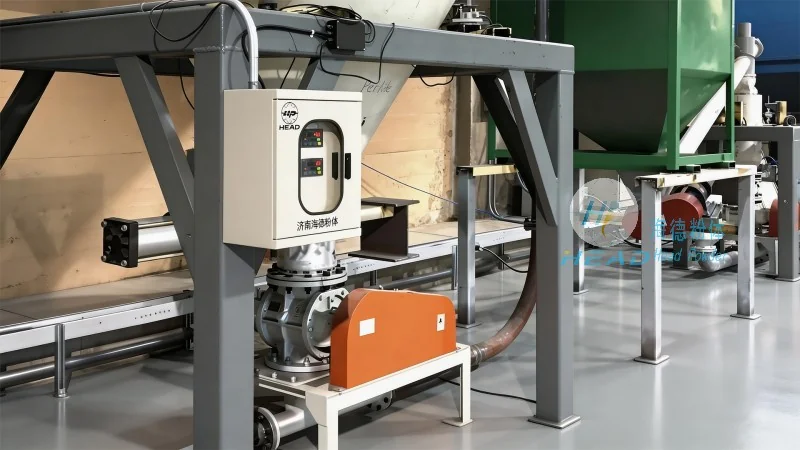
Modern PCl₅ pneumatic conveying systems are equipped with advanced control and monitoring systems to ensure safe and efficient operation. These systems include pressure sensors, flow meters, and temperature sensors, which provide real-time data on the system's performance. The control system can adjust the blower speed or vacuum level to maintain optimal pressure and flow rates, preventing overloading or underloading of the system. Additionally, the system may include alarms and safety interlocks to detect and respond to any abnormalities, such as pressure spikes or material blockages. This ensures that the system operates within safe parameters and minimizes the risk of accidents or spills.
Shandong HeadPowder Engineering Co., Ltd., a leading provider of industrial engineering solutions, specializes in designing and manufacturing PCl₅ pneumatic conveying systems tailored to the specific needs of clients. With years of experience in handling hazardous materials, the company has developed expertise in creating safe and efficient systems that meet the stringent requirements of the chemical industry. The company's team of engineers and technicians works closely with clients to understand their operational requirements and design systems that optimize material handling while ensuring compliance with safety and environmental regulations.
HeadPowder's PCl₅ pneumatic conveying systems are designed with the latest technology and materials to ensure durability and reliability. The systems are constructed using high-quality stainless steel and corrosion-resistant components, which are tested to withstand the harsh conditions of PCl₅ handling. The company also provides comprehensive support services, including installation, commissioning, and maintenance, to ensure that the systems operate at peak performance throughout their lifecycle. By partnering with HeadPowder, clients can benefit from customized solutions that enhance productivity, reduce downtime, and minimize the risk of accidents or environmental incidents.
Located in Shandong, China, Shandong HeadPowder Engineering Co., Ltd. leverages its local expertise and resources to deliver high-quality products and services to clients worldwide. The company's commitment to quality and safety has earned it a reputation as a trusted partner in the chemical industry, providing reliable solutions for the handling of hazardous materials like phosphorus pentachloride.

 Shandong Headpowder Engineering Co., Ltd.
 156-6277-7102(Manager Zhang)
  0531-83386006
  Zhangqiu District, Jinan City, Shandong Province, China
telephone
WeChatconsult
top