With more than 10‑year industry experience, Shandong Headpowder delivers full‑service pneumatic‑conveying systems and blowers, undertaking nationwide turn‑key powder‑handling projects.
When designing a dry sludge pneumatic conveying system, several critical factors must be considered to ensure efficient, reliable, and cost-effective operation. This article outlines key design considerations for such systems, emphasizing the expertise of Shandong HeadPowder Engineering Co., Ltd., a leading provider in the field.
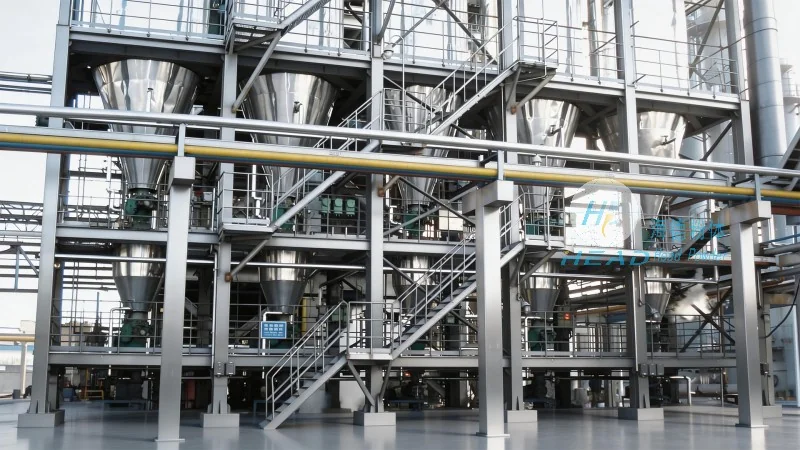
A dry sludge pneumatic conveying system typically consists of several key components, each playing a vital role in the overall performance. The primary elements include a sludge dryer, a conveying line (often equipped with a positive displacement blower or a high-pressure compressor), a dust collector, and a receiving hopper. The sludge dryer is crucial for reducing moisture content to a level suitable for pneumatic transport, as excessive moisture can lead to blockages and reduced system efficiency. The conveying line must be designed to handle the specific properties of dry sludge, including its particle size, density, and flow characteristics. The positive displacement blower or compressor provides the necessary air pressure to move the material through the system, while the dust collector ensures compliance with air quality regulations and protects downstream equipment from particulate buildup.
Several design considerations are essential to maximize the efficiency and reliability of a dry sludge pneumatic conveying system. First, the selection of the appropriate air velocity is critical. The air velocity must be high enough to prevent sludge particles from settling in the conveying line but low enough to minimize energy consumption and wear on components. Engineers must also consider the system's pressure drop, which is influenced by the length of the conveying line, the number of bends, and the diameter of the pipes. Proper sizing of the conveying line and the blower or compressor is essential to maintain optimal pressure and flow rates. Additionally, the design must account for the potential for clogging, especially in areas with high moisture content or fine particles. Implementing features such as air cannons or vibration systems can help prevent blockages and ensure continuous operation. The material of construction is another critical factor, as it must withstand the corrosive and abrasive nature of dry sludge. Stainless steel or specialized coatings are often used to protect the system from wear and corrosion.
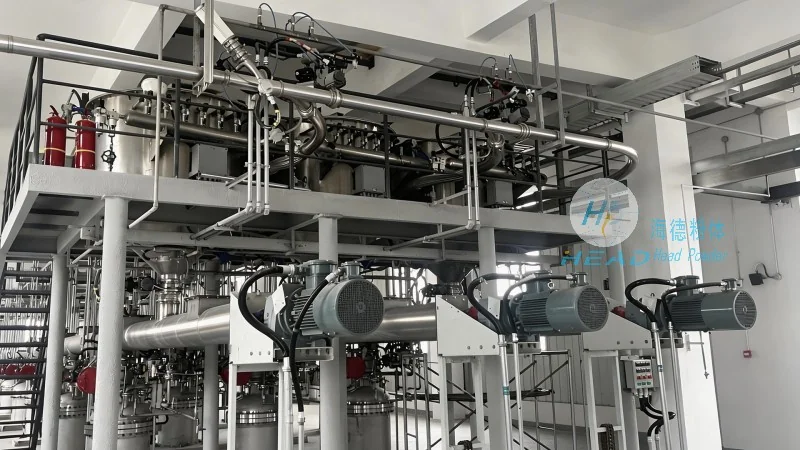
When designing a dry sludge pneumatic conveying system, it is essential to integrate it seamlessly with existing infrastructure and process flow. This involves assessing the current layout of the facility, including the location of the sludge source, the destination of the conveyed material, and any existing air handling or dust control systems. The system must be designed to minimize disruption to existing operations and to comply with all relevant regulations regarding air emissions and noise levels. The integration process may also require coordination with other equipment, such as storage silos or processing units, to ensure smooth material transfer. Engineers must consider the impact of the system on the overall process flow, including the timing and volume of sludge transport, to avoid bottlenecks or inefficiencies. Proper planning and coordination during the design phase can significantly reduce installation time and operational costs.
Energy efficiency and environmental compliance are critical considerations in the design of dry sludge pneumatic conveying systems. The selection of a high-efficiency blower or compressor can reduce energy consumption and operating costs over the system's lifespan. Additionally, implementing energy-saving features such as variable frequency drives (VFDs) can adjust the system's output based on demand, further reducing energy use. The system must also comply with local and national regulations regarding air quality, noise pollution, and waste management. This may involve incorporating advanced dust collection systems, such as baghouses or electrostatic precipitators, to ensure that emissions meet or exceed regulatory standards. The design must also consider the environmental impact of the system's operation, including the potential for odor control and the management of any byproducts generated during the conveying process. By prioritizing energy efficiency and environmental compliance from the outset, engineers can create a system that is not only cost-effective but also sustainable and responsible.
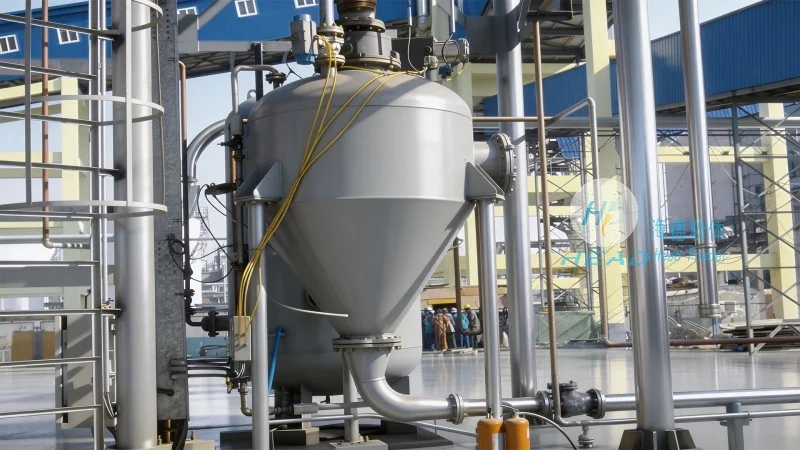
Maintenance and operational considerations are vital to the long-term performance and reliability of a dry sludge pneumatic conveying system. The design must include features that facilitate regular maintenance, such as easy access to components, removable sections of the conveying line, and clear indicators for pressure and flow. Regular maintenance, including cleaning of the dust collector, checking for wear on the blower or compressor, and inspecting the conveying line for blockages, is essential to prevent system failures and extend the equipment's lifespan. The system's operational parameters, such as air pressure and flow rate, must be monitored regularly to ensure they remain within optimal ranges. This may involve installing sensors and monitoring systems that provide real-time data on system performance. Proper training of operators and maintenance personnel is also crucial to ensure that the system is operated and maintained correctly. By incorporating maintenance and operational considerations into the design, engineers can create a system that is easy to maintain and operate, reducing downtime and increasing overall productivity.
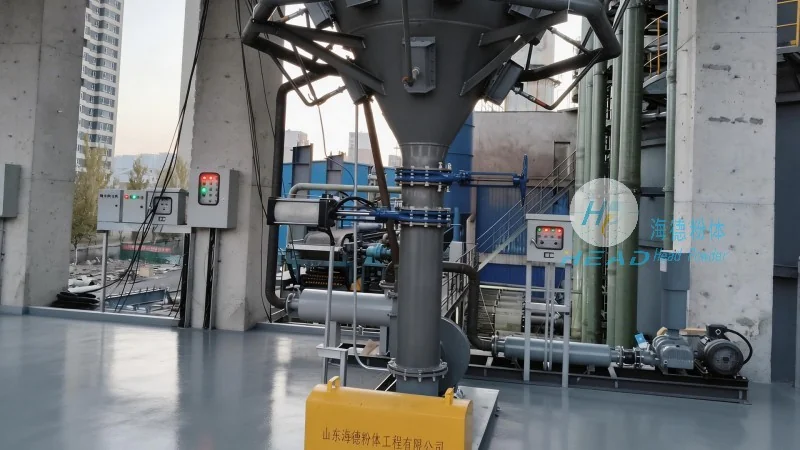
Shandong HeadPowder Engineering Co., Ltd. has successfully implemented numerous dry sludge pneumatic conveying systems for clients in various industries, including wastewater treatment and food processing. One notable project involved the design and installation of a system for a large municipal wastewater treatment plant in China. The system was tasked with conveying dry sludge from the dewatering unit to a storage silo, over a distance of approximately 200 meters with multiple bends and changes in elevation. The design team at HeadPowder carefully considered the specific properties of the sludge, including its moisture content and particle size, and selected a positive displacement blower with a variable frequency drive to optimize energy use. The system was equipped with an advanced dust collector to meet local air quality regulations and included features such as air cannons to prevent clogging. The system has been in operation for over five years, with minimal downtime and high efficiency, demonstrating the effectiveness of the design considerations outlined in this article.
In conclusion, the design of a dry sludge pneumatic conveying system requires careful consideration of multiple factors, including component selection, system efficiency, integration with existing infrastructure, energy efficiency, and maintenance. By addressing these considerations, engineers can create a system that is reliable, efficient, and cost-effective. The expertise of companies like Shandong HeadPowder Engineering Co., Ltd. is crucial in ensuring that these systems are designed and implemented correctly, meeting the specific needs of each client while adhering to industry standards and regulations. As the demand for efficient and sustainable waste management solutions continues to grow, the importance of well-designed dry sludge pneumatic conveying systems will only increase, making it essential for engineers and facility managers to prioritize thorough design and planning in their projects.

 Shandong Headpowder Engineering Co., Ltd.
 156-6277-7102(Manager Zhang)
  0531-83386006
  Zhangqiu District, Jinan City, Shandong Province, China
telephone
WeChatconsult
top