With more than 10‑year industry experience, Shandong Headpowder delivers full‑service pneumatic‑conveying systems and blowers, undertaking nationwide turn‑key powder‑handling projects.
Glass fiber powder, widely used in industries such as composites, insulation, and filtration, presents unique challenges when it comes to material handling. Traditional methods like bulk bag unloading or manual conveying can be inefficient, costly, and unsafe. Pneumatic conveying systems offer a solution by transporting these powders through a network of pipes using air pressure or vacuum. This approach not only enhances operational efficiency but also minimizes material loss and exposure to dust, making it a preferred choice for many manufacturers.
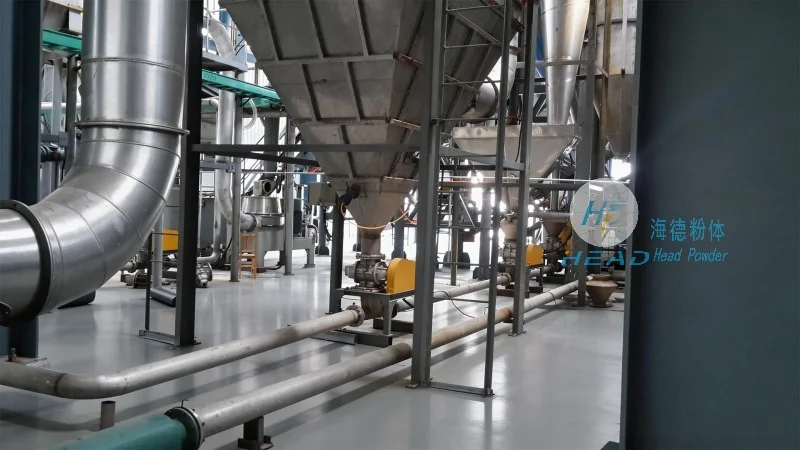
Designing an effective glass fiber powder pneumatic conveying system involves several critical factors. First, understanding the physical properties of the glass fiber powder is paramount. Parameters like particle size distribution, moisture content, and bulk density directly influence the system's performance. For instance, finer particles may require higher air velocities to prevent clogging, while higher moisture content can affect the material's flowability and cause corrosion in the system components.
Another crucial aspect is the system's layout and configuration. The choice between positive pressure, negative pressure, or a combination of both depends on the application's specific requirements. Positive pressure systems are ideal for long-distance conveying and multiple discharge points, as they can maintain consistent air pressure throughout the pipeline. Negative pressure systems, on the other hand, are better suited for short distances and applications where dust containment is a priority. The system's design must also account for the number of feeding points, discharge locations, and the overall distance between the source and destination.
The characteristics of glass fiber powder significantly affect the design and operation of pneumatic conveying systems. Particle size and shape are key determinants. Larger, irregularly shaped particles may cause abrasion on pipeline components, leading to increased wear and maintenance costs. Conversely, smaller particles can create higher friction losses and require more energy to transport. Understanding these material properties allows engineers to select the appropriate conveying velocity and system design to achieve optimal performance.
Additionally, the material's bulk density and flowability are essential considerations. A higher bulk density means more material can be conveyed per unit volume of air, improving system efficiency. However, if the powder is cohesive or has poor flowability, it may require additional equipment like vibrators or air knives to ensure smooth transport. Moisture content is another critical factor, as excess moisture can lead to clumping, which hinders material flow and may even cause blockages in the system.
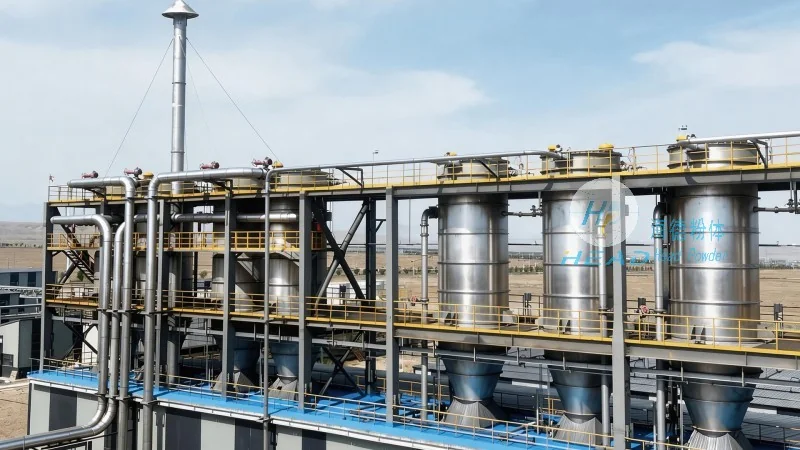
A pneumatic conveying system for glass fiber powder typically consists of several key components. The feed hopper is the starting point, where the powder is stored and fed into the system. It must be designed to handle the material's characteristics, such as preventing clogging and ensuring consistent feeding. The feeder, often a rotary valve or a screw feeder, controls the flow rate of the powder into the pipeline.
The pipeline itself is a critical component, as it must withstand the abrasive nature of glass fiber particles. Materials like stainless steel or special alloys are commonly used to prevent wear and corrosion. The pipeline layout, including bends and elbows, must be optimized to minimize pressure drops and prevent particle accumulation. Airlocks or rotary valves at discharge points help control the material's release and prevent backflow.
The air system, including the blower or vacuum pump, provides the necessary pressure or vacuum to move the powder. The choice of equipment depends on the system's capacity and the required conveying velocity. Filters and cyclones are essential for separating the powder from the air, ensuring that the material is delivered to the destination without contamination and that the air is cleaned before release.
Shandong HeadPowder Engineering Co., Ltd., a leading provider of material handling solutions, specializes in designing and manufacturing customized pneumatic conveying systems for glass fiber powder. With years of experience in the industry, HeadPowder understands the unique challenges associated with handling these materials and offers tailored solutions to meet specific client needs.
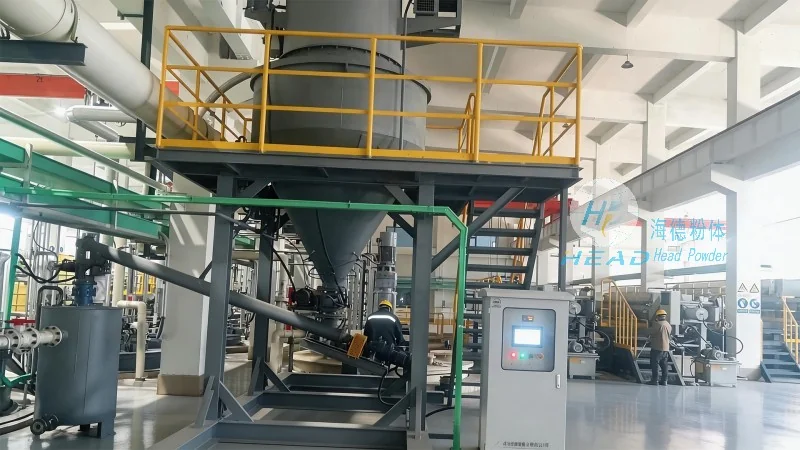
The company's team of engineers works closely with clients to assess their operational requirements, material characteristics, and space constraints. By leveraging advanced design software and simulation tools, HeadPowder can model different system configurations and predict performance outcomes before implementation. This approach ensures that the final system is optimized for efficiency, reliability, and cost-effectiveness.
HeadPowder's solutions are built to withstand the harsh conditions of glass fiber powder handling, with components designed to resist abrasion and corrosion. The company also provides comprehensive support, including installation, commissioning, and ongoing maintenance services, to ensure that the system operates at peak performance throughout its lifecycle.
Safety is a top priority when operating pneumatic conveying systems, especially with materials like glass fiber powder. These powders can be hazardous if inhaled, and the system must be designed to minimize dust exposure. Proper ventilation and dust collection systems are essential to maintain a safe working environment.
Compliance with industry regulations, such as those related to occupational health and safety and environmental protection, is also critical. HeadPowder ensures that its systems meet all relevant standards and regulations, providing clients with peace of mind and avoiding potential legal or operational issues.

 Shandong Headpowder Engineering Co., Ltd.
 156-6277-7102(Manager Zhang)
  0531-83386006
  Zhangqiu District, Jinan City, Shandong Province, China
telephone
WeChatconsult
top