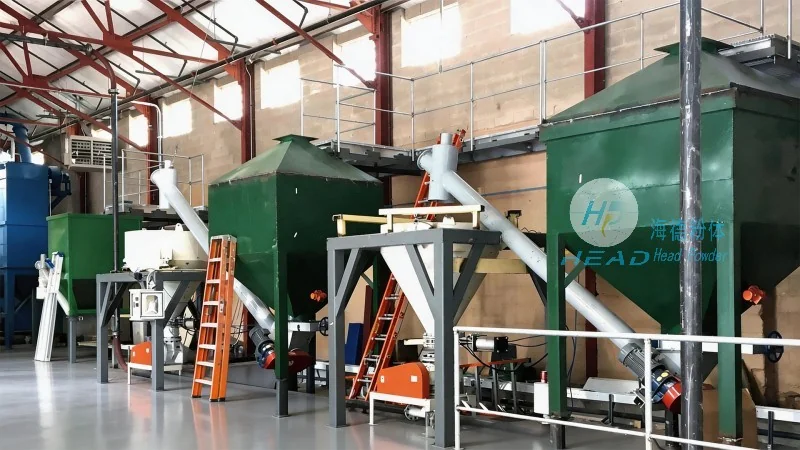
With more than 10‑year industry experience, Shandong Headpowder delivers full‑service pneumatic‑conveying systems and blowers, undertaking nationwide turn‑key powder‑handling projects.
In the realm of industrial material handling, the efficient and safe transport of powders and granules is a critical operational requirement. Potassium chloride, a vital compound used extensively in agriculture and chemical industries, presents unique challenges during transportation due to its physical properties. To address these challenges, a robust and reliable infrastructure is essential. This is where specialized engineering comes into play. As a leading provider in the field, Shandong Headpowder Engineering Co., Ltd. specializes in delivering high-performance systems designed to meet the rigorous demands of modern manufacturing and processing plants.
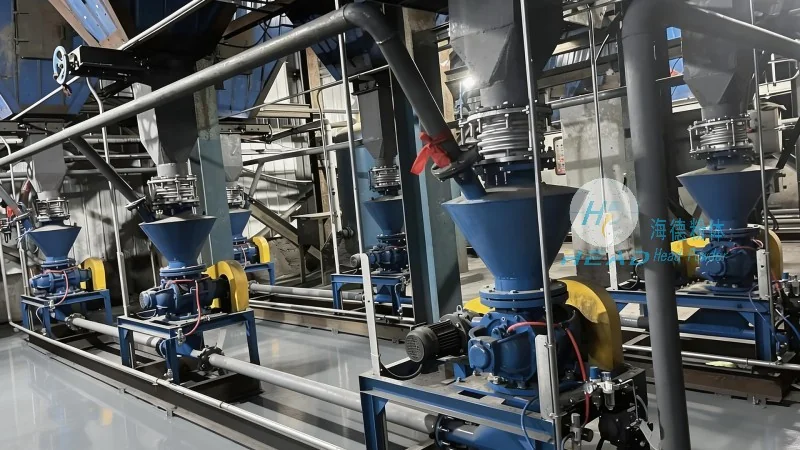
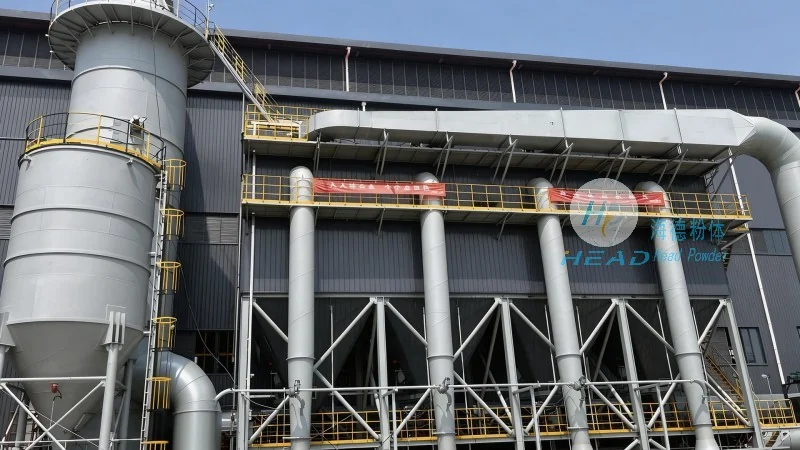
Pneumatic conveying technology has revolutionized the way bulk solids are moved from one point to another within a facility. Unlike traditional mechanical methods that rely on belts or screw conveyors, pneumatic systems utilize air pressure or vacuum to transport materials through pipelines. For the specific handling of potassium chloride, this method offers superior advantages. It eliminates the need for open hoppers, significantly reducing the risk of dust pollution and ensuring a cleaner working environment. Furthermore, the enclosed nature of the system prevents moisture ingress and cross-contamination, which are critical factors when handling hygroscopic or reactive chemical compounds.
Every facility has unique spatial constraints, production rates, and material characteristics. A one-size-fits-all approach rarely yields optimal results in complex industrial settings. This is why the focus on potassium chloride pneumatic conveying scheme customization is paramount. A generic system might fail to account for the specific flowability of the potassium chloride or the layout of the plant. Shandong Headpowder Engineering Co., Ltd. excels in analyzing the specific needs of each client to design a bespoke solution. Whether the requirement is to move material from a storage silo to a packaging line or to transfer it between different production units, a customized approach ensures maximum efficiency and minimal downtime.
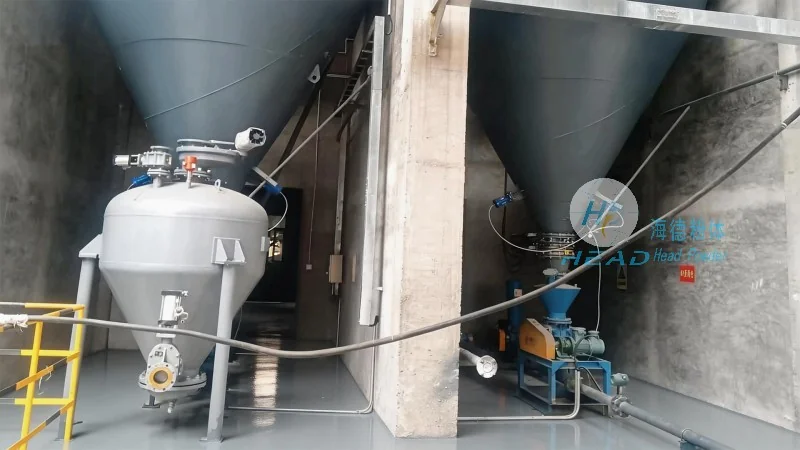
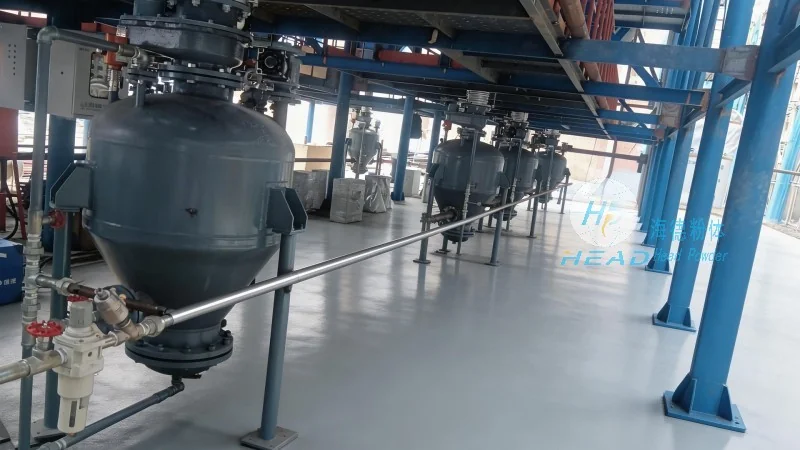
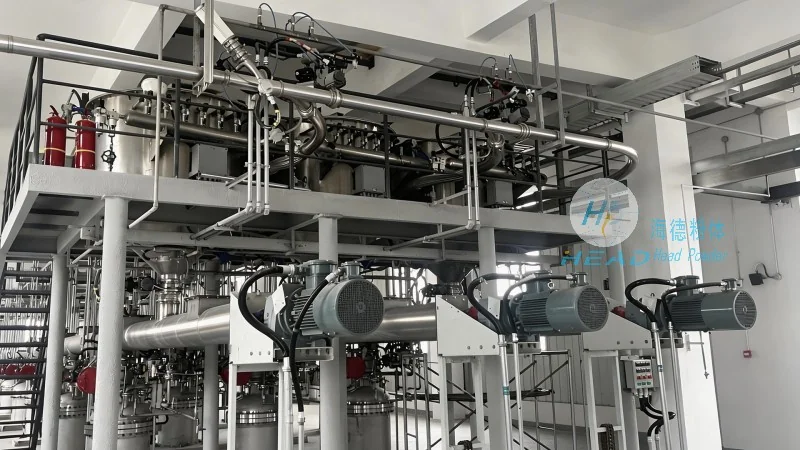
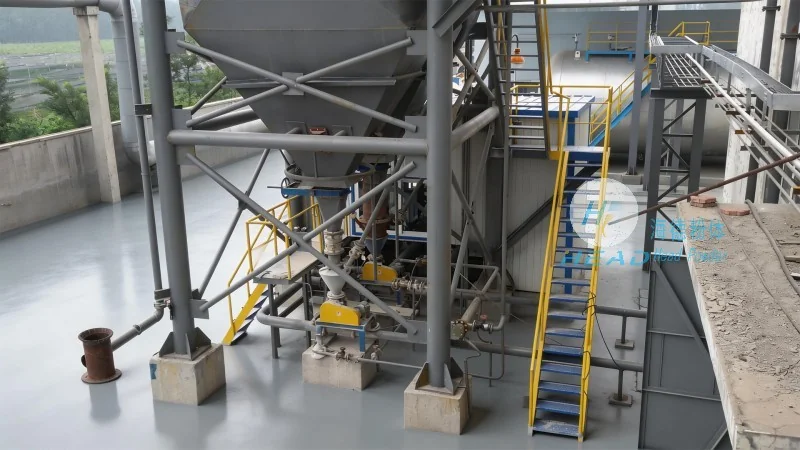
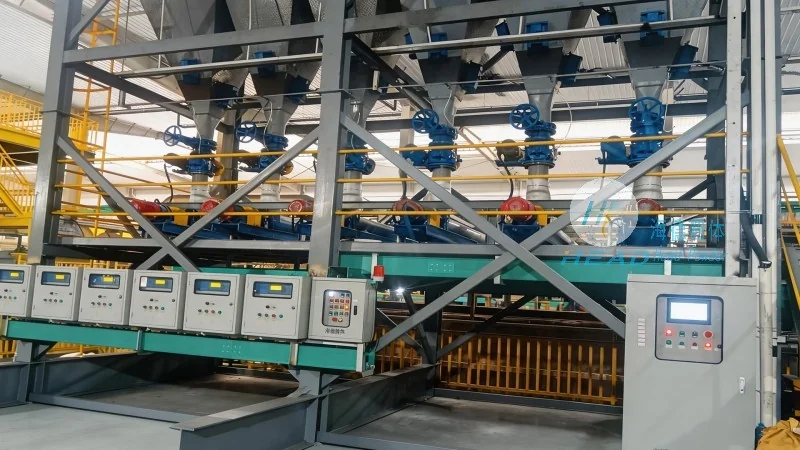
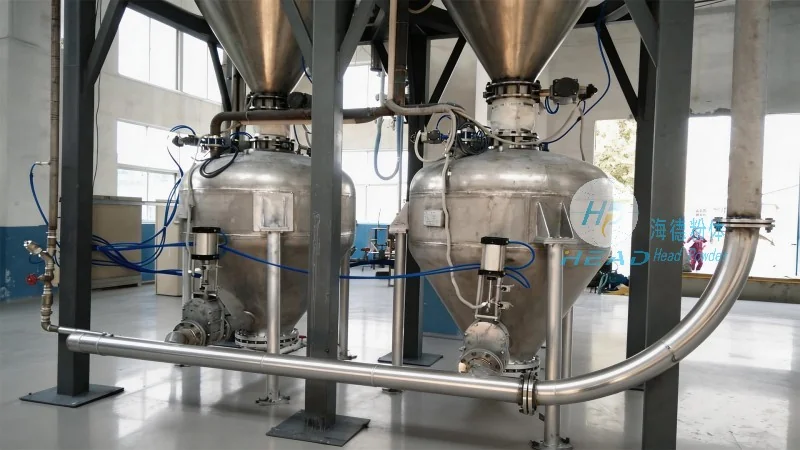
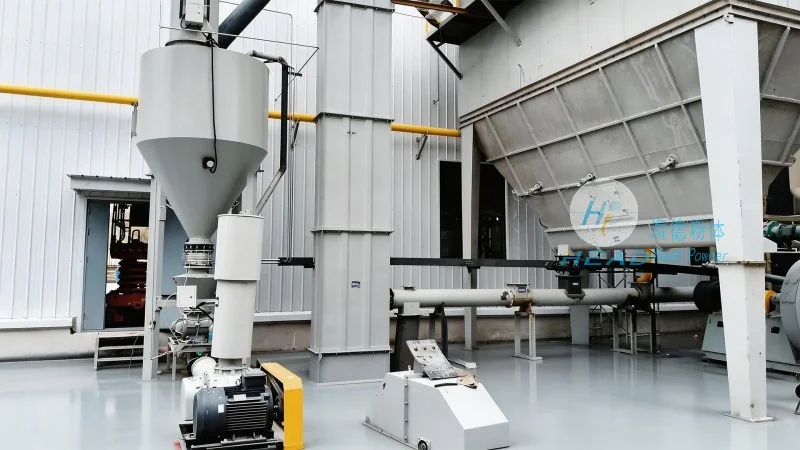
The efficacy of a potassium chloride conveying system relies heavily on the quality and precision of its components. A well-designed system typically includes a high-pressure blower or vacuum pump, a feeding device (such as a rotary valve or screw feeder), a conveying pipeline, and a receiving hopper with filtration systems. Shandong Headpowder Engineering Co., Ltd. utilizes state-of-the-art equipment to construct these systems. The pipelines are designed to minimize pressure drop, ensuring that the material flows smoothly without clogging. Additionally, the equipment is constructed from corrosion-resistant materials to withstand the chemical nature of potassium chloride, ensuring long-term durability and reliability.
Headquartered in Shandong, China, Shandong Headpowder Engineering Co., Ltd. has established itself as a premier manufacturer and engineering firm. The company combines deep technical expertise with practical manufacturing capabilities to serve clients both domestically and internationally. Their team of engineers possesses extensive knowledge in fluid dynamics and mechanical engineering, allowing them to tackle complex material handling problems with innovative solutions. By integrating advanced control systems with robust hardware, they ensure that their systems operate with high precision and energy efficiency.
Choosing the right partner for material handling is a strategic decision. Shandong Headpowder Engineering Co., Ltd. offers a comprehensive range of services, from initial feasibility studies and system design to installation and after-sales support. Their commitment to quality ensures that every system meets international safety and performance standards. By focusing on the specific nuances of potassium chloride transport, they provide a service that goes beyond simple transportation, offering a complete logistical solution that enhances operational productivity.
For businesses seeking to upgrade their material handling infrastructure or require a specialized potassium chloride pneumatic conveying scheme, direct consultation is recommended. The technical team at Shandong Headpowder Engineering Co., Ltd. is ready to provide detailed proposals tailored to your specific production needs. You may reach out to Zhang Manager for a comprehensive consultation. For immediate communication, please add Zhang Manager on WeChat at 15662777102 to discuss your requirements and explore how a customized pneumatic conveying system can benefit your operations.

 Shandong Headpowder Engineering Co., Ltd.
 156-6277-7102(Manager Zhang)
  0531-83386006
  Zhangqiu District, Jinan City, Shandong Province, China
telephone
WeChatconsult
top