With more than 10‑year industry experience, Shandong Headpowder delivers full‑service pneumatic‑conveying systems and blowers, undertaking nationwide turn‑key powder‑handling projects.
In the modern agricultural sector, the efficiency of production lines directly impacts the quality and timely delivery of essential nutrients to farmers. For manufacturers of chemical fertilizers, the transition from the production phase to the packaging or storage phase requires meticulous planning and robust infrastructure. One of the most critical aspects of this infrastructure is the material handling system. Traditional mechanical conveying methods, such as belts or screws, often struggle with the specific challenges posed by granular fertilizers, including dust generation, material degradation, and cross-contamination. To address these challenges, advanced technologies have been adopted to streamline operations. As a leading **compound fertilizer granule pneumatic conveying manufacturer**, Shandong Headpowder Engineering Co., Ltd. specializes in providing state-of-the-art solutions that ensure the safe, clean, and continuous movement of bulk materials throughout the facility.
Compound fertilizers are chemically reactive and can be abrasive, making them difficult to transport using standard equipment. Dust is not only a safety hazard but can also lead to significant product loss and environmental compliance issues. Pneumatic conveying systems utilize air pressure to move materials through enclosed pipelines, eliminating the need for open chutes and reducing the risk of dust explosions. This method is particularly favored in the fertilizer industry because it maintains the integrity of the granules, ensuring they arrive at their destination in the same condition they left the production unit. By choosing a dedicated **compound fertilizer granule pneumatic conveying manufacturer**, companies ensure that the system is designed with the specific chemical and physical properties of their product in mind.
Every fertilizer plant has a unique layout, production capacity, and logistical requirement. Therefore, a "one-size-fits-all" approach is rarely effective. This is where the expertise of a specialized engineering firm becomes invaluable. We focus on developing a bespoke **compound fertilizer granule pneumatic conveying scheme** tailored to the specific needs of our clients. Our engineering team conducts thorough site surveys to understand the flow of materials, the available space, and the specific output targets of the plant. Whether the requirement is to move materials from a rotary drum granulator to a packaging line or to transfer bulk stock between storage silos, our customized solutions are designed to optimize the workflow. By customizing the pressure levels, pipe diameters, and valve configurations, we ensure that the system operates at peak efficiency, minimizing energy consumption while maximizing throughput.
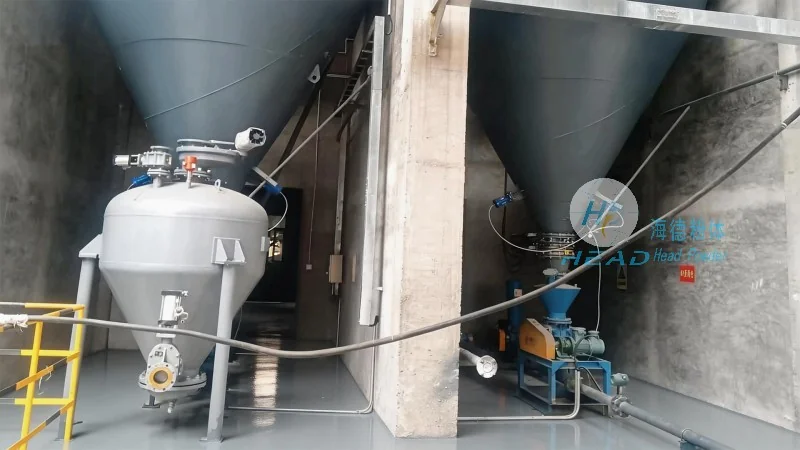
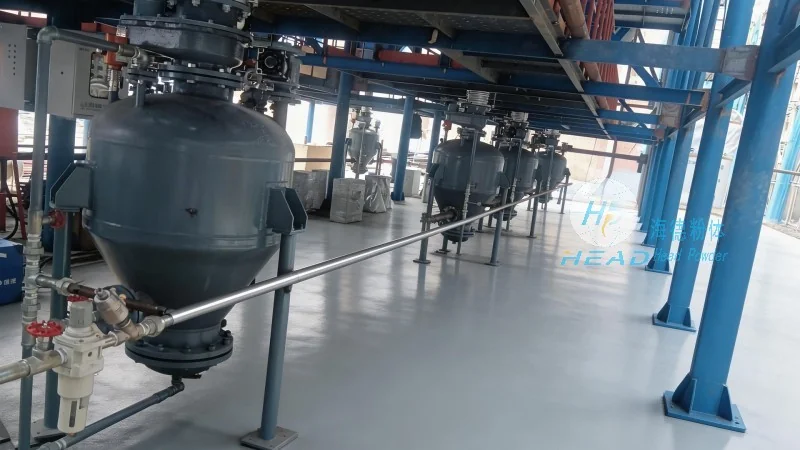
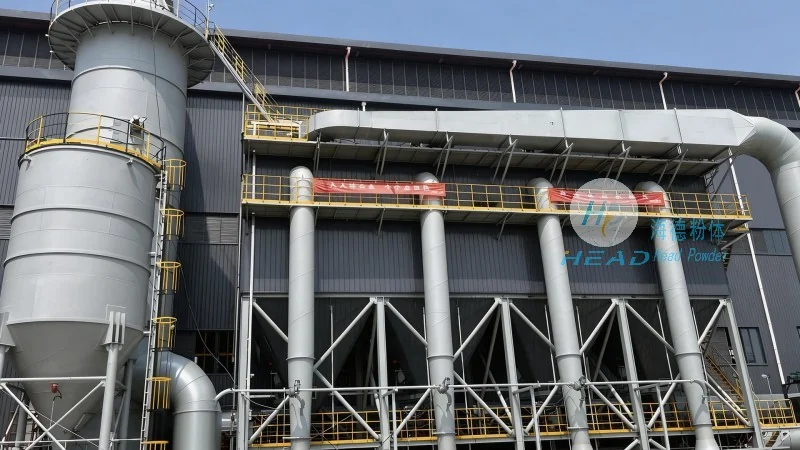
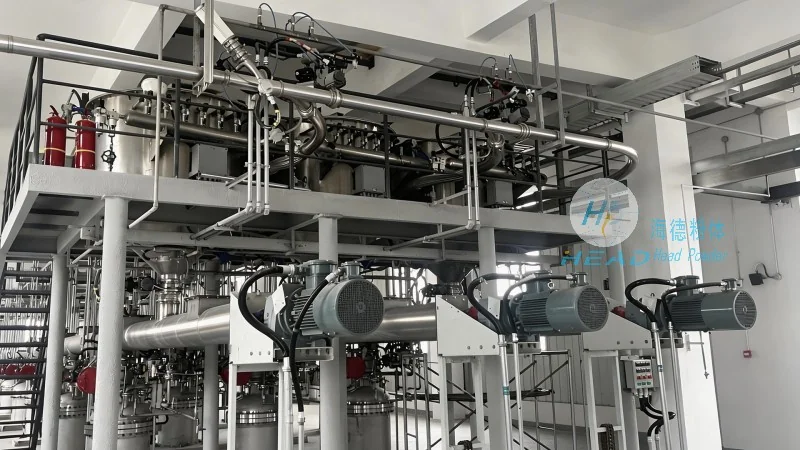
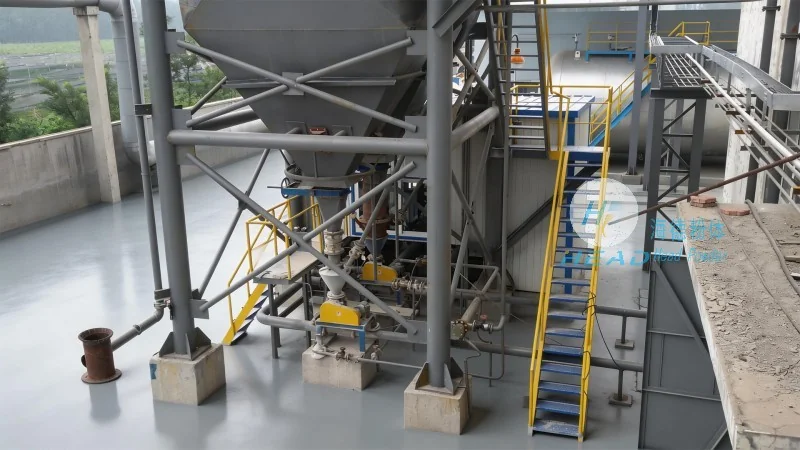
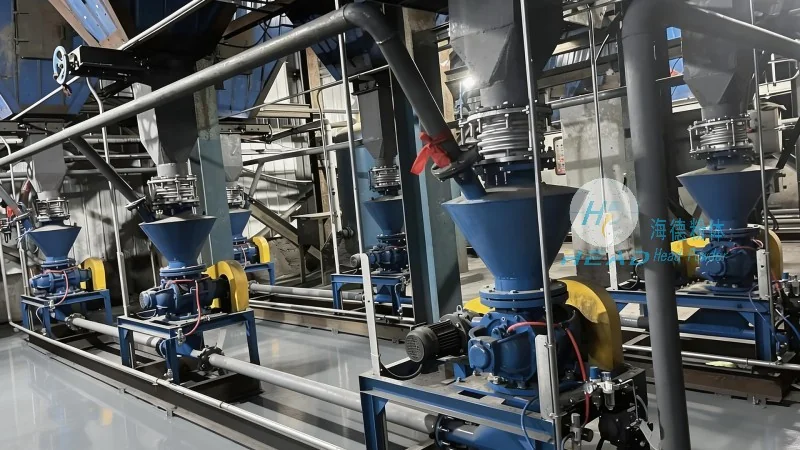
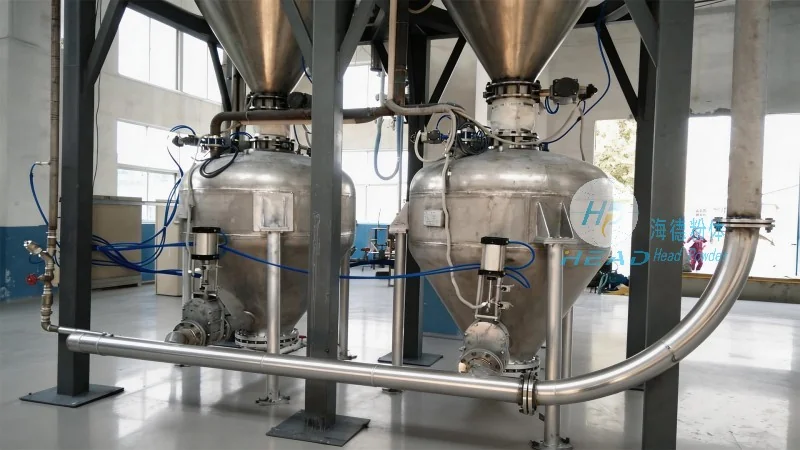
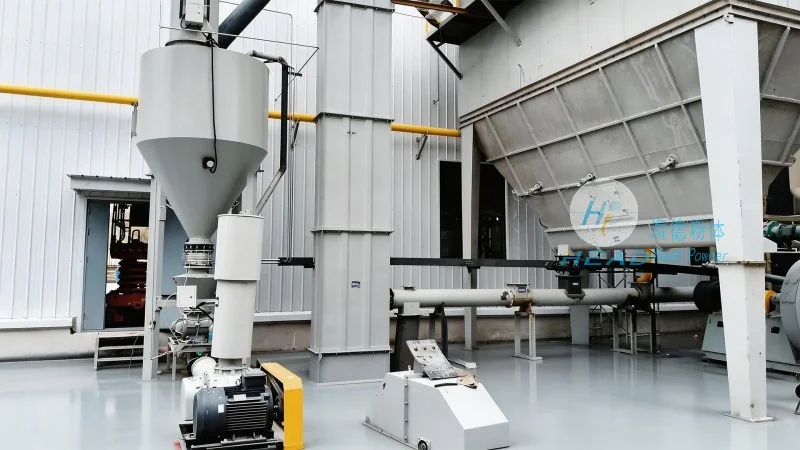
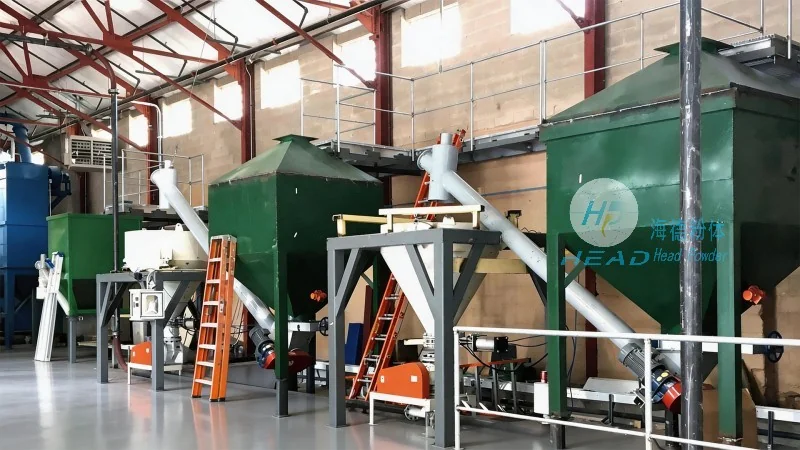
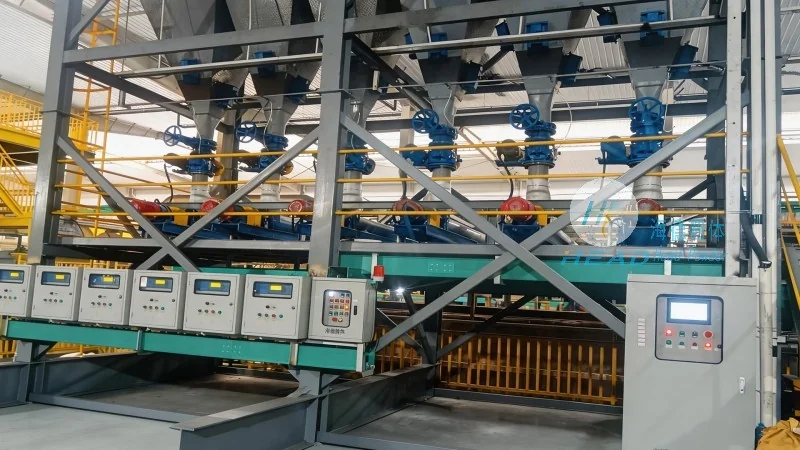
A robust **compound fertilizer granule conveying system** is comprised of several high-performance components working in harmony. At Shandong Headpowder Engineering Co., Ltd., we utilize cutting-edge technology to build these systems. The core of the system typically includes high-pressure blowers or vacuum pumps capable of handling the specific density of fertilizer granules. We incorporate specialized valves, such as double-acting ball valves or rotary valves, which ensure precise metering and prevent backflow. Additionally, our systems are equipped with advanced filtration units, including pulse-jet bag filters, to capture any fine dust particles, ensuring a clean working environment. The control panels are designed for user-friendliness, allowing operators to monitor pressure, flow rates, and system status in real-time, thereby reducing maintenance downtime and operational costs.
Implementing a professional pneumatic conveying solution offers numerous advantages beyond just dust control. The enclosed nature of the system protects the fertilizer from moisture and external contaminants, which is crucial for preserving the quality of the product. Furthermore, the space-saving design of pneumatic systems allows for more flexible plant layout planning, as pipelines can be run through ceilings or walls rather than taking up valuable floor space. From an operational perspective, these systems are highly reliable and require less maintenance compared to mechanical conveyors. As a trusted **compound fertilizer granule pneumatic conveying manufacturer**, Shandong Headpowder Engineering Co., Ltd. guarantees that every system we deliver is built to last, backed by rigorous quality control and technical support.
Choosing the right partner for your material handling needs is a critical decision that affects the long-term productivity of your facility. Shandong Headpowder Engineering Co., Ltd. is committed to excellence in engineering and customer service. Located in China Shandong, we leverage our local expertise and global reach to serve clients worldwide. Our team of engineers and technicians works closely with clients from the initial consultation phase through to installation and after-sales support. We pride ourselves on our ability to deliver turnkey projects that integrate seamlessly with existing production lines. If you are looking for a reliable solution to enhance your fertilizer production logistics, we invite you to contact us. For detailed discussions regarding your specific requirements, please reach out to **Zhang Manager**. You can also connect with us via WeChat at 15662777102 to discuss your project and explore how our customized solutions can benefit your operations.

 Shandong Headpowder Engineering Co., Ltd.
 156-6277-7102(Manager Zhang)
  0531-83386006
  Zhangqiu District, Jinan City, Shandong Province, China
telephone
WeChatconsult
top