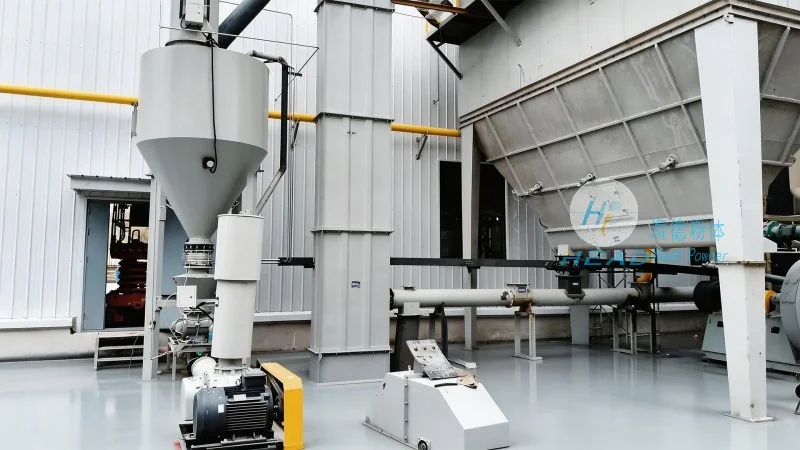
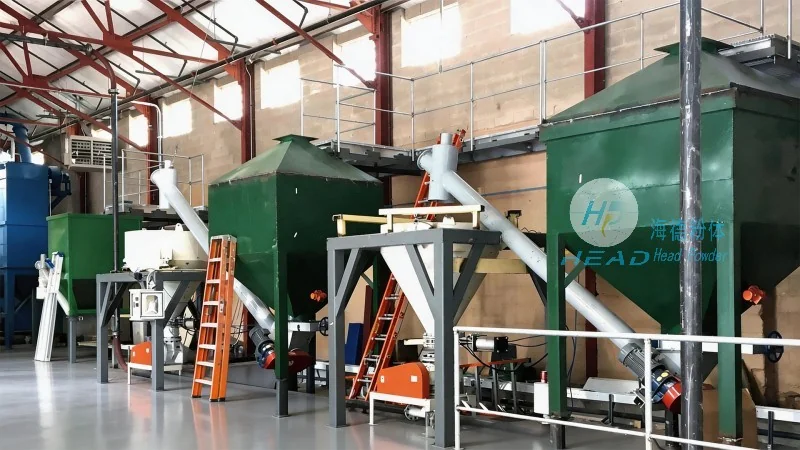
With more than 10‑year industry experience, Shandong Headpowder delivers full‑service pneumatic‑conveying systems and blowers, undertaking nationwide turn‑key powder‑handling projects.
Carbon black is a crucial material used extensively in the rubber, plastic, and ink industries. However, due to its extremely fine particle size and high surface area, handling carbon black presents significant engineering challenges. The material is prone to dust generation, which poses serious health risks to workers and can cause equipment blockages if not managed correctly. To address these issues, industries rely on advanced automation technologies. One of the most effective methods for moving this material is through pneumatic conveying. This process uses air pressure to transport the powder through pipelines, ensuring a clean and controlled environment. Among the various providers in the market, Shandong Headpowder Engineering Co., Ltd. stands out as a premier specialist in this field.
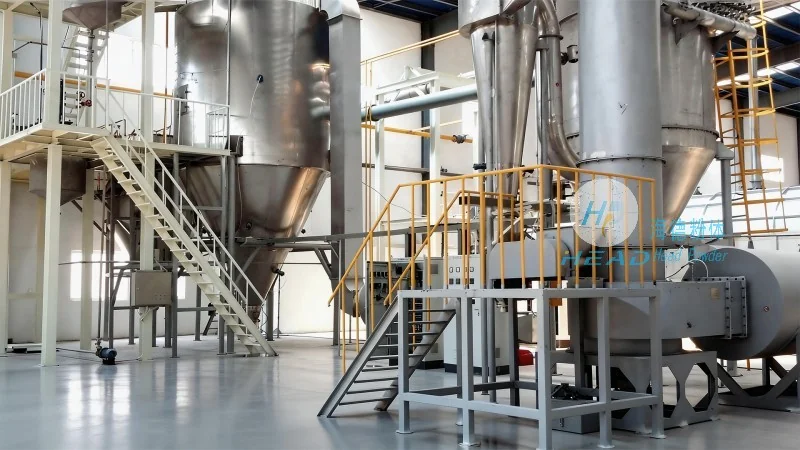
When selecting a partner for industrial material handling, the capabilities of the manufacturer are paramount. Shandong Headpowder Engineering Co., Ltd. is a distinguished **carbon black pneumatic conveying manufacturer** dedicated to the research, development, and production of specialized machinery. Unlike generic suppliers, a specialized manufacturer possesses the technical depth required to understand the unique physical properties of carbon black. This expertise allows the company to design equipment that withstands the abrasive nature of the material while maintaining high efficiency. The manufacturing process involves rigorous quality control, ensuring that every valve, hopper, and pipe is built to last in harsh industrial environments. By focusing exclusively on this niche, the company has refined its production techniques to offer superior durability and performance.
No two industrial facilities are identical, and a "one-size-fits-all" approach rarely works in complex chemical processing. Therefore, the company prides itself on offering highly customized **carbon black pneumatic conveying solutions**. These solutions are meticulously planned to address the specific layout, distance, and throughput requirements of the client's plant. Engineers at Shandong Headpowder Engineering Co., Ltd. conduct thorough site assessments to determine the optimal configuration. Whether the requirement involves vertical lifting over long distances or horizontal transfer across multiple floors, the engineering team develops a bespoke strategy. This includes selecting the appropriate conveying mode, such as dilute phase or dense phase, to minimize product degradation and energy consumption. The goal is to create a seamless integration between the existing production line and the new material handling system.
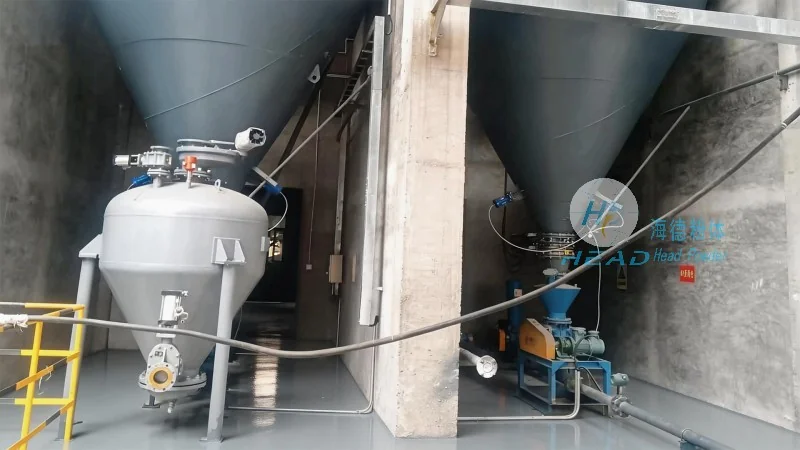
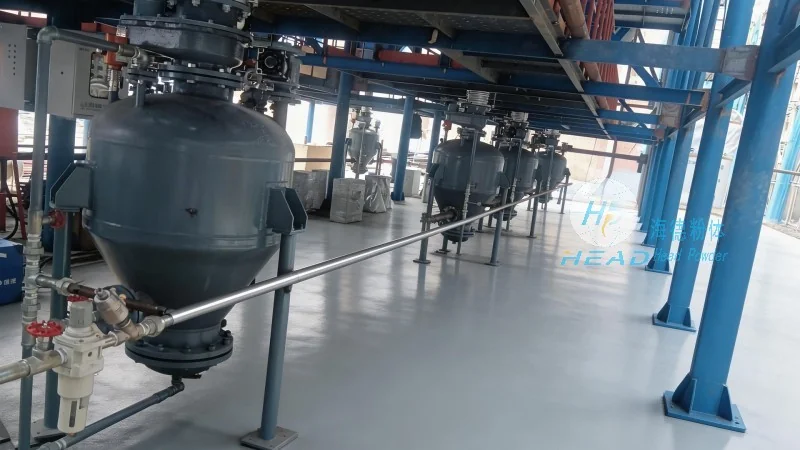
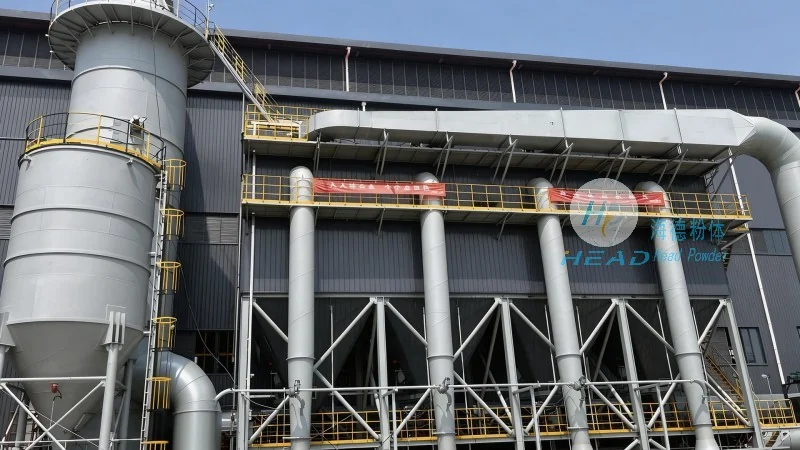
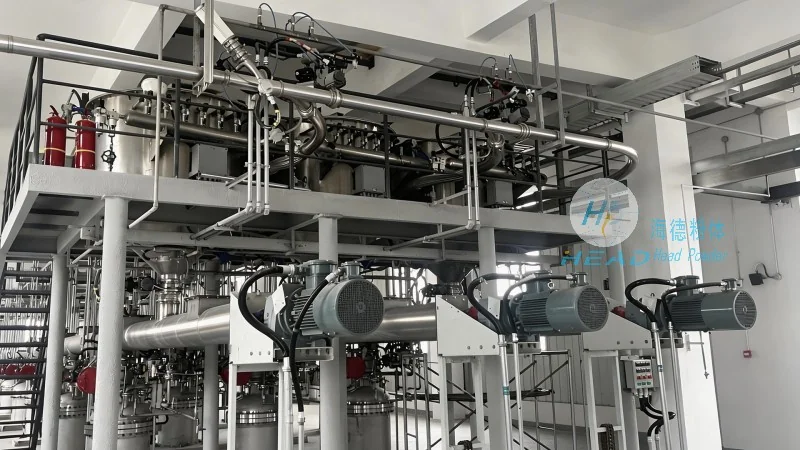
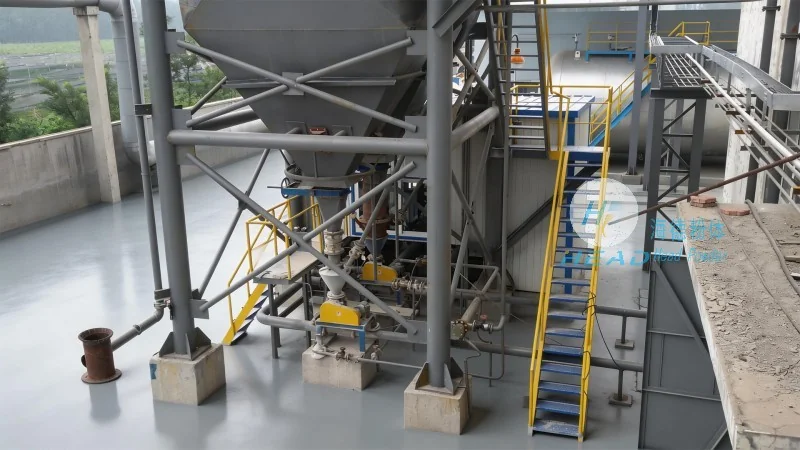
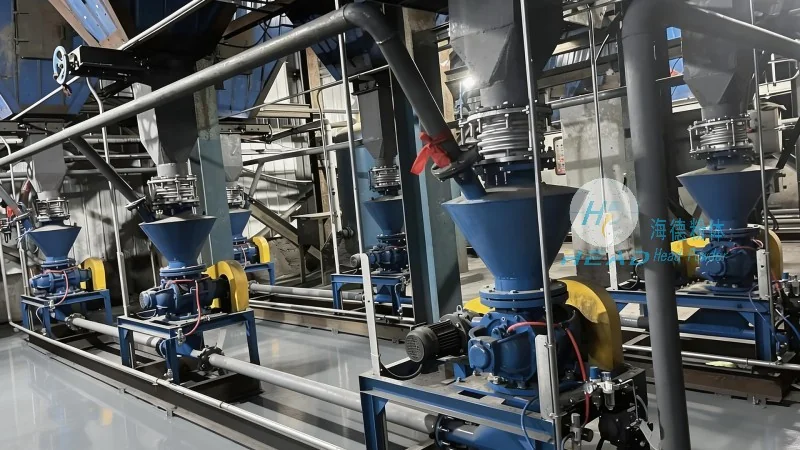
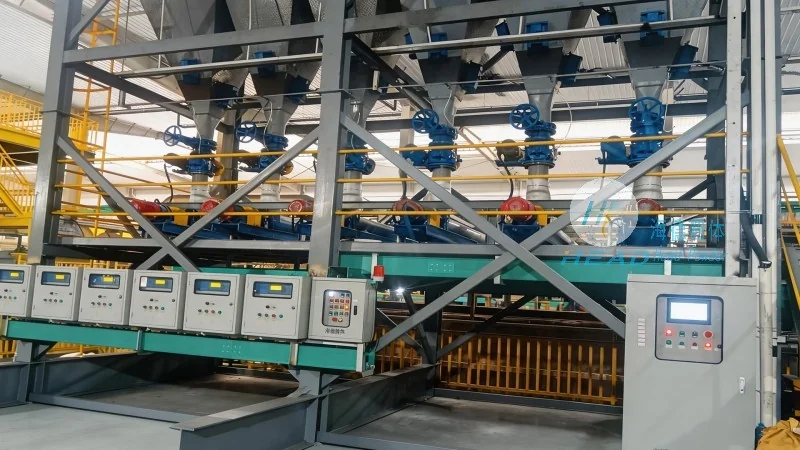
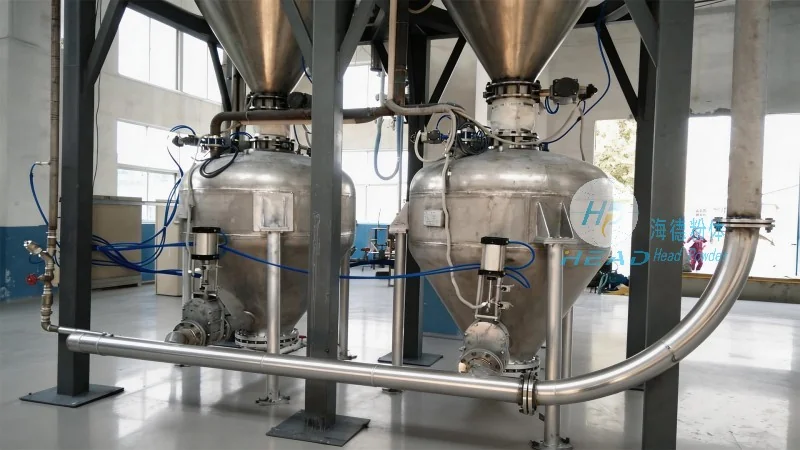
A complete **carbon black conveying system** is a complex assembly of mechanical and electrical components working in unison. Shandong Headpowder Engineering Co., Ltd. designs these systems to be robust, safe, and environmentally friendly. The core components typically include high-capacity storage silos, which are designed with special liners to prevent material arching and ensure consistent flow. The pneumatic conveying lines are constructed from wear-resistant materials to withstand the abrasive impact of carbon black particles. Additionally, the system incorporates advanced filtration units to capture fine dust, ensuring compliance with environmental regulations. The control panel is equipped with state-of-the-art PLC systems that allow for automated operation, monitoring pressure differentials, and adjusting flow rates in real-time. This comprehensive approach ensures that the entire transfer process is smooth, reliable, and efficient.
Located in Shandong, China, the company serves a global clientele with a reputation for technical excellence and customer service. The team consists of experienced engineers who understand the nuances of powder engineering. By choosing this manufacturer, clients gain access to not only high-quality hardware but also comprehensive technical support. From the initial design phase to installation and after-sales maintenance, the company provides end-to-end service. This commitment to quality has established the company as a trusted partner in the industry. The equipment produced is known for its low maintenance requirements and high uptime, which is critical for continuous manufacturing operations.
For businesses looking to upgrade their material handling capabilities, Shandong Headpowder Engineering Co., Ltd. is ready to provide expert consultation. To discuss specific project requirements or to request a detailed quote, please contact Zhang Manager. You may reach out via WeChat at 15662777102. The team is available to provide detailed specifications and demonstrate how their advanced **carbon black pneumatic conveying solutions** can optimize your production processes. Ensuring efficient and dust-free handling of carbon black is just a conversation away.

 Shandong Headpowder Engineering Co., Ltd.
 156-6277-7102(Manager Zhang)
  0531-83386006
  Zhangqiu District, Jinan City, Shandong Province, China
telephone
WeChatconsult
top