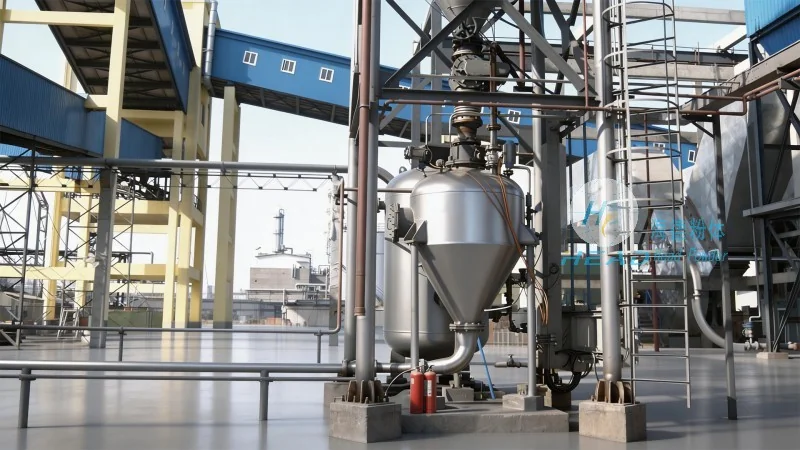
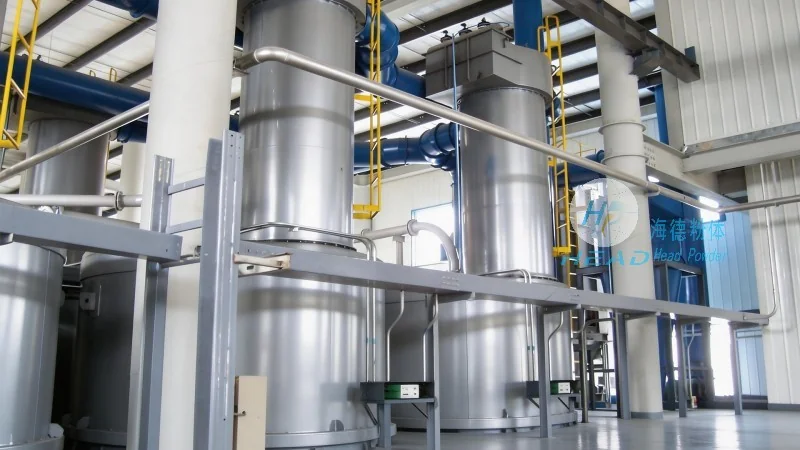
With more than 10‑year industry experience, Shandong Headpowder delivers full‑service pneumatic‑conveying systems and blowers, undertaking nationwide turn‑key powder‑handling projects.
In the realm of industrial chemical handling, the management of ammonia alongside solid powders presents a unique set of challenges and technical requirements. Ammonia, while essential in various manufacturing and agricultural applications, is highly volatile and requires strict containment protocols. When combined with solid powders, the logistics of transferring these materials safely and efficiently becomes even more complex. This necessitates a robust and specialized approach to material handling. A professional **ammonia-suitable solid powder pneumatic conveying manufacturer** understands that a one-size-fits-all solution is rarely effective. Instead, the industry demands precision engineering tailored to specific operational environments.
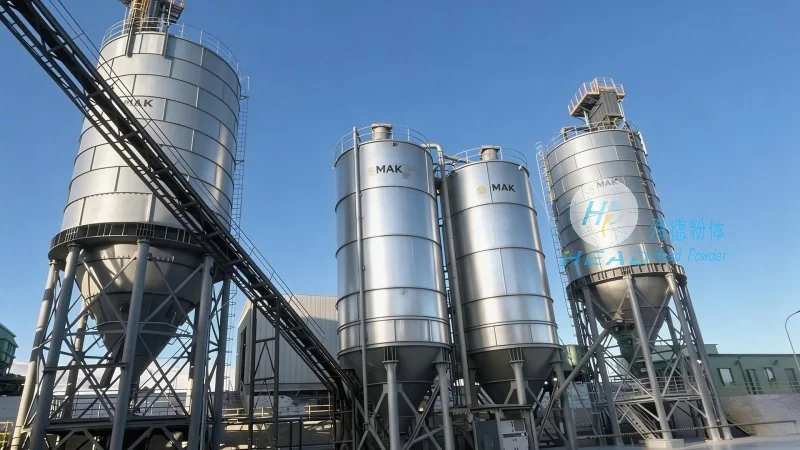
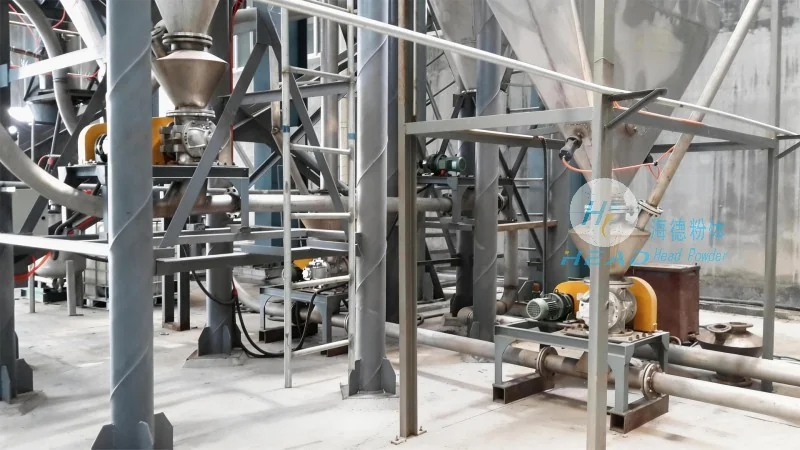
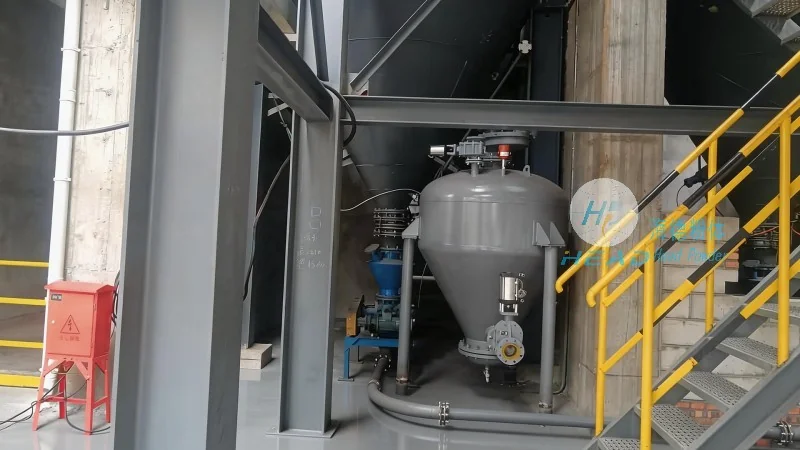
The integration of solid powders into ammonia systems is critical for processes such as fertilizer production, chemical synthesis, and industrial cleaning. However, traditional mechanical conveying methods often fall short due to the corrosive nature of ammonia and the potential for dust explosions or material degradation. This is where advanced pneumatic conveying technology steps in. By utilizing air pressure to transport materials through sealed pipelines, a high-quality **ammonia-suitable solid powder pneumatic conveying solution** eliminates the risks associated with open handling. It ensures that the ammonia remains sealed within the system while the solid powder is transported with minimal friction and wear.
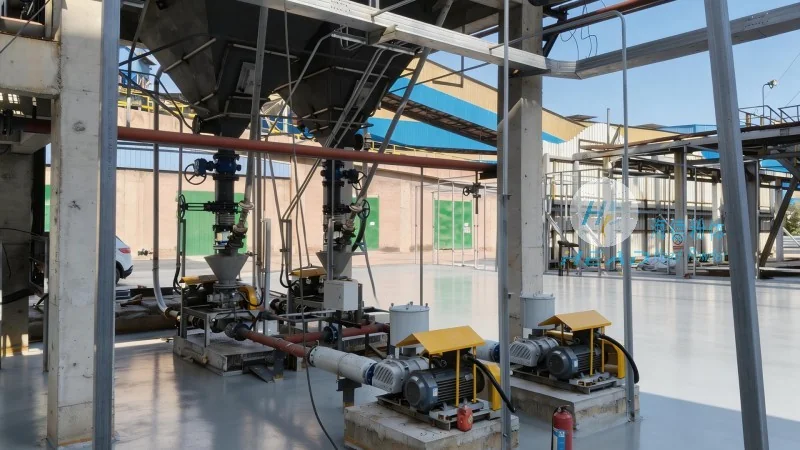
Every industrial facility has unique constraints, including limited floor space, specific pipeline routing, and varying material densities. A generic system may fail to account for these variables, leading to operational inefficiencies or safety hazards. Therefore, a custom **ammonia-suitable solid powder pneumatic conveying plan** is indispensable. This involves a detailed analysis of the facility's layout and the physical properties of the powders being handled. Engineers must determine whether a positive pressure or negative pressure system is best suited for the application to ensure continuous and stable material flow.
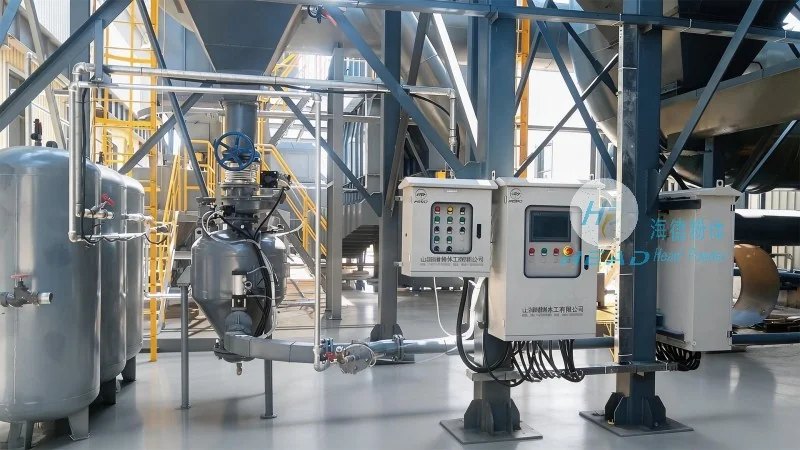
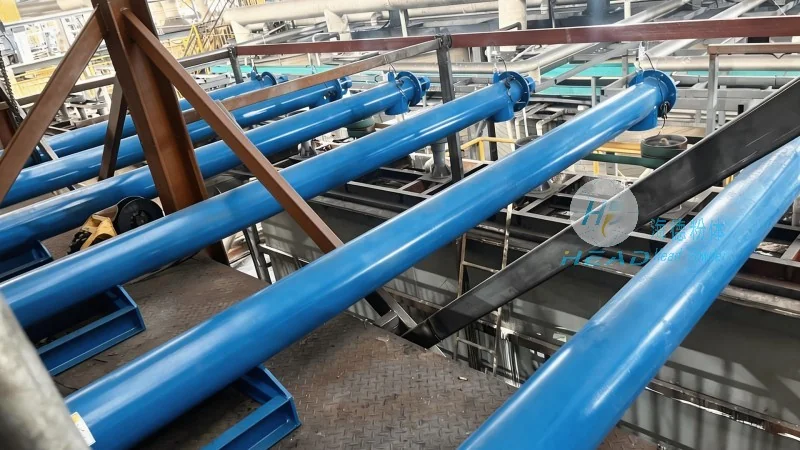
Customization also extends to the selection of materials. Since ammonia is corrosive, standard steel pipelines may deteriorate quickly. A superior **ammonia-suitable solid powder pneumatic conveying system** utilizes high-grade alloys, polymers, or specialized linings that resist chemical attack. Furthermore, the control systems must be sophisticated enough to monitor pressure differentials and flow rates in real-time, preventing blockages or over-pressurization. By investing in a bespoke plan, facility managers can maximize throughput while maintaining the highest safety standards.
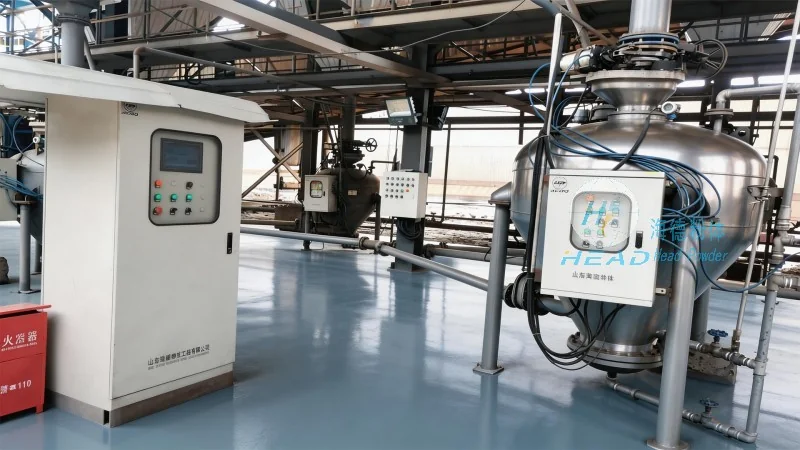
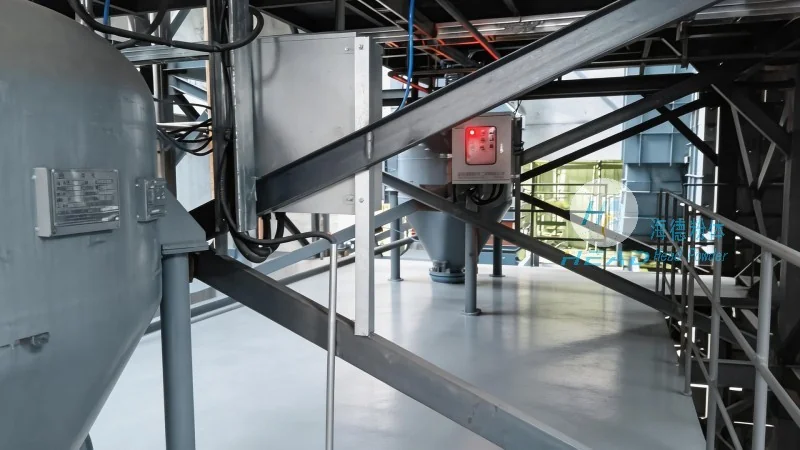
A state-of-the-art **ammonia-suitable solid powder pneumatic conveying system** is designed with several key features that distinguish it from conventional transport methods. The primary advantage is the complete elimination of exposure to the environment. Because the system is fully enclosed, there is zero risk of ammonia leakage into the atmosphere, which is crucial for environmental compliance and worker safety. This sealed environment also prevents moisture ingress, which can be detrimental to certain chemical powders.
Another critical feature is the energy efficiency of the system. Modern pneumatic conveying technology has evolved to optimize air usage, reducing the power consumption required to move materials over long distances. The system effectively handles a wide range of particle sizes and flow properties, ensuring that even fine or cohesive powders are transported smoothly without bridging or rat-holing. This reliability ensures that production lines remain uninterrupted, contributing to higher overall productivity for the facility.
When seeking a reliable partner for these complex projects, it is essential to choose a company with proven expertise and a strong local presence. Shandong Headpowder Engineering Co., Ltd. has established itself as a premier **ammonia-suitable solid powder pneumatic conveying manufacturer**. Located in Shandong, China, a region known for its robust engineering and manufacturing capabilities, the company combines technical innovation with practical application. Their dedication to quality control and customer service ensures that every system they deliver meets rigorous international standards.
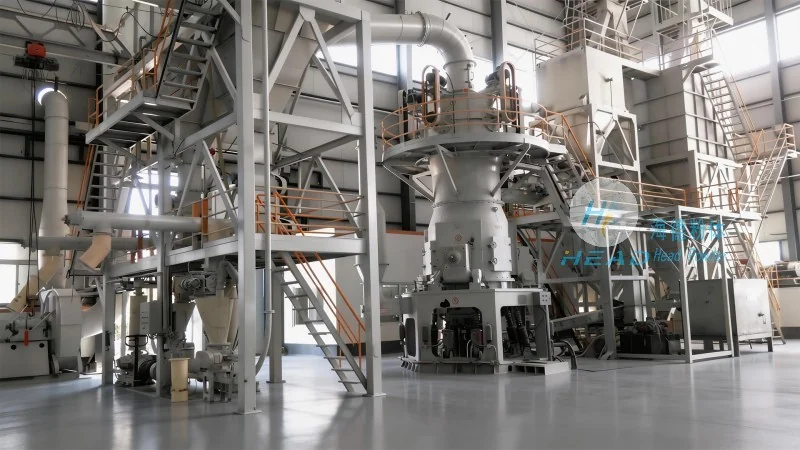
The company’s portfolio is extensive, covering everything from small-scale laboratory setups to large industrial plants. Their team of engineers possesses deep knowledge of fluid dynamics and chemical engineering, allowing them to design systems that are not only efficient but also durable. Whether the requirement is for a simple dosing system or a complex multi-point distribution network, Shandong Headpowder Engineering Co., Ltd. provides the expertise needed to execute the project flawlessly.
The versatility of the **ammonia-suitable solid powder pneumatic conveying system** makes it applicable in a wide variety of industries. In the agricultural sector, it is used to transport urea or other fertilizers mixed with ammonia solutions. In the chemical industry, it facilitates the transfer of catalysts and additives into reaction vessels. The technical expertise required to design these systems involves understanding the specific chemical reactivity between the ammonia and the solid material, ensuring that the transport process does not alter the material's properties.
Furthermore, the design process involves rigorous safety assessments. The systems are equipped with emergency shut-off valves, pressure relief mechanisms, and leak detection sensors. This proactive approach to safety minimizes the risk of accidents and ensures compliance with strict industrial regulations. By prioritizing safety and efficiency, Shandong Headpowder Engineering Co., Ltd. helps clients achieve their operational goals with confidence.
Investing in a pneumatic conveying system is a long-term decision that requires ongoing support. Shandong Headpowder Engineering Co., Ltd. goes beyond the initial installation by offering comprehensive after-sales service and maintenance support. They understand that even the most advanced machinery may require occasional adjustments or troubleshooting. Their technical support team is readily available to assist with system diagnostics, ensuring that any issues are resolved quickly to minimize downtime.
The company’s commitment to innovation means that they are constantly updating their designs to incorporate the latest technological advancements. From smart sensors that monitor material composition to automated control panels that optimize flow rates, Shandong Headpowder Engineering Co., Ltd. ensures that their clients remain at the forefront of industrial efficiency. This forward-thinking approach is a cornerstone of their reputation as a trusted industry partner.
For industrial plant managers and engineering directors looking to upgrade their material handling infrastructure, consulting with an expert is the first step toward operational excellence. If you are in need of a reliable **ammonia-suitable solid powder pneumatic conveying manufacturer** or require a detailed **ammonia-suitable solid powder pneumatic conveying plan**, Shandong Headpowder Engineering Co., Ltd. is ready to assist you. Their team is dedicated to providing customized solutions that address your specific challenges.
To discuss your project requirements or to request a consultation, please contact Zhang Manager directly. He can be reached via WeChat at 15662777102. By engaging with Shandong Headpowder Engineering Co., Ltd., you ensure that your facility benefits from a cutting-edge **ammonia-suitable solid powder pneumatic conveying system** that is safe, efficient, and built to last. Do not hesitate to reach out and take the first step toward optimizing your production processes today.

 Shandong Headpowder Engineering Co., Ltd.
 156-6277-7102(Manager Zhang)
  0531-83386006
  Zhangqiu District, Jinan City, Shandong Province, China
telephone
WeChatconsult
top