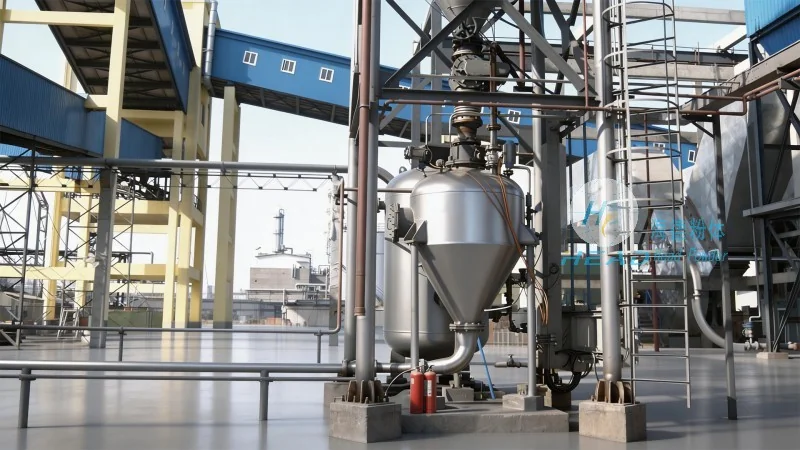
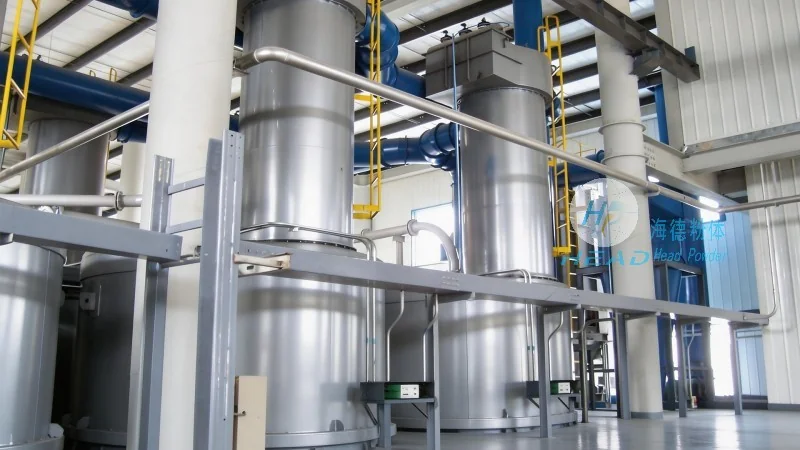
With more than 10‑year industry experience, Shandong Headpowder delivers full‑service pneumatic‑conveying systems and blowers, undertaking nationwide turn‑key powder‑handling projects.
In the realm of industrial material handling, the transportation of activated carbon presents unique challenges that require specialized engineering solutions. Activated carbon is a highly versatile material used extensively in water purification, air filtration, and chemical processing. However, its physical properties—such as high friability and potential for dust explosion—make it difficult to transport using conventional methods. This necessitates the implementation of robust and precise systems designed to handle these specific needs. When seeking a reliable partner for these critical operations, it is essential to consider a provider that specializes in advanced material handling technologies. Shandong Headpowder Engineering Co., Ltd. stands as a premier entity in this field, offering comprehensive expertise in the design and implementation of efficient material transport systems.
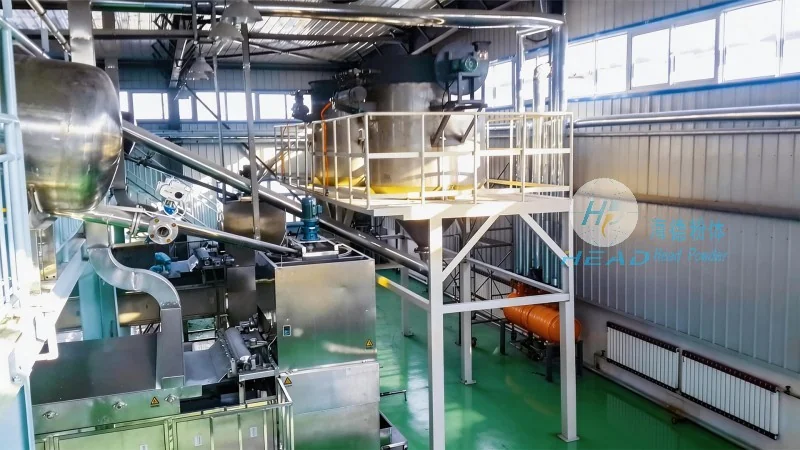
Transporting activated carbon is not as straightforward as moving other granular materials. One of the primary concerns is the generation of dust. Fine carbon particles can become airborne during transfer, leading to environmental hazards, equipment clogging, and potential health risks for operators. Furthermore, activated carbon is combustible. Under certain conditions, dust clouds can ignite, leading to dangerous explosions. Traditional methods, such as manual scooping or using open conveyors, exacerbate these risks. Therefore, industries require a closed-loop system that minimizes exposure to air and prevents dust leakage. The need for a safe, clean, and continuous process drives the demand for advanced pneumatic conveying technologies.
Pneumatic conveying is the preferred method for transporting activated carbon because it utilizes air pressure to move the material through a pipeline from a source point to a destination point. This method offers a sealed environment, effectively eliminating dust emissions and ensuring operator safety. In a typical setup, the activated carbon is loaded into a feeding device, and air is introduced to fluidize the material. The air stream then carries the carbon through a network of pipes to the desired location. This technology is highly efficient and can transport materials over long distances with minimal degradation of the product. For facilities looking to upgrade their logistics, an effective activated carbon pneumatic conveying solution is indispensable.
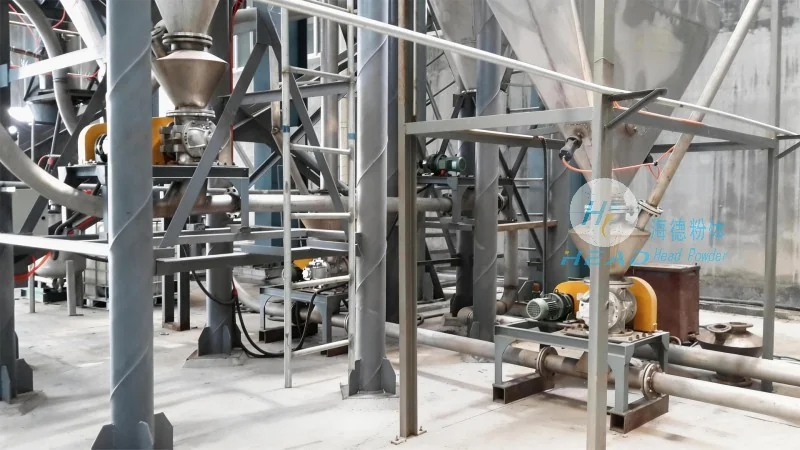
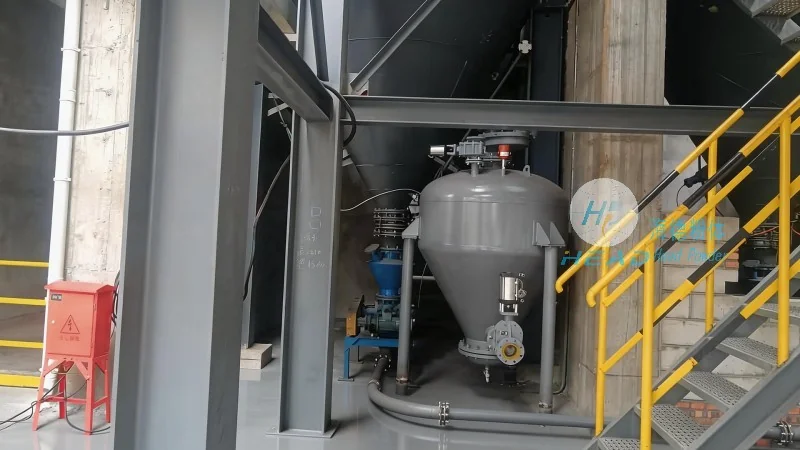
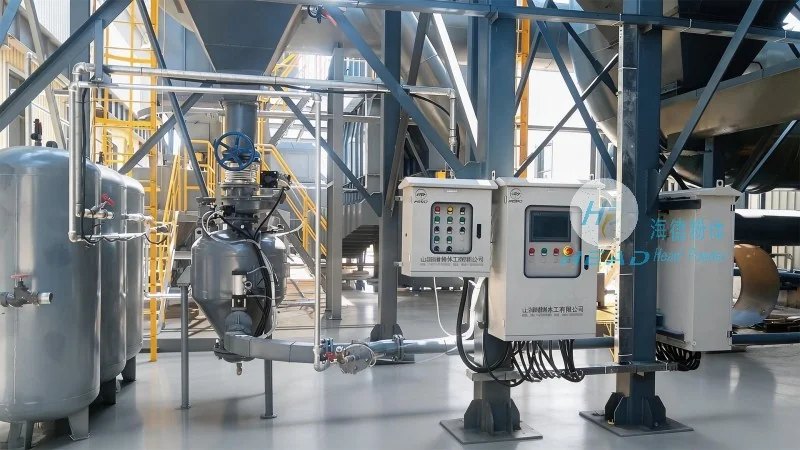
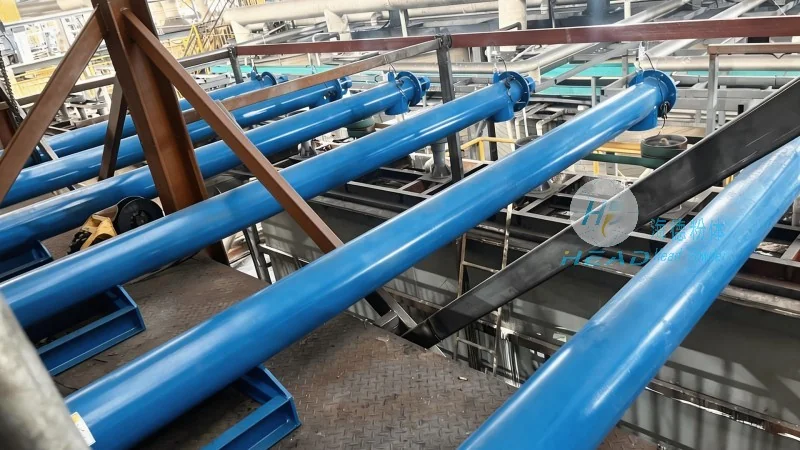
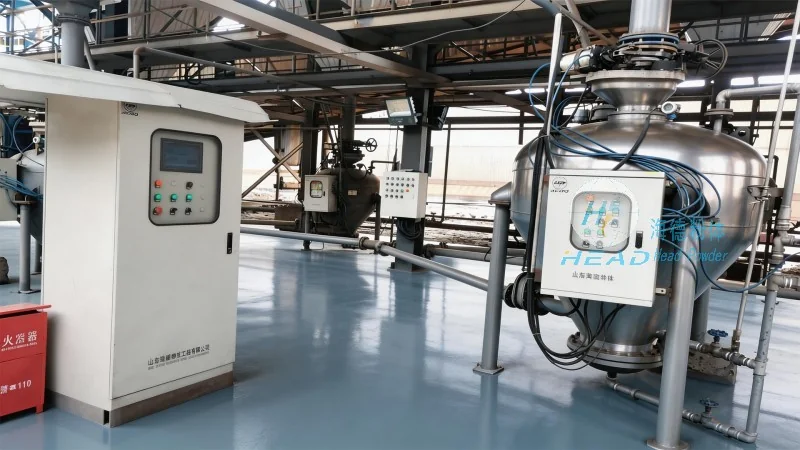
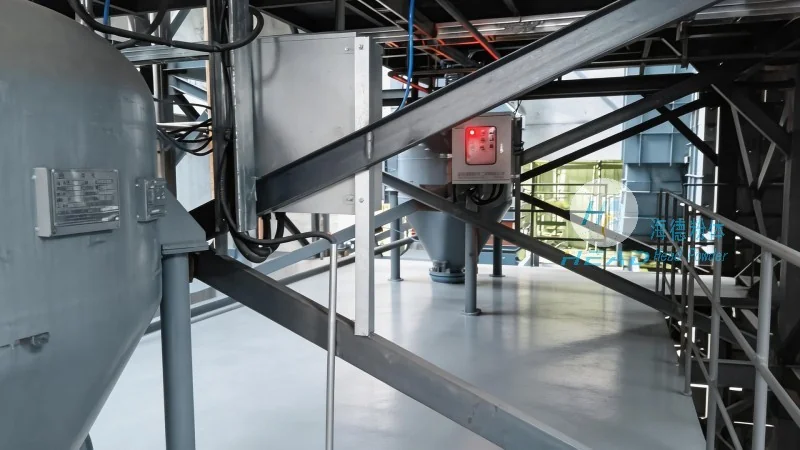
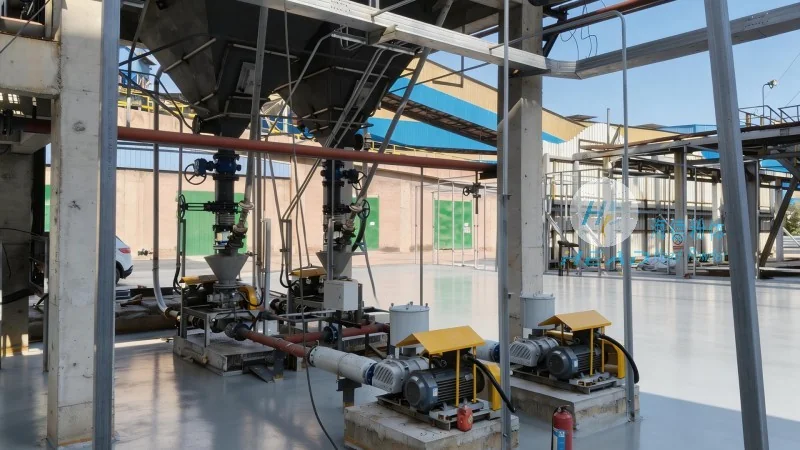
A fully functional activated carbon conveying system comprises several critical components working in unison. The system typically begins with a specialized feeding device, such as a rotary valve or a screw feeder, which regulates the flow of carbon into the pipeline. The heart of the system is the conveying pump, which generates the necessary pressure to propel the material. This is followed by a distribution network of pipes, which must be designed with the correct diameter and slope to prevent settling. Finally, the system includes receivers and dust collectors to ensure that the carbon is deposited cleanly. Each component must be selected based on the specific requirements of the facility, such as the volume of material to be moved and the distance of the pipeline.
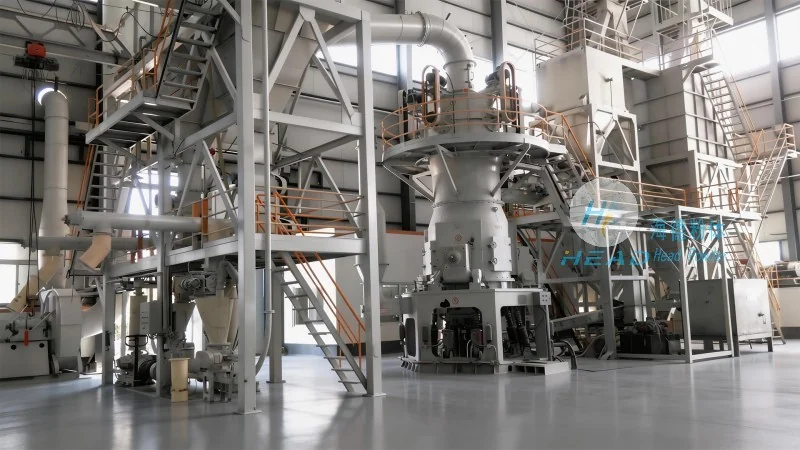
Every industrial facility has distinct requirements regarding space, layout, and production capacity. A one-size-fits-all approach rarely works in complex industrial environments. This is why the ability to provide tailored solutions is a hallmark of a top-tier engineering firm. Shandong Headpowder Engineering Co., Ltd. specializes in the customization of material handling systems. Their team of engineers works closely with clients to analyze their specific operational needs and design a bespoke activated carbon pneumatic conveying scheme. Whether the requirement involves a vertical lift, a complex routing around existing machinery, or a high-volume continuous feed, the engineering team at Headpowder ensures that the system is optimized for performance and reliability.
Partnering with an experienced manufacturer is crucial for the long-term success of any material handling project. A professional activated carbon pneumatic conveying manufacturer brings technical expertise, quality control, and after-sales support to the table. Shandong Headpowder Engineering Co., Ltd. leverages years of industry experience to deliver systems that are not only efficient but also durable. They understand the nuances of handling fine powders and have developed proprietary technologies to mitigate common issues such as pipe blockages and wear. By choosing a manufacturer with a proven track record, companies can ensure that their investment is protected and that their production lines remain uninterrupted.
Safety is paramount when dealing with combustible dust. Activated carbon has a low Minimum Ignition Energy (MIE), meaning it can ignite easily from static electricity or hot surfaces. A professional conveying system must incorporate multiple layers of safety. This includes the use of explosion-proof electrical components, proper grounding of the pipeline to dissipate static charges, and pressure relief mechanisms. Shandong Headpowder Engineering Co., Ltd. prioritizes safety in every design. Their systems are engineered to meet international safety standards, ensuring that the transportation of activated carbon is conducted without compromising the well-being of the workforce or the integrity of the facility.
While pneumatic conveying systems are generally low-maintenance, they still require regular upkeep to function at peak efficiency. Components such as seals, gaskets, and valves are subject to wear and tear due to the abrasive nature of carbon particles. A good engineering partner provides comprehensive maintenance guides and readily supplies replacement parts. Shandong Headpowder Engineering Co., Ltd. is committed to the total lifecycle management of their equipment. They offer technical support and spare parts availability, ensuring that any downtime is minimized. A well-maintained system ensures a consistent supply of activated carbon to the production process, enhancing overall operational efficiency.
For industries looking to implement a safe and efficient material handling solution, the expertise of Shandong Headpowder Engineering Co., Ltd. is readily available. The company, headquartered in Shandong, China, is dedicated to providing top-tier engineering services. If you are interested in discussing your specific requirements for an activated carbon pneumatic conveying solution, please do not hesitate to reach out. You can contact Mr. Zhang, the project manager at Headpowder, for a detailed consultation. You can connect with him via WeChat at 15662777102. The team is ready to assist you in designing a system that meets your exact specifications and ensures the safe, reliable transport of your activated carbon.

 Shandong Headpowder Engineering Co., Ltd.
 156-6277-7102(Manager Zhang)
  0531-83386006
  Zhangqiu District, Jinan City, Shandong Province, China
telephone
WeChatconsult
top