With more than 10‑year industry experience, Shandong Headpowder delivers full‑service pneumatic‑conveying systems and blowers, undertaking nationwide turn‑key powder‑handling projects.
Zinc oxide is a critical material in various industries, ranging from rubber and plastics to ceramics and pharmaceuticals. However, handling this material presents significant technical challenges. Zinc oxide is a fine, lightweight powder that tends to aggregate and can be prone to dusting. When handled manually or with mechanical conveyors, there is a high risk of environmental contamination, operator inhalation hazards, and potential dust explosions. To overcome these challenges, industries require robust and reliable systems. This is where professional expertise becomes essential. A specialized provider can design a setup that ensures the safe, continuous, and efficient movement of the material from storage to the processing point. The focus must always be on maintaining material integrity and ensuring workplace safety.
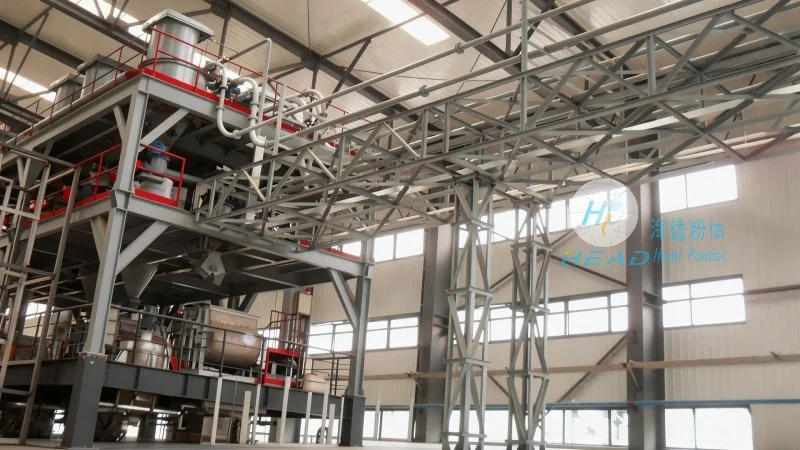
One size does not fit all when it comes to industrial material handling. Every facility has unique spatial constraints, production schedules, and material requirements. Therefore, a rigid, off-the-shelf solution often fails to meet specific operational needs. This is why the emphasis is placed on a customized zinc oxide pneumatic conveying scheme. A tailored approach involves a thorough analysis of the plant layout, the specific properties of the zinc oxide, and the desired throughput rates. By customizing the flow path and equipment specifications, engineers can minimize energy consumption while maximizing throughput. Whether the requirement is a dense phase system for fragile particles or a dilute phase system for high-speed transport, a bespoke plan ensures that the infrastructure integrates seamlessly with existing operations. This customization prevents bottlenecks and optimizes the entire production workflow.
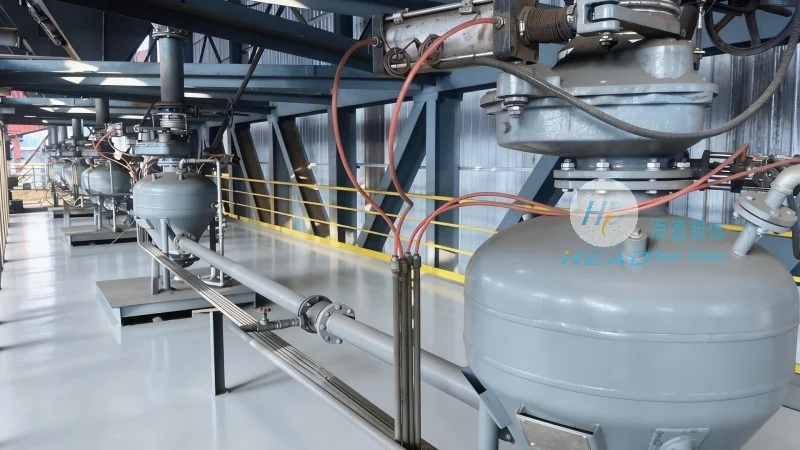
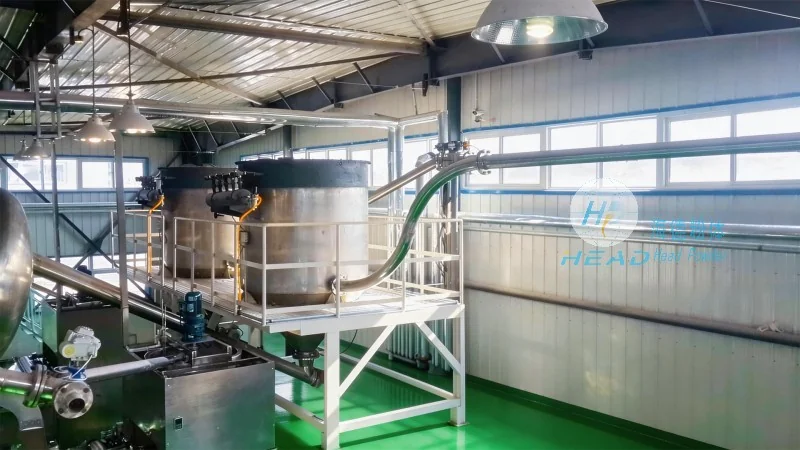
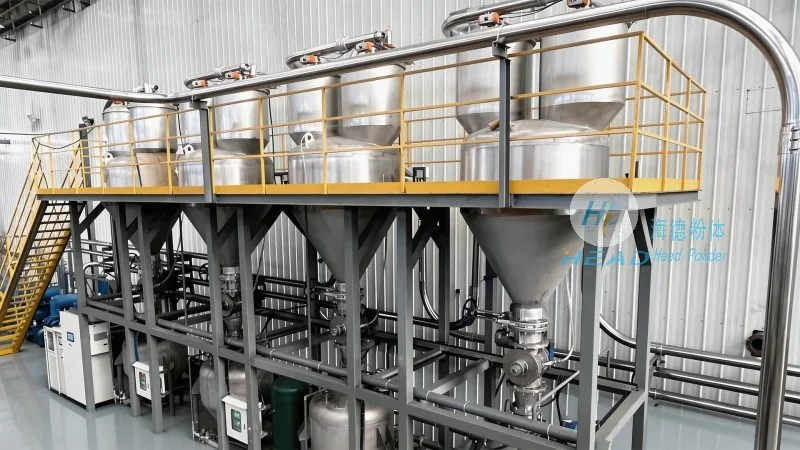
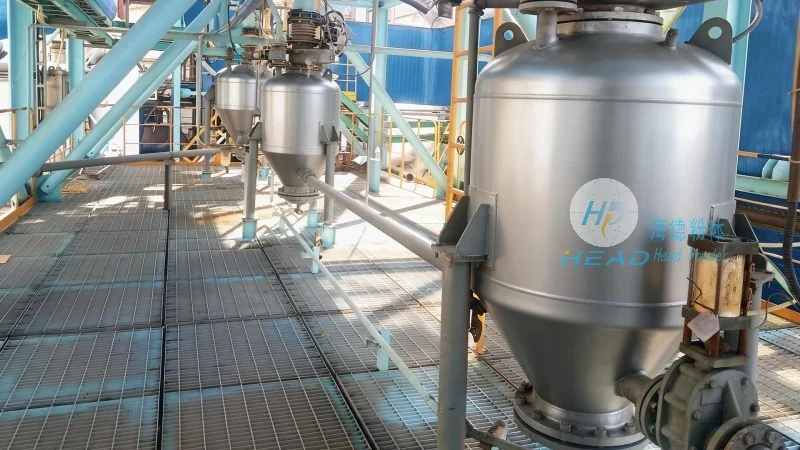
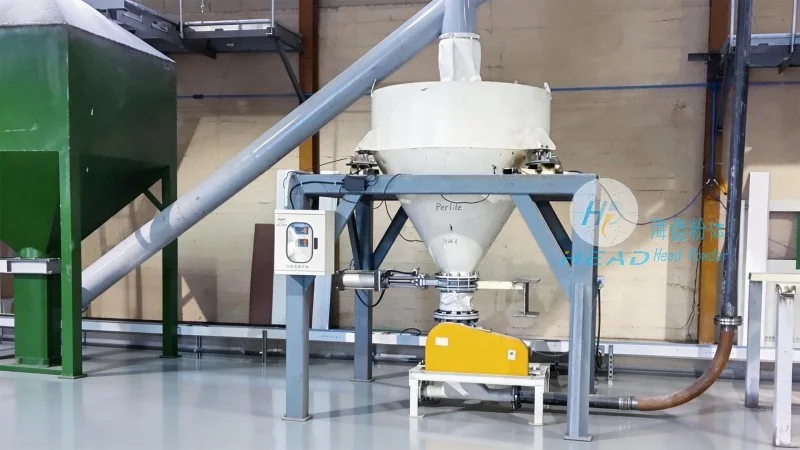
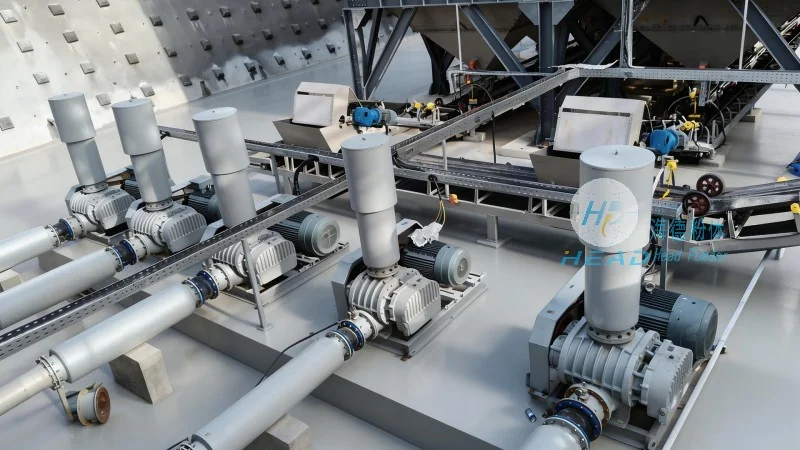
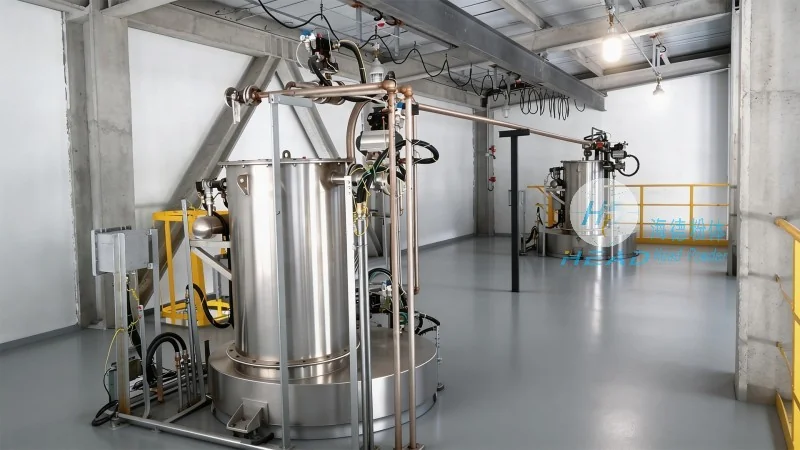
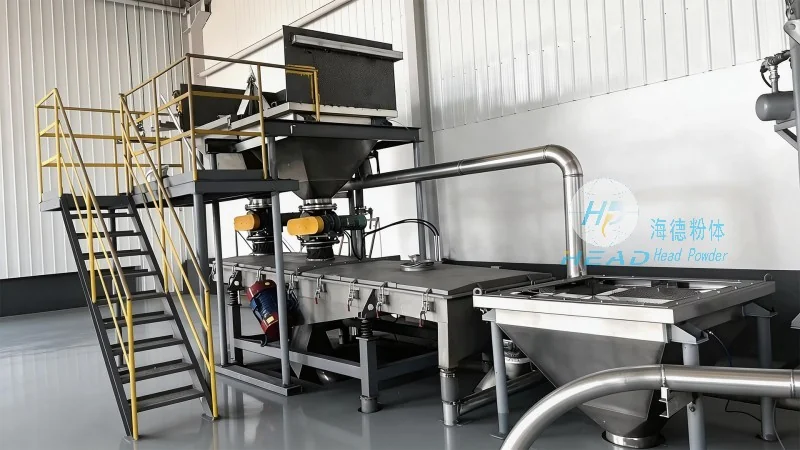
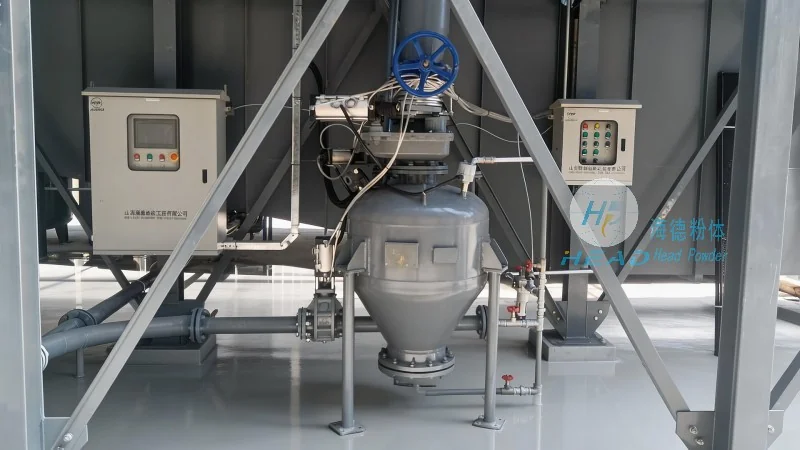
The backbone of any successful material handling operation is the quality of the equipment. A complete zinc oxide conveying system comprises several integrated components working in harmony. This includes high-capacity storage hoppers, pneumatic conveying pumps, insulated or heated pipelines, rotary valves, and advanced dust collection units. As a specialized oxidation zinc pneumatic conveying manufacturer, the focus is on engineering equipment that withstands the abrasive nature of the powder. The system must be designed to handle the flow without clogging or excessive wear. Furthermore, the equipment should be equipped with smart controls that monitor pressure and flow rates in real-time, allowing for immediate adjustments to maintain stability. High-quality equipment not only extends the lifespan of the machinery but also reduces maintenance costs and downtime over the long term.
Located in Shandong, China, Shandong Headpowder Engineering Co., Ltd. stands as a premier entity in the field of powder handling technology. The company is dedicated to providing superior engineering solutions for the powder and granule processing industries. With a strong commitment to innovation and quality, the company has established itself as a trusted partner for businesses seeking reliable material transport solutions. The company's expertise covers the entire spectrum of pneumatic conveying, from initial concept design to final installation and commissioning. The team consists of experienced engineers who understand the nuances of handling fine powders like zinc oxide. The company prides itself on its ability to deliver projects on time and within budget, ensuring client satisfaction through technical excellence and dedicated service.
For businesses looking to upgrade their material handling infrastructure or require a new installation, direct communication is key. Engaging with the right professionals ensures that your specific needs are understood and addressed. You are encouraged to reach out to Zhang Manager at Shandong Headpowder Engineering Co., Ltd. for detailed consultations and technical support. Zhang Manager can provide expert advice on the most suitable oxidation zinc pneumatic conveying scheme tailored to your facility's requirements. To connect with the team, you can reach them via WeChat at 15662777102. Taking this step will allow you to discuss your project specifics and explore how their advanced zinc oxide conveying system equipment can enhance your production efficiency and safety standards.

 Shandong Headpowder Engineering Co., Ltd.
 156-6277-7102(Manager Zhang)
  0531-83386006
  Zhangqiu District, Jinan City, Shandong Province, China
telephone
WeChatconsult
top