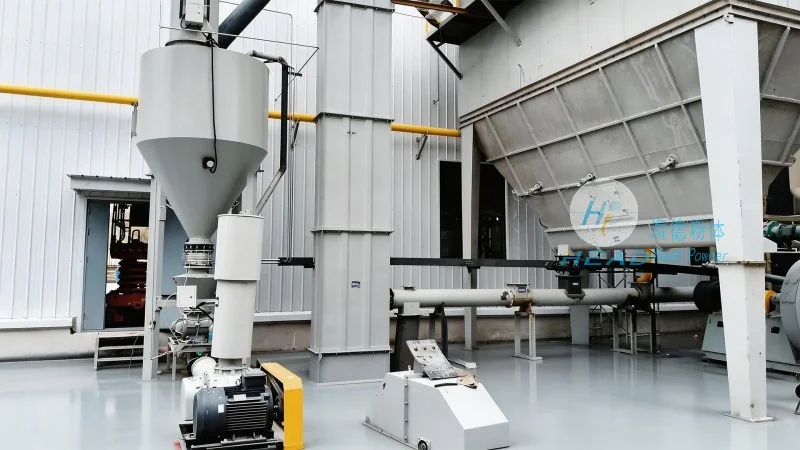
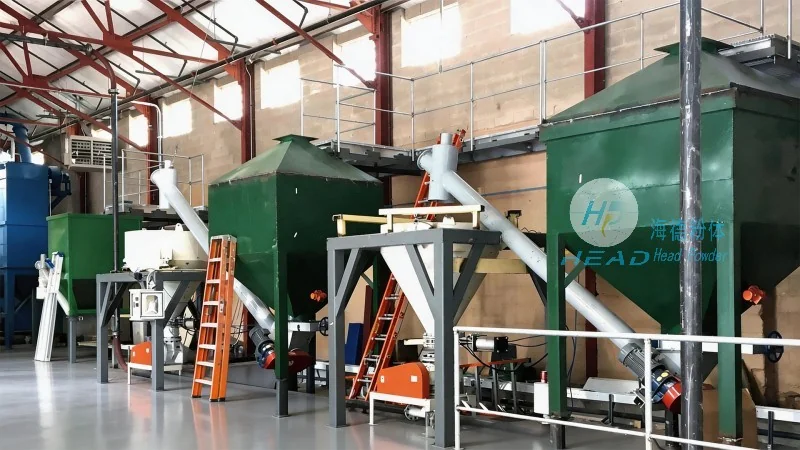
With more than 10‑year industry experience, Shandong Headpowder delivers full‑service pneumatic‑conveying systems and blowers, undertaking nationwide turn‑key powder‑handling projects.
Talc powder, renowned for its softness, lubricity, and chemical inertness, serves as a fundamental component in a vast array of industrial applications, ranging from plastics and rubber manufacturing to paints, coatings, and ceramics. Given its unique physical characteristics, including its tendency to be brittle and its propensity to generate static electricity, the transportation of this material requires specialized handling techniques. Traditional mechanical conveying methods, such as belt conveyors or screw conveyors, often fall short in scenarios involving long distances, vertical lifts, or strict environmental requirements. Consequently, the demand for advanced **talc powder pneumatic conveying solutions** has surged, necessitating a system that ensures minimal product degradation, prevents dust pollution, and guarantees operational continuity. This article provides an in-depth exploration of professional **talc powder pneumatic conveying manufacturers**, the intricacies of **talc powder conveying schemes**, and the robust **talc powder conveying systems** designed to meet the rigorous demands of modern industry.
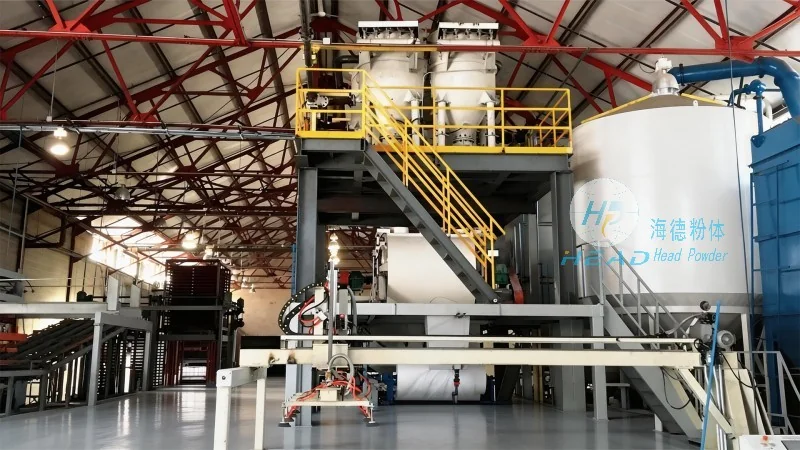
A **talc powder pneumatic conveying system** is a method of moving bulk materials like talc powder through enclosed pipelines using a pressurized gas stream, typically air or nitrogen. Unlike mechanical conveyors that rely on physical contact, pneumatic conveying minimizes abrasion and attrition, which is crucial for preserving the fine particle size and quality of the talc. The process involves feeding the material into a feed hopper, where it is transported through a network of pipes to a destination, such as a storage silo or a processing machine. This method is highly efficient for handling powders that are difficult to flow naturally. By utilizing a **talc powder pneumatic conveying scheme**, industries can achieve a closed-loop system that eliminates dust leaks, protects the operator's health, and maintains a clean production environment. Whether for short distances within a factory floor or long-distance transport between facilities, pneumatic conveying offers a versatile and reliable solution.
When seeking a reliable **talc powder pneumatic conveying manufacturer**, it is essential to partner with a company that combines engineering expertise with practical application experience. Shandong Headpowder Engineering Co., Ltd. is a distinguished entity in this field, recognized for its commitment to quality and innovation. As a leading **headpowder** enterprise, we specialize in the design, manufacturing, and installation of comprehensive material handling systems. Our team understands that every client has unique production needs, and we pride ourselves on delivering tailored solutions that enhance efficiency and reduce operational costs. Located in Shandong, China, our strategic position allows us to serve both domestic and international markets with agility and precision.
A one-size-fits-all approach rarely works in industrial engineering, which is why a customized **talc powder pneumatic conveying scheme** is the cornerstone of our service. At Shandong Headpowder Engineering Co., Ltd., we begin every project with a thorough analysis of the client's specific requirements. Factors such as the distance of the conveyor line, the topography of the plant, the required flow rate, and the specific properties of the talc powder are meticulously evaluated. We determine whether a dilute-phase system, which uses high velocity and low pressure, or a dense-phase system, which uses low velocity and high pressure, is more suitable for the application. Dense-phase systems are often preferred for talc powder because they reduce the velocity of the particles, thereby significantly decreasing wear on the pipeline and preventing product breakage. Our engineering team creates detailed 3D models and simulation data to ensure the proposed scheme is both technically feasible and economically viable before any equipment is manufactured.
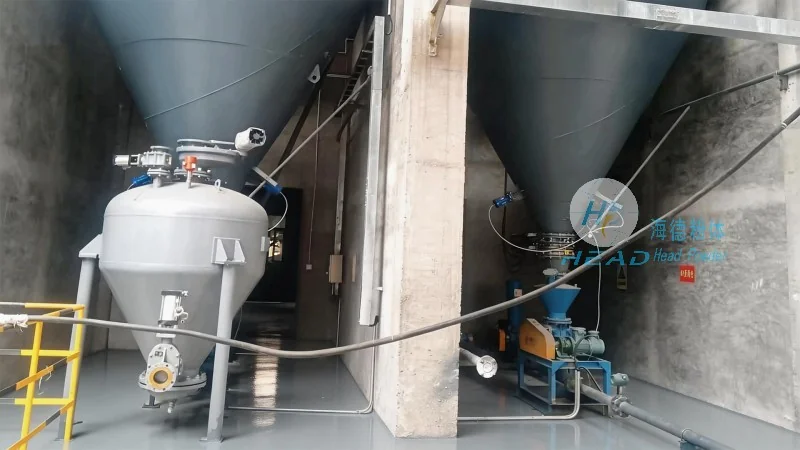
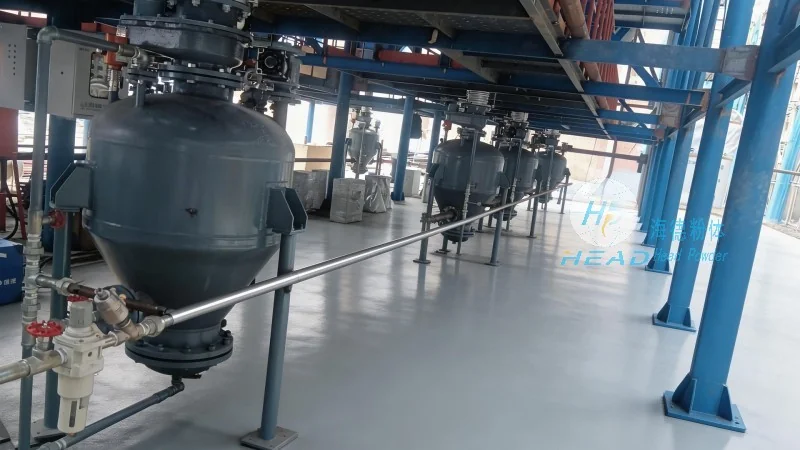
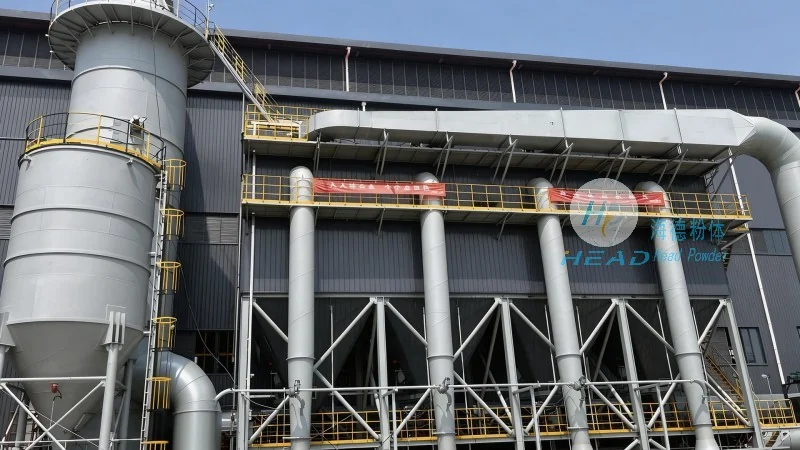
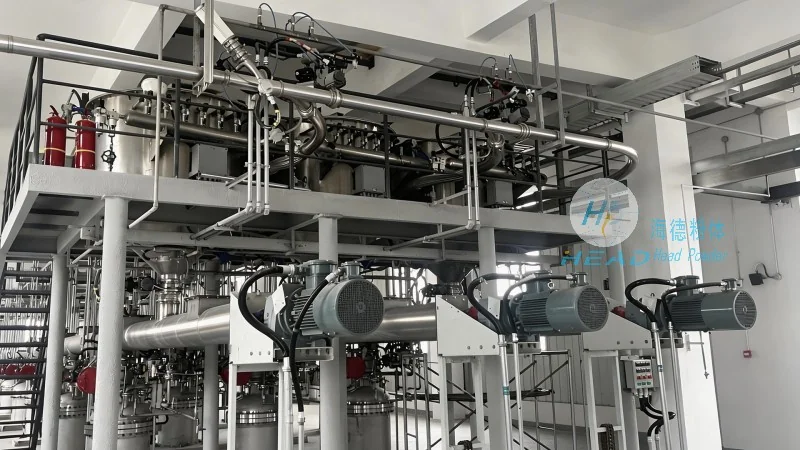
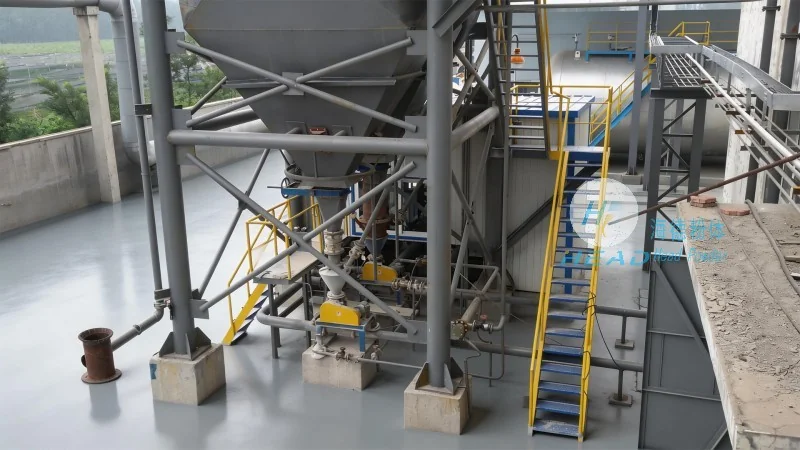
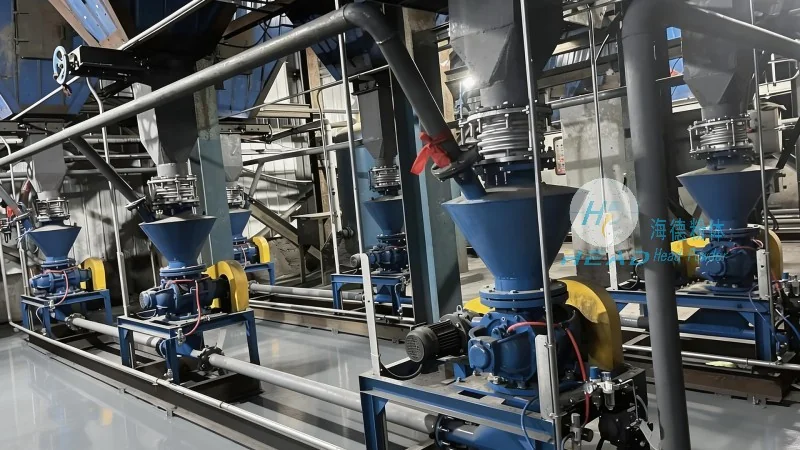
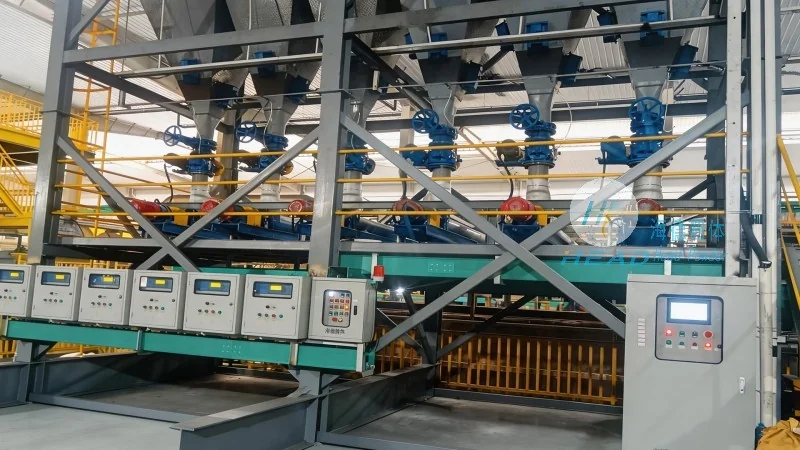
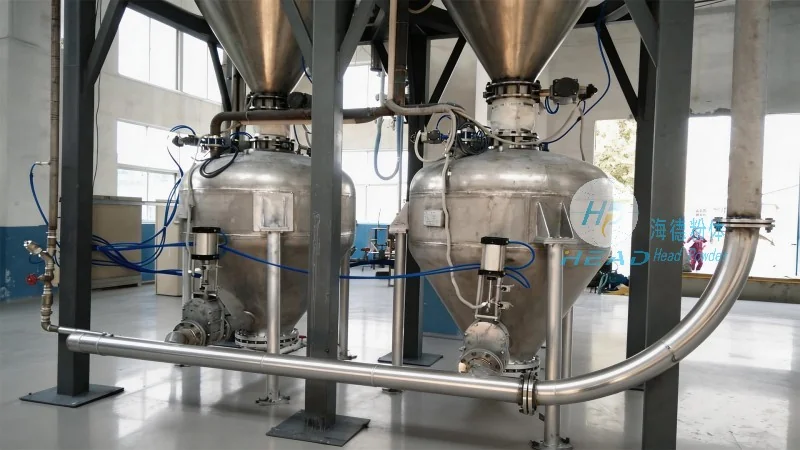
The reliability of a **talc powder conveying system** hinges on the quality of its components. We utilize state-of-the-art equipment to ensure longevity and performance. Key components of our systems include high-efficiency Roots blowers or screw compressors, which provide the necessary air pressure. These are paired with advanced rotary feeders or screw feeders that control the material flow into the pipeline. To ensure the purity of the conveyed talc, we incorporate high-performance cyclone separators and bag filters. The piping material is selected based on the abrasive nature of the talc; we often use wear-resistant steel or lined pipes to extend the service life of the system. Additionally, our control cabinets are equipped with PLC (Programmable Logic Controller) systems that allow for automated operation, monitoring of pressure and flow, and easy troubleshooting, ensuring that the **talc powder pneumatic conveying system** operates at peak efficiency with minimal manual intervention.
The versatility of our systems makes them suitable for a wide range of applications. In the plastic industry, **talc powder conveying systems** are used to feed talc directly into extruders or injection molding machines, ensuring precise dosing and consistent product quality. In the rubber industry, talc acts as a filler to improve mechanical properties; our pneumatic systems ensure that the talc is handled gently to maintain its reinforcing capabilities. Furthermore, in the production of paints and coatings, the fine particle size of talc is critical for texture and opacity, and our conveying systems prevent clumping and segregation that can occur with other methods. By providing robust **talc powder pneumatic conveying solutions**, we enable manufacturers to streamline their production lines, reduce downtime, and improve the overall quality of their end products.
Safety is paramount in powder handling. Talc powder, like many fine powders, poses risks such as dust explosions and respiratory hazards if not handled correctly. Shandong Headpowder Engineering Co., Ltd. places a strong emphasis on safety in the design of every **talc powder conveying scheme**. Our systems are designed with explosion-proof electrical components and are equipped with pressure relief valves and emergency stop mechanisms. We also ensure that the system is fully sealed to prevent fugitive dust emissions, which not only protects the environment but also complies with stringent occupational health and safety regulations. By choosing our **talc powder pneumatic conveying manufacturer** services, clients are assured of a system that prioritizes the safety of their workforce and the surrounding community.
Choosing the right partner for a **talc powder conveying system** is a decision that impacts the entire supply chain. Shandong Headpowder Engineering Co., Ltd. stands out due to our comprehensive service model. From the initial consultation and feasibility study to the final commissioning and after-sales support, we are involved at every step. Our team of engineers possesses deep technical knowledge of fluid dynamics and material handling, allowing us to solve complex engineering challenges. We are dedicated to providing solutions that are not only effective but also cost-effective in the long run. Our reputation as a premier **headpowder** provider is built on the trust we have earned from our clients through consistent performance and integrity.
Are you looking to upgrade your material handling process or design a new production line? We invite you to discuss your requirements with our experts. Our dedicated team is ready to provide you with a professional **talc powder pneumatic conveying scheme** tailored to your specific industrial needs. For detailed discussions regarding our **talc powder conveying systems** and to receive a customized quote, please contact our project manager, Mr. Zhang. We look forward to collaborating with you to achieve operational excellence through superior engineering solutions.

 Shandong Headpowder Engineering Co., Ltd.
 156-6277-7102(Manager Zhang)
  0531-83386006
  Zhangqiu District, Jinan City, Shandong Province, China
telephone
WeChatconsult
top