With more than 10‑year industry experience, Shandong Headpowder delivers full‑service pneumatic‑conveying systems and blowers, undertaking nationwide turn‑key powder‑handling projects.
Iron oxide powder, a widely used material in various industrial applications, requires efficient and reliable handling solutions to ensure smooth production processes. The pneumatic conveying system, as an advanced method for transporting such powders, has become a critical component in modern material handling. This article provides an overview of the equipment involved and the structural principles underlying the operation of an iron oxide powder pneumatic conveying system, presented by Shandong HeadPowder Engineering Co., Ltd., a leading provider in this field.
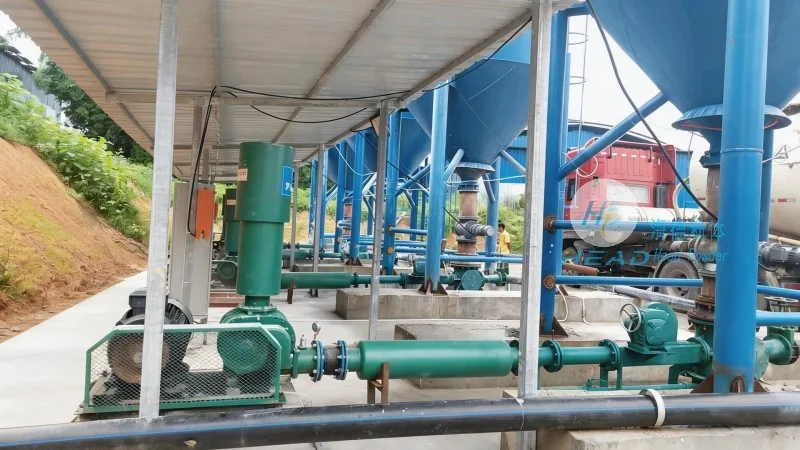
The pneumatic conveying system for iron oxide powder is designed to transport fine powders through a pipeline using air or other gases as the conveying medium. This method offers several advantages over traditional mechanical conveying systems, including reduced material degradation, lower maintenance requirements, and improved safety by eliminating the need for direct human contact with the powder. The system typically consists of several key components that work in tandem to achieve efficient and controlled material transport.
1. Feeder: The feeder is the initial component responsible for feeding the iron oxide powder into the conveying line. It ensures a consistent and controlled flow of material, preventing blockages and maintaining the desired conveying rate. Different types of feeders, such as rotary valves or screw feeders, may be used depending on the specific characteristics of the iron oxide powder, including its bulk density and flowability.
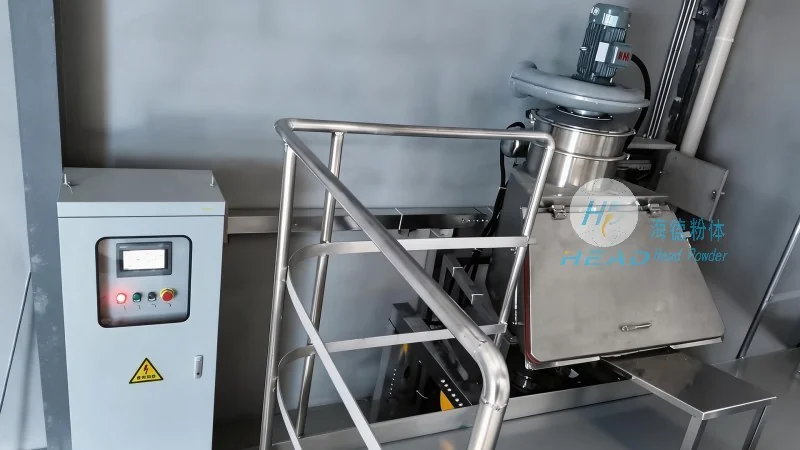
2. Conveying Pipeline: The pipeline serves as the main channel for transporting the iron oxide powder mixed with the conveying medium. It is typically made of materials like stainless steel or plastic, chosen for their resistance to corrosion and wear from the iron oxide powder. The pipeline design, including its diameter and length, is critical to maintaining the efficiency of the conveying process and preventing pressure losses.
3. Air Supply System: This system provides the necessary air or gas to create the pressure differential required for conveying the powder. It includes components such as a blower or compressor, filters to ensure clean air, and control valves to regulate the air flow. The air supply system must be capable of delivering sufficient pressure and volume to overcome the resistance in the pipeline and lift the iron oxide powder particles.
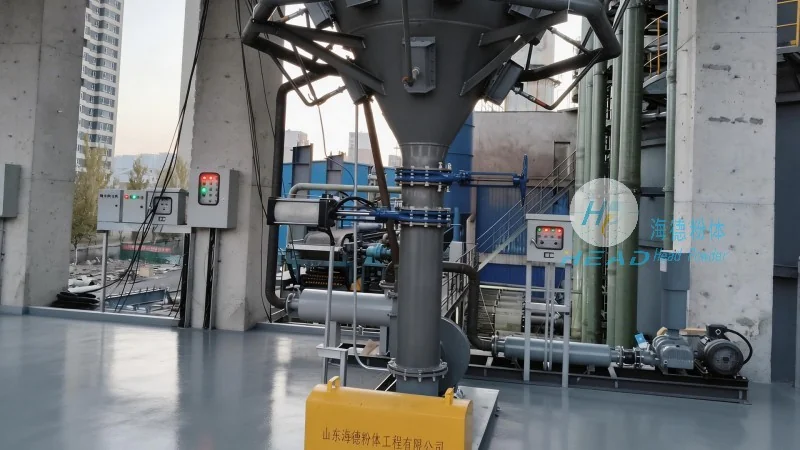
4. Receiver: The receiver is the final component where the iron oxide powder is deposited after being conveyed through the pipeline. It is designed to collect the powder efficiently and prevent spillage or contamination. The receiver may include features like a hopper or a silo to store the powder before further processing.
The operation of the iron oxide powder pneumatic conveying system is based on the principles of fluid dynamics and particle transport. The system relies on the creation of a pressure differential between the inlet and outlet of the pipeline. When the air supply system generates sufficient pressure, it forces the air and iron oxide powder mixture through the pipeline. The powder particles are suspended in the air stream, and the pressure difference ensures that they move along the pipeline towards the receiver.
The conveying process can be categorized into two main types: dilute phase and dense phase. In dilute phase conveying, the powder is suspended in the air stream at a relatively low concentration, allowing for high-speed and long-distance transport. In dense phase conveying, the powder is conveyed at a higher concentration, resulting in lower velocities and reduced pressure losses. The choice between these two modes depends on the specific requirements of the iron oxide powder handling application, such as the distance to be covered and the desired material handling rate.
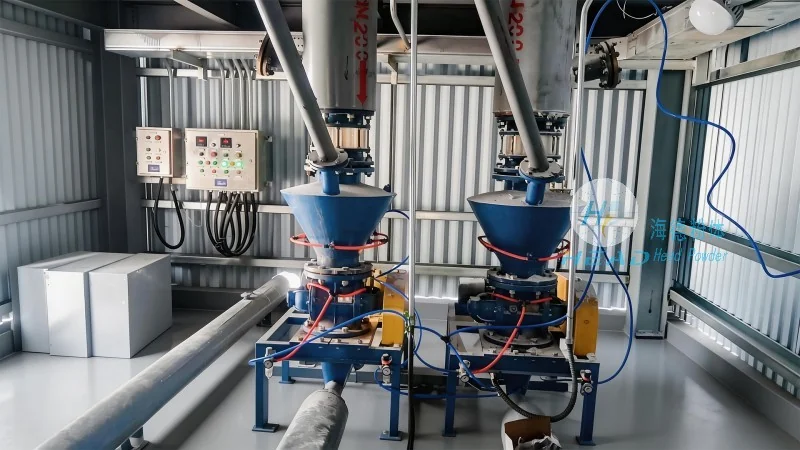
The pneumatic conveying system for iron oxide powder offers numerous advantages that make it a preferred choice in industrial settings. These include the ability to handle fine and abrasive powders without causing damage, the reduction of dust emissions through enclosed systems, and the flexibility to transport materials over long distances or to multiple destinations. The system is widely used in industries such as chemical manufacturing, pharmaceuticals, and food processing, where the handling of iron oxide powder is essential for the production of various products.
Shandong HeadPowder Engineering Co., Ltd. specializes in the design, manufacturing, and installation of pneumatic conveying systems tailored to the specific needs of iron oxide powder handling. By understanding the key equipment components and the structural principles of the system, industries can optimize their material handling processes, improve efficiency, and ensure the safe and reliable transport of iron oxide powder. The company's expertise in this field ensures that clients receive customized solutions that meet their operational requirements and enhance overall productivity.

 Shandong Headpowder Engineering Co., Ltd.
 156-6277-7102(Manager Zhang)
  0531-83386006
  Zhangqiu District, Jinan City, Shandong Province, China
telephone
WeChatconsult
top