With more than 10‑year industry experience, Shandong Headpowder delivers full‑service pneumatic‑conveying systems and blowers, undertaking nationwide turn‑key powder‑handling projects.
HeadPowder, a leading manufacturer based in Shandong, China, specializes in providing advanced solutions for the efficient handling of ceramic particles through pneumatic conveying systems. This article provides an overview of the equipment, its structural components, and the underlying principles that enable effective material transport.
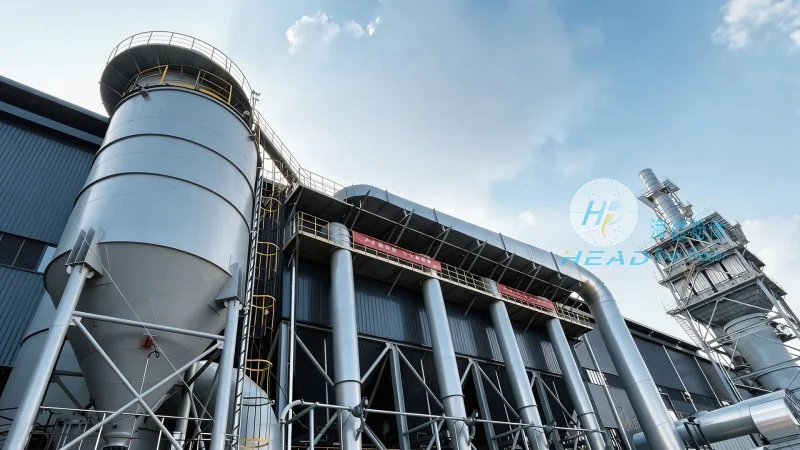
HeadPowder Engineering Co., Ltd. is a reputable company dedicated to innovation in material handling technology. With a strong presence in Shandong, China, the company focuses on developing reliable and efficient pneumatic conveying systems tailored to the unique needs of the ceramic industry. Their expertise ensures that clients receive equipment that meets high standards of performance and durability.
The ceramic particle pneumatic conveying system comprises several key components that work in tandem to facilitate material transport. These include the hopper, which serves as the storage and feeding unit; the air compressor or blower, responsible for generating the necessary airflow; the pipeline system, which transports the particles; and the control valves and filters that regulate the flow and maintain system efficiency.
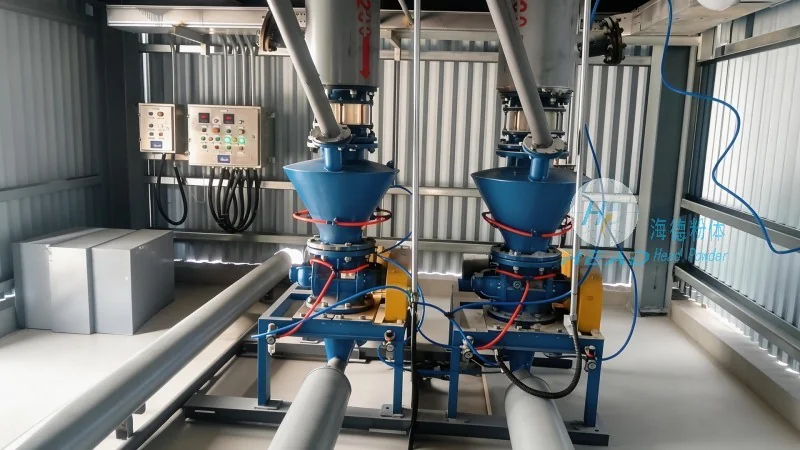
The structural design of the system is critical to its performance and longevity, especially when handling abrasive ceramic particles. High-quality materials, such as stainless steel or specialized alloys, are used for components that come into direct contact with the particles to prevent wear and corrosion. The hopper is typically designed with a conical or rectangular shape to ensure uniform material flow, while the pipeline is often equipped with smooth, non-porous surfaces to minimize particle buildup and friction.
The pneumatic conveying process begins with the loading of ceramic particles into the hopper. The air compressor then generates a flow of air, which is introduced into the pipeline. As the air moves through the system, it entrains the ceramic particles, creating a slurry-like mixture known as a "pneumatic stream." This stream travels through the pipeline to the discharge point, where the particles are separated from the air and collected. The system may include cyclone separators or filters to separate the particles from the air, ensuring that the particles are delivered to the intended destination without loss or contamination.
Using a pneumatic conveying system for ceramic particles offers several advantages over traditional methods like belt conveyors or manual handling. These include reduced labor costs, increased safety by minimizing human exposure to dust and particles, and improved process efficiency through continuous, automated material transport. The system also allows for precise control over the flow rate and pressure, enabling better management of the conveying process and reducing the risk of material degradation or loss.
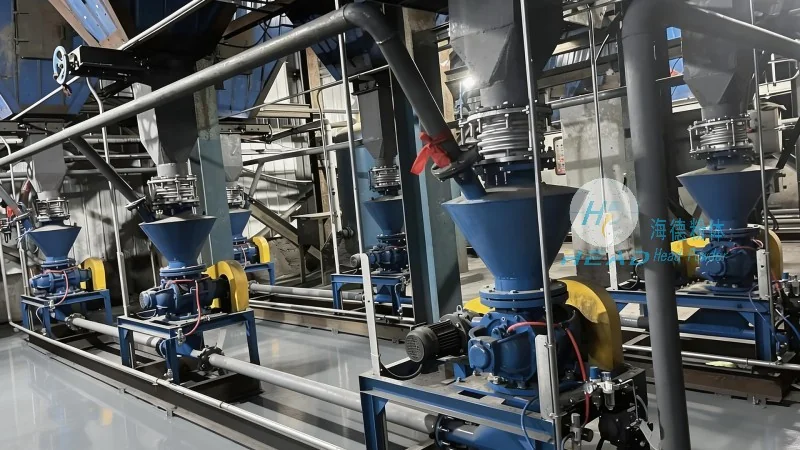
Ceramic particle pneumatic conveying systems are widely used in various applications within the ceramic industry, including the transport of raw materials like clay, feldspar, and quartz; the movement of finished products such as tiles, sanitaryware, and pottery; and the handling of waste materials during production. The versatility of the system makes it suitable for both small-scale and large-scale production facilities, providing a reliable solution for material handling challenges.
To ensure optimal performance and longevity of the ceramic particle pneumatic conveying system, regular maintenance is essential. This includes cleaning the hopper and pipeline to prevent particle buildup, checking and replacing filters as needed, and monitoring the air compressor for proper operation. Proper training of operators on the system's controls and safety procedures is also crucial to prevent accidents and maintain efficiency. By following these maintenance and operational guidelines, users can maximize the system's lifespan and minimize downtime.

 Shandong Headpowder Engineering Co., Ltd.
 156-6277-7102(Manager Zhang)
  0531-83386006
  Zhangqiu District, Jinan City, Shandong Province, China
telephone
WeChatconsult
top