With more than 10‑year industry experience, Shandong Headpowder delivers full‑service pneumatic‑conveying systems and blowers, undertaking nationwide turn‑key powder‑handling projects.
HeadPowder, a leading engineering company based in Shandong, China, specializes in the design and implementation of advanced catalyst pneumatic conveying systems. This article provides a comprehensive overview of the system's structure and operational principles, highlighting key components and their functions.
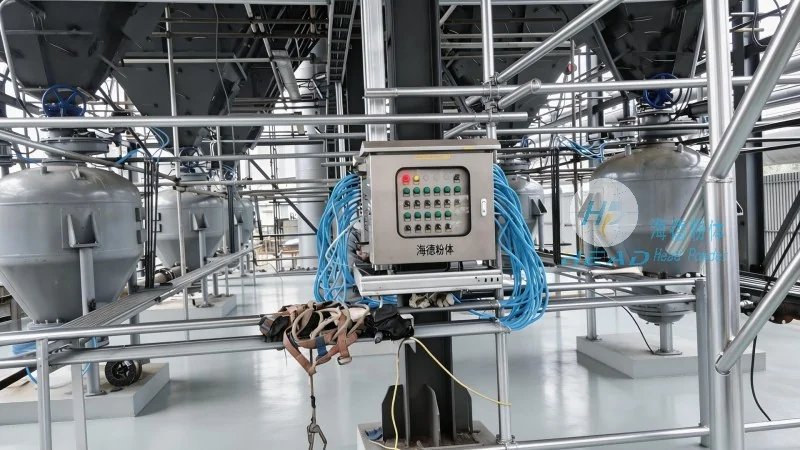
The catalyst pneumatic conveying system typically consists of several critical components that work in tandem to ensure efficient material transport. The primary elements include a hopper for material storage, a feeder to control the flow rate, a conveying line (often equipped with pressure vessels or ducts), and a receiver for the delivered material. Each component plays a vital role in maintaining the system's performance and reliability.
The operation of the catalyst pneumatic conveying system relies on the principles of fluid dynamics and air movement. The process begins with material being fed from the hopper into the conveying line. Simultaneously, a blower or compressor generates a flow of air within the system, creating a pressure differential that propels the material through the ducts. The air velocity and pressure are carefully controlled to ensure the material is transported without degradation or blockage. The system may employ different conveying modes, such as dilute-phase or dense-phase, depending on the material characteristics and application requirements.
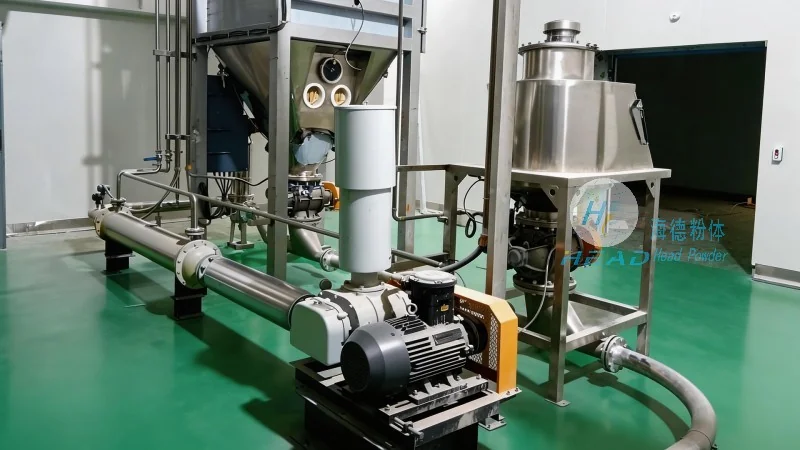
The structural design of the catalyst pneumatic conveying system is tailored to meet specific industrial needs, considering factors like material properties, conveying distance, and environmental conditions. Engineers at Shandong HeadPowder Engineering Co., Ltd. utilize advanced computational fluid dynamics (CFD) and material flow analysis to optimize the system layout. Key design considerations include the selection of appropriate duct materials (e.g., stainless steel or polyethylene) to prevent corrosion and material buildup, the sizing of the conveying line to match the air flow rate, and the integration of safety features such as pressure relief valves and dust collection systems.
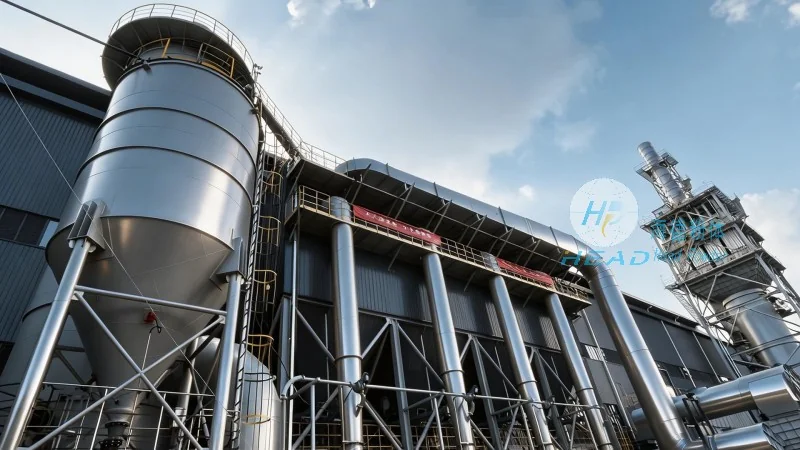
Implementing a catalyst pneumatic conveying system offers numerous benefits for industrial applications. These systems provide a clean and efficient method for transporting powders and granules, minimizing material loss and contamination. Compared to traditional mechanical conveying methods, pneumatic systems reduce the risk of product degradation due to less contact with equipment surfaces. Additionally, the flexibility of pneumatic conveying allows for easy integration with existing production lines and the ability to transport materials over long distances without the need for multiple transfer points. The system's ability to handle a wide range of particle sizes and densities further enhances its versatility in various industrial processes.
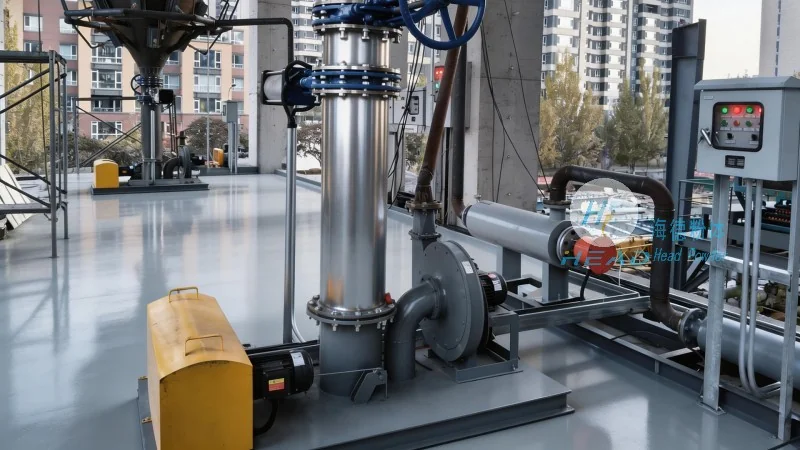
Catalyst pneumatic conveying systems are widely used in industries that require the handling of catalyst powders, including chemical manufacturing, petrochemical processing, and pharmaceutical production. In chemical plants, these systems facilitate the transfer of catalysts between reactors and storage tanks, ensuring consistent and reliable supply for production processes. In petrochemical facilities, the systems help manage the movement of catalysts used in refining operations, improving operational efficiency and reducing downtime. The pharmaceutical industry also benefits from these systems, as they enable the safe and hygienic transport of catalysts used in drug synthesis, adhering to stringent quality and safety standards.
To ensure the longevity and optimal performance of a catalyst pneumatic conveying system, regular maintenance and adherence to operational best practices are essential. Regular inspection of components such as hoppers, feeders, and conveying lines is crucial to detect and address issues like wear, corrosion, or blockages early. Cleaning procedures, including the use of air blowers or mechanical scrapers, help maintain the system's efficiency and prevent material buildup. Additionally, monitoring air pressure, flow rates, and material flow through sensors and control systems allows for real-time adjustments and troubleshooting. Proper training of operators on system operation and safety protocols further enhances the system's reliability and reduces the risk of accidents.

 Shandong Headpowder Engineering Co., Ltd.
 156-6277-7102(Manager Zhang)
  0531-83386006
  Zhangqiu District, Jinan City, Shandong Province, China
telephone
WeChatconsult
top