With more than 10‑year industry experience, Shandong Headpowder delivers full‑service pneumatic‑conveying systems and blowers, undertaking nationwide turn‑key powder‑handling projects.
Urea granule pneumatic conveying systems are essential equipment in the fertilizer industry, designed to efficiently transport urea granules from storage to processing or packaging areas. These systems utilize air as the conveying medium, enabling the movement of bulk materials without the need for mechanical components like belts or buckets. The following article provides an overview of the key components, structural design, and operational principles of such systems, with a focus on the applications and technical aspects relevant to urea handling.
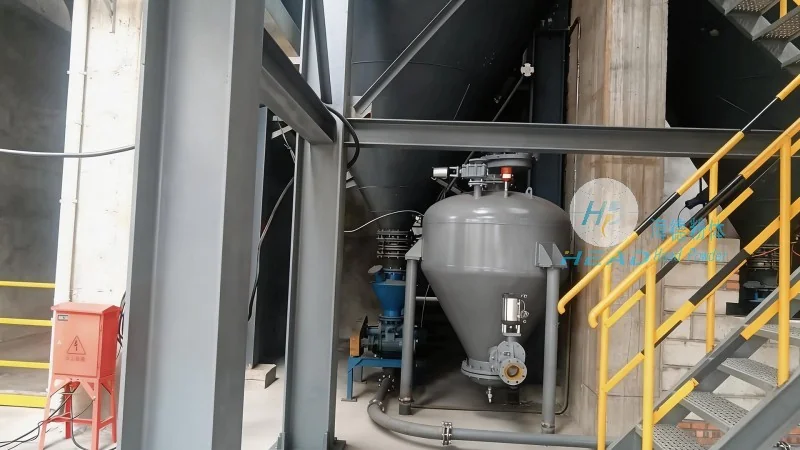
Shandong HeadPowder Engineering Co., Ltd., commonly known as headpowder, is a professional manufacturer and supplier of pneumatic conveying equipment based in Shandong, China. With years of experience in the industry, the company specializes in designing and manufacturing customized solutions for various bulk material handling needs, including urea granule transportation. The company's headquarters and main production facilities are located in Shandong, providing a strong foundation for research, development, and production of high-quality conveying systems.
Urea granule pneumatic conveying systems are engineered to handle the unique characteristics of urea granules, such as their size, density, and flowability. The primary goal of these systems is to ensure reliable, continuous, and low-cost transportation of urea from storage silos or bulk containers to downstream processing units or packaging lines. Unlike traditional mechanical conveyors, pneumatic systems offer advantages like reduced maintenance, minimal product contamination, and the ability to handle materials in enclosed environments, which is crucial for maintaining product quality and safety.
The urea granule pneumatic conveying system typically consists of several interconnected components that work in harmony to achieve efficient material transport. The main components include the feeding unit, conveying pipeline, air supply system, and control system. Each component plays a critical role in the overall operation of the system.
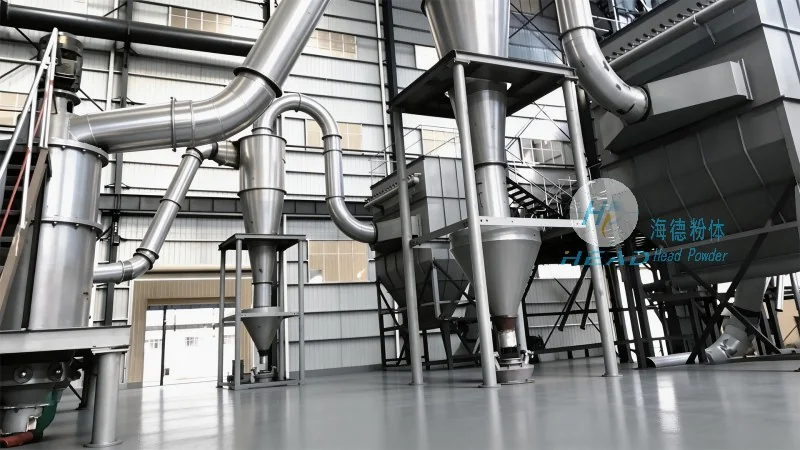
The feeding unit is responsible for introducing urea granules into the conveying system. It usually consists of a hopper or a rotary valve that controls the flow rate of the material. The hopper is designed to store a sufficient quantity of urea granules, ensuring a continuous supply to the system. The rotary valve, often equipped with a pressure seal, regulates the discharge of granules into the conveying pipeline, preventing air leakage and maintaining consistent material flow.
The conveying pipeline is the core of the pneumatic system, responsible for transporting urea granules through the air stream. The pipeline is typically made of stainless steel or other corrosion-resistant materials to withstand the chemical properties of urea and prevent material buildup. The design of the pipeline, including the use of bends, elbows, and straight sections, is optimized to minimize pressure loss and ensure smooth material flow. The pipeline may also include inspection ports and cleaning mechanisms to facilitate maintenance and prevent blockages.
The air supply system provides the necessary air pressure and volume to move the urea granules through the pipeline. It consists of a blower or a compressor, air filters, and a control valve. The blower generates the required airflow, which is then filtered to remove contaminants that could damage the system or affect product quality. The control valve regulates the air pressure and flow rate, allowing for precise control over the conveying process. The system may also include a pressure regulator to maintain consistent air pressure throughout the operation.
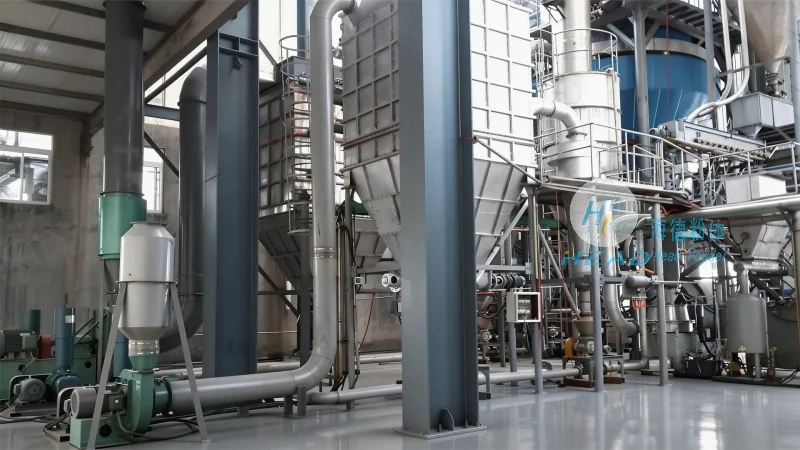
The control system manages the operation of the entire pneumatic conveying system, ensuring safe and efficient material transport. It typically includes sensors, controllers, and a user interface. Sensors monitor parameters such as pressure, flow rate, and material level, providing real-time data to the controller. The controller processes this data and adjusts the system settings as needed, such as adjusting the air pressure or flow rate to maintain optimal conveying conditions. The user interface allows operators to monitor the system status and make adjustments as required.
The operation of the urea granule pneumatic conveying system is based on the principle of pneumatic transport, where air is used to move the material through the pipeline. The process begins with the urea granules being fed into the conveying pipeline from the feeding unit. Simultaneously, the air supply system generates a high-pressure air stream that is introduced into the pipeline. The air stream creates a low-pressure zone within the pipeline, which draws the urea granules into the air flow. As the air and granules move together through the pipeline, the granules are carried to the destination point.
The velocity of the air stream is a critical factor in the conveying process. It must be sufficient to overcome the gravitational force of the granules and maintain their suspension in the air stream. The optimal air velocity is determined by the size, density, and flowability of the urea granules, as well as the diameter of the pipeline. If the air velocity is too low, the granules may settle and cause blockages. If the air velocity is too high, excessive energy consumption and potential product damage may occur.
The system operates in a continuous or intermittent mode, depending on the application requirements. In continuous operation, the feeding unit maintains a steady flow of urea granules, while the air supply system provides a constant air stream. In intermittent operation, the system may be activated periodically to transport a batch of material. The control system ensures that the system operates efficiently and safely, adjusting the air pressure and flow rate as needed to maintain optimal conveying conditions.
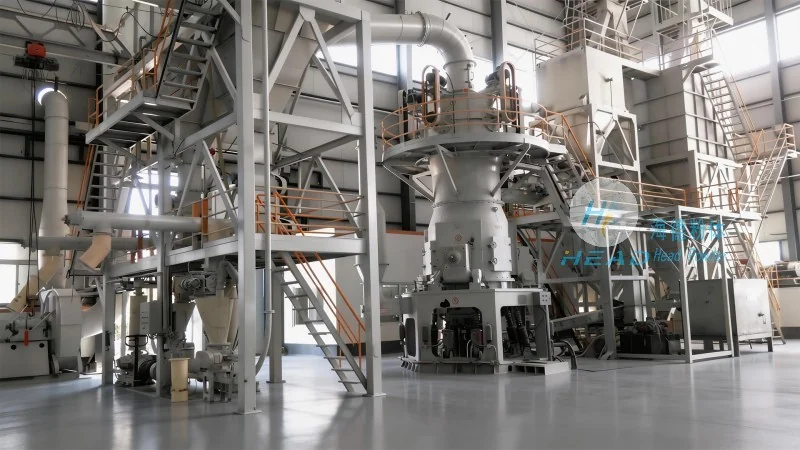
Urea granule pneumatic conveying systems offer several advantages over traditional mechanical conveyors, making them ideal for urea handling applications. These advantages include reduced maintenance costs, minimal product contamination, and the ability to handle materials in enclosed environments. The systems are also flexible and can be customized to meet specific application requirements, such as varying material flow rates or pipeline lengths.
The primary applications of urea granule pneumatic conveying systems include transporting urea from storage silos to processing units, such as granulation or coating lines. They are also used in packaging lines to move urea granules from bulk containers to packaging machines. The systems are commonly used in fertilizer manufacturing plants, where efficient and reliable material transport is essential for maintaining production efficiency and product quality.
Urea granule pneumatic conveying systems are an essential part of modern fertilizer production, providing efficient and reliable transportation of urea granules. The systems are designed with advanced components and optimized structural designs to ensure high performance and low maintenance. With the expertise of manufacturers like Shandong HeadPowder Engineering Co., Ltd., these systems can be customized to meet the specific needs of various applications, ensuring optimal performance and product quality.

 Shandong Headpowder Engineering Co., Ltd.
 156-6277-7102(Manager Zhang)
  0531-83386006
  Zhangqiu District, Jinan City, Shandong Province, China
telephone
WeChatconsult
top