With more than 10‑year industry experience, Shandong Headpowder delivers full‑service pneumatic‑conveying systems and blowers, undertaking nationwide turn‑key powder‑handling projects.
The pneumatic conveying system for styrene is a specialized industrial solution designed to handle the transportation of styrene, a key monomer in the production of polystyrene and other polymer materials. This system is engineered to ensure efficient, safe, and reliable movement of styrene from storage to processing units within manufacturing facilities. As a critical component in the polymer industry, the system's design and operation are tailored to meet the specific demands of styrene handling, including considerations for its physical properties, such as viscosity, density, and potential reactivity under certain conditions.
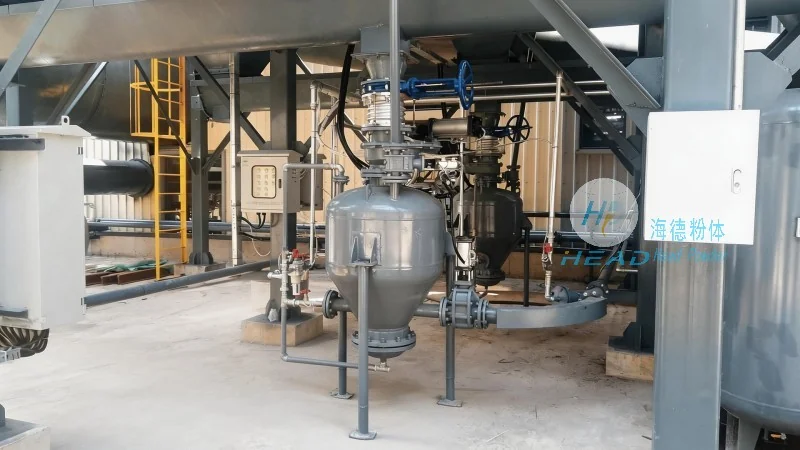
HeadPowder, a leading engineering company based in Shandong, China, specializes in the design, manufacturing, and installation of advanced pneumatic conveying systems. The company's expertise lies in creating customized solutions that address the unique challenges associated with styrene transportation, such as minimizing product degradation, controlling dust emissions, and ensuring compliance with safety and environmental regulations. By leveraging years of experience in material handling and process engineering, HeadPowder delivers systems that enhance operational efficiency and reduce downtime for clients in the chemical and polymer sectors.
The pneumatic conveying system for styrene typically consists of several interconnected components that work in concert to facilitate material transport. The primary structural elements include a hopper or storage tank for receiving styrene, a feeder mechanism to control the flow rate, a conveying line (often equipped with air or gas as the conveying medium), and a receiver or discharge unit for delivering the material to the next stage of processing. Each component is carefully selected and integrated to ensure optimal performance and compatibility with styrene's characteristics.
The hopper is designed to accommodate the bulk storage of styrene, providing a stable and controlled environment for material feeding. It may include features such as a level indicator or a discharge valve to regulate the flow of styrene into the feeder. The feeder, which can be a rotary valve, screw feeder, or other type of metering device, ensures a consistent and controlled discharge of styrene into the conveying line. This control is crucial for maintaining a steady flow rate and preventing overloading or underloading of the system.
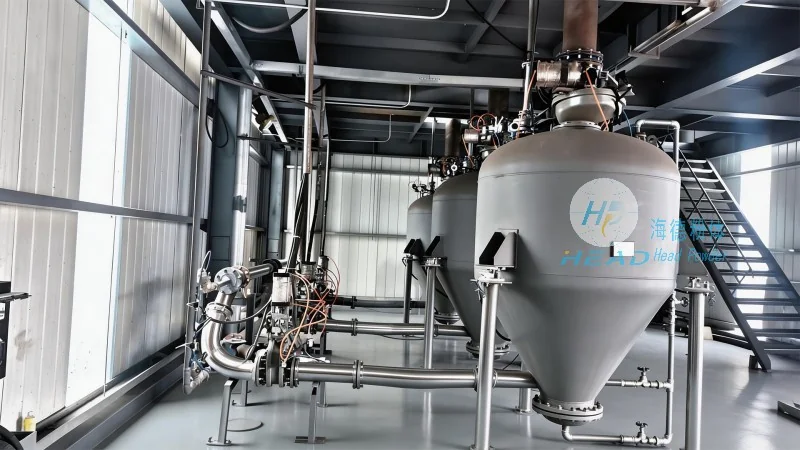
The conveying line itself is a critical component, often made of materials resistant to styrene's chemical properties, such as stainless steel or specialized plastics. The line is connected to a blower or compressor that generates the air or gas flow necessary to move the styrene particles through the system. The velocity and pressure of the conveying medium are carefully managed to ensure that styrene is transported efficiently without causing excessive wear or degradation. Additionally, the line may include features like bends, elbows, or expansion joints to accommodate changes in direction or elevation, while maintaining the integrity of the material flow.
The operation of the pneumatic conveying system for styrene is based on the principle of fluidization and suspension of the material particles in a moving air or gas stream. When the conveying medium is introduced into the hopper or feeder, it creates a low-pressure zone that draws the styrene particles into the conveying line. The particles are then suspended in the air stream and transported to the receiver, where the air is separated from the material and either recirculated or vented as per safety and environmental requirements.
There are two main types of pneumatic conveying systems used for styrene: dilute-phase and dense-phase. Dilute-phase systems operate at higher velocities, typically 20-30 meters per second, and are suitable for short to medium distances. They rely on the momentum of the air stream to carry the particles, resulting in a relatively low pressure drop. Dense-phase systems, on the other hand, operate at lower velocities (5-15 meters per second) and higher pressures, which allows for the transportation of larger quantities of material over longer distances. This method is often preferred for handling sensitive materials like styrene, as it reduces the risk of product degradation and provides better control over the material's condition.
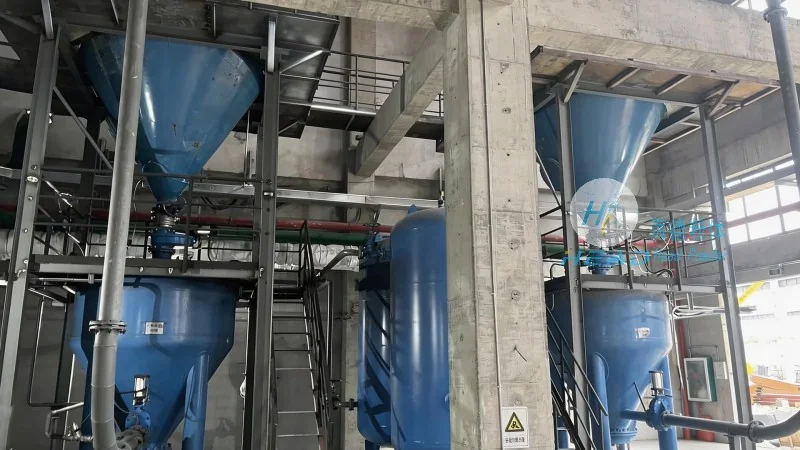
The system's working principle also involves the control of air flow and pressure to maintain a stable and efficient transport process. Sensors and control valves are typically integrated into the system to monitor and adjust the air pressure, flow rate, and material feed rate in real-time. This closed-loop control system ensures that the system operates within optimal parameters, minimizing energy consumption and maximizing the throughput of styrene. Additionally, safety features such as explosion-proof blower units, dust collection systems, and emergency shut-off valves are incorporated to protect personnel and equipment from potential hazards associated with styrene handling.
Implementing a pneumatic conveying system for styrene offers several significant advantages over traditional mechanical conveying methods. One of the primary benefits is the ability to handle styrene in a closed system, which effectively prevents dust emissions and contamination from external sources. This not only improves workplace safety but also maintains the purity of the material, which is critical for downstream processing. The closed system also reduces the risk of product exposure to moisture or other environmental factors that could affect its quality.
Another key advantage is the enhanced operational efficiency achieved through the system's ability to transport styrene at high speeds and over long distances with minimal labor intervention. The automated control features allow for consistent and reliable material flow, reducing the need for manual handling and minimizing the risk of human error. This leads to increased production throughput and reduced downtime, which are essential for maintaining competitiveness in the polymer industry.
The system's design flexibility is also a major benefit, as it can be customized to meet the specific requirements of different manufacturing processes. Whether for short-distance transport within a plant or long-distance transfer between facilities, the system can be scaled and configured to suit the needs of the client. Additionally, the use of advanced materials and engineering techniques ensures that the system is durable and requires minimal maintenance, further contributing to its overall cost-effectiveness.
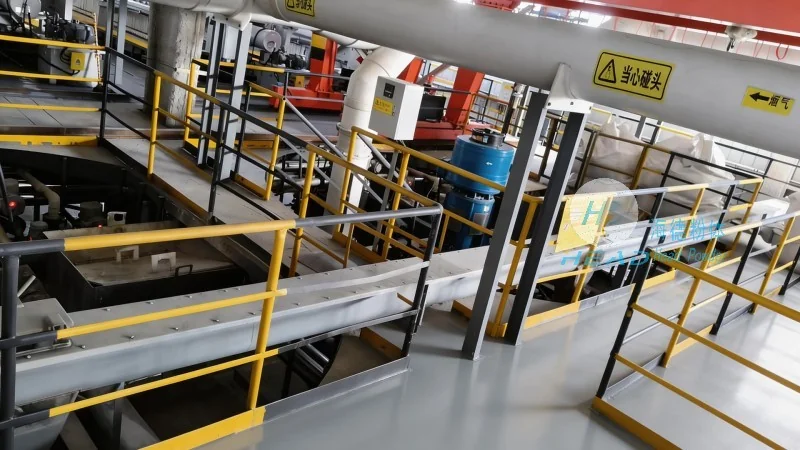
The pneumatic conveying system for styrene is widely used in various applications within the chemical and polymer manufacturing industry. For instance, in the production of polystyrene, the system is used to transport styrene from storage tanks to polymerization reactors, ensuring a continuous and controlled feed of the monomer. In other applications, it may be employed to move styrene from a central storage facility to multiple processing units within a plant, or to transfer material between different production lines.
By improving the efficiency and safety of styrene handling, the system contributes to the overall productivity and sustainability of manufacturing operations. The reduction in manual handling and dust emissions aligns with modern industrial standards for environmental responsibility and worker safety. Furthermore, the system's ability to handle large volumes of material with minimal energy consumption makes it an economically viable solution for companies looking to optimize their production processes.
HeadPowder's expertise in designing and implementing these systems has enabled the company to serve a diverse range of clients in the industry, from small-scale manufacturers to large multinational corporations. The company's commitment to quality, innovation, and customer satisfaction has established it as a trusted partner in the field of material handling engineering. By leveraging the latest technologies and adhering to international standards, HeadPowder continues to deliver solutions that meet the evolving needs of the styrene and polymer industries.

 Shandong Headpowder Engineering Co., Ltd.
 156-6277-7102(Manager Zhang)
  0531-83386006
  Zhangqiu District, Jinan City, Shandong Province, China
telephone
WeChatconsult
top