With more than 10‑year industry experience, Shandong Headpowder delivers full‑service pneumatic‑conveying systems and blowers, undertaking nationwide turn‑key powder‑handling projects.
Wheat bran, a byproduct of the milling process, is widely utilized in industries such as food processing, animal feed production, and biofuel manufacturing. Efficient transportation of wheat bran is vital for maintaining production efficiency and product quality. The pneumatic conveying machine specifically designed for wheat bran material offers an advanced solution to handle this task effectively. This article delves into the operation process and working principle of such a machine, highlighting its key components and operational dynamics. Developed by Shandong HeadPowder Engineering Co., Ltd. (commonly known as headpowder), this equipment is engineered to meet the demanding requirements of modern industrial applications.
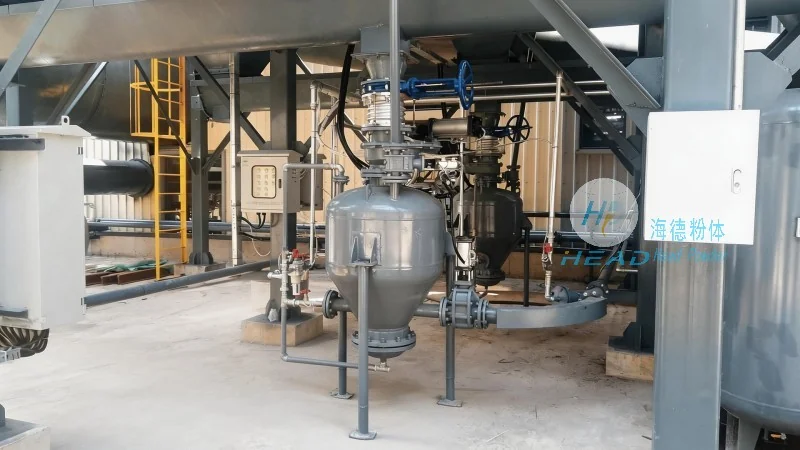
The pneumatic conveying machine for wheat bran material typically comprises several critical components that function in unison to ensure smooth material transport. The main components include a hopper for material storage, a feeder to regulate the flow rate, a conveying pipeline, a blower or compressor to generate the air flow, and a receiver for the discharged material. Each component contributes significantly to the overall system performance.
The operation of the wheat bran material pneumatic conveying machine is based on the principle of air suspension and pressure differential. The process initiates with the material being fed from the hopper into the conveying pipeline. Concurrently, the blower generates a high-pressure air stream that flows through the pipeline. As the air flows, it creates a low-pressure zone that draws the wheat bran particles into the air stream, forming a suspension. This suspension of material and air is then transported through the pipeline to the receiver. The air flow continues until the material reaches the destination, where it is separated from the air and collected in the receiver. The air is then filtered and recycled back into the system, ensuring energy efficiency and minimal waste.
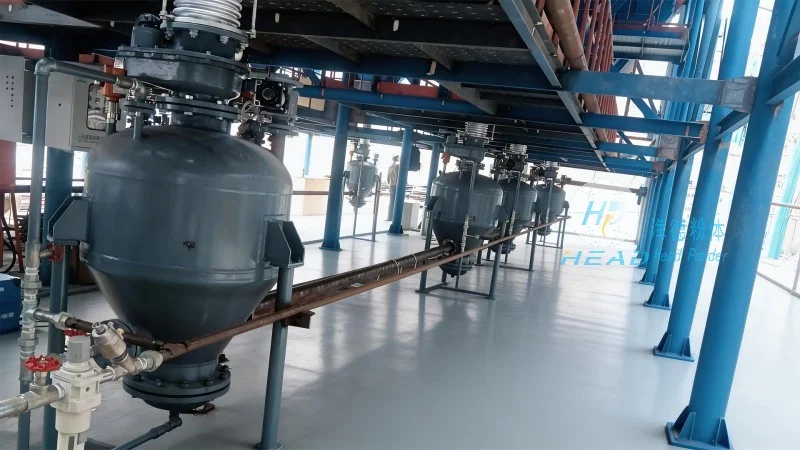
The operation process of the wheat bran pneumatic conveying machine involves several sequential steps that ensure consistent and efficient material handling. First, the wheat bran is loaded into the hopper, which is equipped with a level indicator to monitor the material volume. Next, the feeder is activated to control the discharge rate of the material into the conveying pipeline. The blower is then started, generating the necessary air pressure to initiate the conveying process. As the material is drawn into the air stream, it travels through the pipeline to the receiver. The receiver is designed to separate the wheat bran from the air, typically using a cyclone separator or a filter system. The separated material is collected in the receiver, while the air is filtered and returned to the blower for reuse. This closed-loop system minimizes energy consumption and reduces the risk of material spillage or contamination.
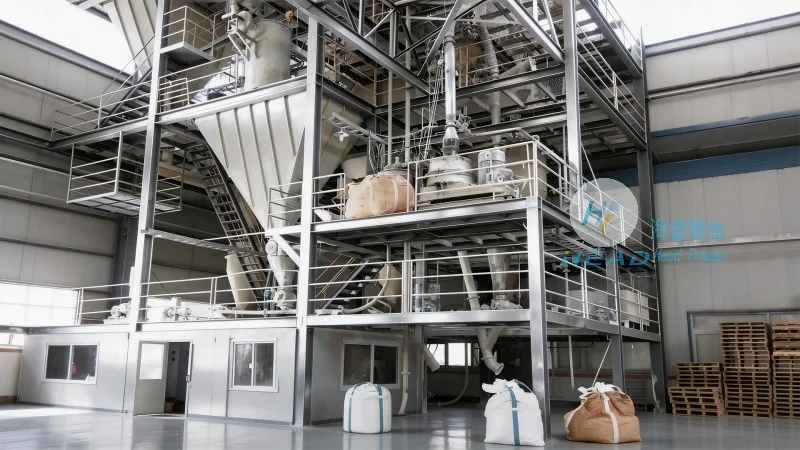
Employing a pneumatic conveying machine for wheat bran material offers several advantages over traditional methods such as belt conveyors or bucket elevators. Firstly, it provides a dust-free and hygienic environment, which is essential for food processing applications where product purity is paramount. Secondly, the system is compact and can be installed in confined spaces, making it suitable for facilities with limited floor area. Thirdly, the operation is continuous and automated, reducing labor costs and increasing production throughput. Additionally, the system is easy to maintain and clean, as the components are designed for easy access and inspection. These advantages make the pneumatic conveying machine an ideal choice for handling wheat bran in various industrial applications.
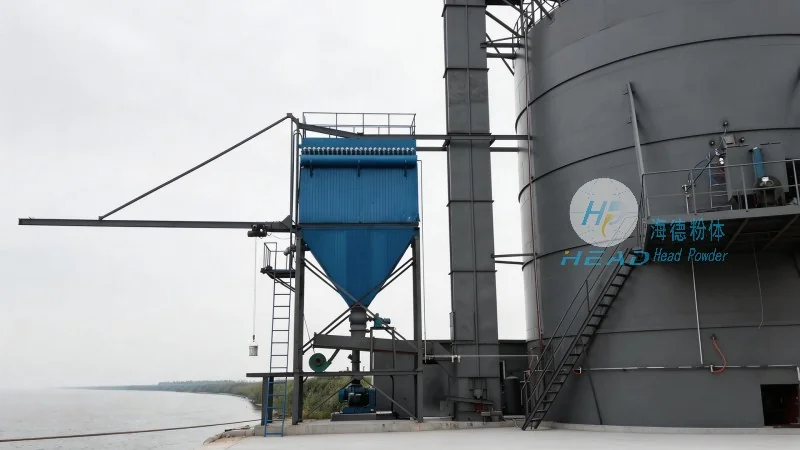
The wheat bran material pneumatic conveying machine is widely used in different industries due to its versatility and efficiency. In the food industry, it is commonly used to transport wheat bran from storage silos to processing lines for use in bread, cakes, and other baked goods. In the animal feed industry, it is employed to move wheat bran to feed mills, where it is mixed with other ingredients to produce high-quality animal feed. In the biofuel sector, the machine is used to transport wheat bran to biorefineries for conversion into bioethanol or other renewable energy sources. These applications highlight the machine's adaptability and its ability to meet the specific needs of different industries.
To ensure the long-term reliability and efficiency of the wheat bran pneumatic conveying machine, regular maintenance and proper operational practices are essential. Regular cleaning of the hopper, feeder, and pipeline is crucial to prevent material buildup and blockages. The blower and other moving parts should be inspected periodically for wear and tear, and lubricated as needed. The air filter system should be checked and replaced as per the manufacturer's recommendations to maintain air quality and prevent clogging. Additionally, monitoring the system's pressure and flow rates can help identify any issues early, allowing for timely maintenance. Following these tips can help extend the machine's lifespan and ensure consistent performance.

 Shandong Headpowder Engineering Co., Ltd.
 156-6277-7102(Manager Zhang)
  0531-83386006
  Zhangqiu District, Jinan City, Shandong Province, China
telephone
WeChatconsult
top