

Inert Gas Circulating Material Pneumatic Conveying System: Operation Process and Working Principle
Shandong HeadPowder Engineering Co., Ltd., commonly known as headpowder, is a professional manufacturer specializing in the design and production of advanced material handling equipment. The company is headquartered in Shandong, China, and has established a strong reputation in the industry for its innovative solutions tailored to the needs of various industrial sectors. This article focuses on the operation process and working principle of the inert gas circulating material pneumatic conveying system, a key product offered by headpowder.
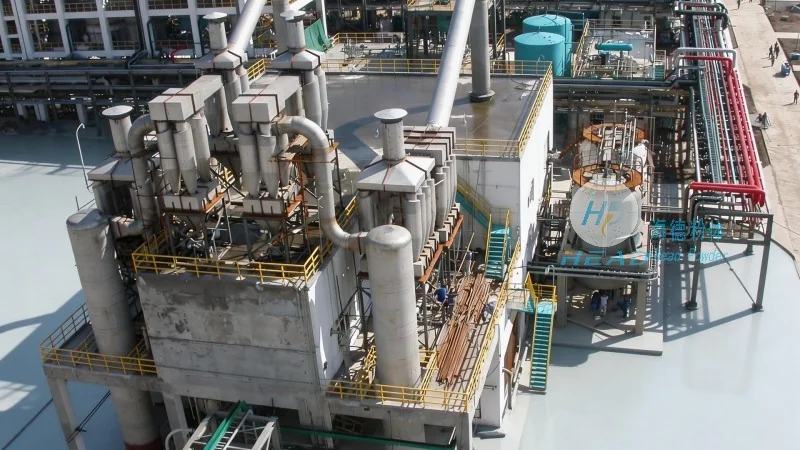
Overview of the Inert Gas Circulating Material Pneumatic Conveying System
The inert gas circulating material pneumatic conveying system is a sophisticated piece of equipment designed to transport bulk materials efficiently and safely. It utilizes inert gases, such as nitrogen or carbon dioxide, to create a closed-loop conveying environment, which is particularly beneficial for handling materials that are sensitive to oxidation or require a controlled atmosphere. The system is engineered to minimize material degradation, reduce dust emissions, and enhance overall operational safety. By integrating advanced control systems and durable components, headpowder ensures that this equipment meets the highest standards of performance and reliability.
Operation Process of the Inert Gas Circulating Material Pneumatic Conveying System
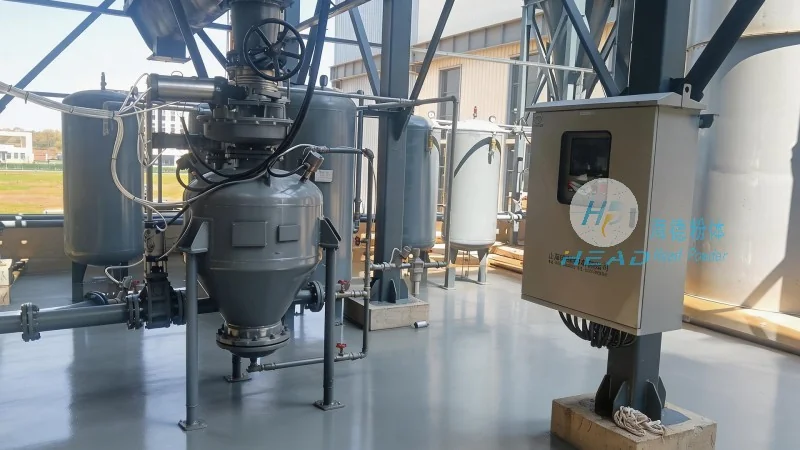
The operation of the inert gas circulating material pneumatic conveying system involves several key steps that ensure smooth and continuous material transport. The process begins with the preparation of the material to be conveyed, which may include pre-sizing or pre-drying to optimize handling characteristics. Next, the inert gas is introduced into the system, typically through a gas compressor or a dedicated gas supply unit. The gas circulates within the conveying pipeline, creating a pressure differential that draws the material from the source hopper into the system. As the material is drawn into the pipeline, it is mixed with the circulating gas, forming a dense phase or dilute phase flow depending on the system configuration. The conveying line may include various components such as bends, filters, and pressure relief valves to manage the flow and maintain system integrity. The material is then discharged at the receiving end, where it is separated from the gas and collected in a designated container. Throughout the operation, the system's control panel monitors parameters like pressure, flow rate, and gas consumption, allowing for real-time adjustments to maintain optimal performance. This automated control ensures consistent and reliable material transport, minimizing downtime and maximizing productivity.
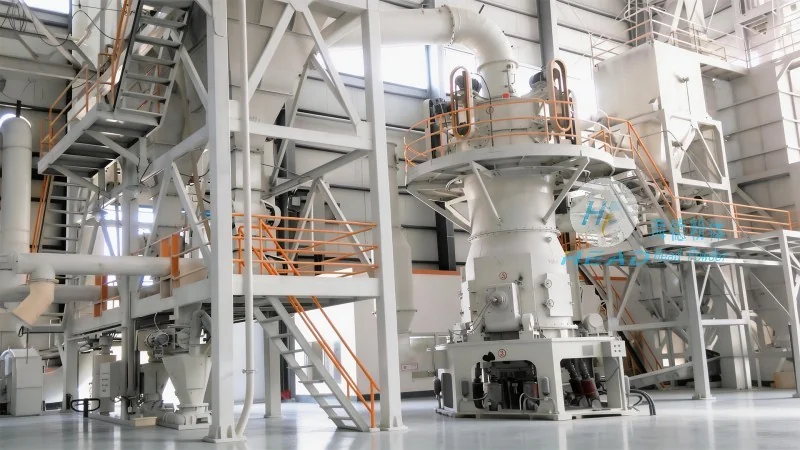
Working Principle of the Inert Gas Circulating Material Pneumatic Conveying System
The working principle of the inert gas circulating material pneumatic conveying system is based on the fundamental principles of fluid dynamics and gas-solid interaction. The system operates by creating a pressure difference between the source and the destination points, which drives the material through the conveying pipeline. The inert gas serves as the medium that carries the material, providing the necessary momentum and preventing material degradation. The closed-loop design of the system ensures that the gas is continuously recycled, reducing energy consumption and minimizing environmental impact. The system's components, including the gas compressor, conveying pipes, and control valves, work in harmony to maintain a stable flow of material and gas. The gas flow rate is carefully controlled to match the material's characteristics, ensuring that the conveying process is efficient and effective. By leveraging the properties of inert gases, the system provides a safe and reliable method for transporting materials that are otherwise difficult to handle using traditional methods. This approach not only enhances operational efficiency but also contributes to a safer working environment by reducing dust exposure and minimizing the risk of fire or explosion in sensitive applications.
Key Features and Advantages of the System
Headpowder's inert gas circulating material pneumatic conveying system offers several advantages that make it an ideal choice for industrial applications. One of the primary benefits is the ability to handle materials that are sensitive to moisture or oxidation, as the inert gas atmosphere prevents these issues. The system also reduces dust emissions, contributing to better air quality and compliance with environmental regulations. Additionally, the closed-loop design minimizes energy consumption compared to open-loop systems, making it more cost-effective and environmentally friendly. The advanced control system allows for precise monitoring and adjustment of the conveying process, ensuring consistent material quality and reducing the risk of product contamination. The robust construction of the equipment ensures long-term durability and low maintenance costs, providing a reliable solution for continuous material handling operations. These features collectively make the system a versatile and efficient choice for various industries, including food processing, pharmaceuticals, and chemical manufacturing.
Application Examples and Industry Impact
The inert gas circulating material pneumatic conveying system is widely used in industries where material handling requires precision, safety, and efficiency. For example, in the food and beverage industry, it is used to transport ingredients such as flour, sugar, and spices, ensuring that the materials remain fresh and free from contamination. In the pharmaceutical sector, the system is employed to handle active pharmaceutical ingredients (APIs) and other sensitive materials, maintaining the integrity of the product and adhering to stringent quality standards. The chemical industry also benefits from this technology, as it allows for the safe transport of reactive chemicals and powders without the risk of ignition or explosion. By providing a reliable and controlled method of material transport, headpowder's system enhances productivity and reduces operational risks for businesses across various sectors. The system's adaptability to different material types and processing requirements makes it a versatile solution that can be customized to meet specific industrial needs.
Conclusion and Future Developments
Shandong HeadPowder Engineering Co., Ltd. continues to innovate in the field of material handling equipment, with the inert gas circulating material pneumatic conveying system being a testament to their commitment to quality and efficiency. The system's operation process and working principle are designed to provide optimal performance, safety, and reliability for industrial applications. As technology advances, headpowder is exploring further enhancements to the system, such as integrating smart sensors and AI-driven control systems to improve predictive maintenance and operational efficiency. These developments aim to further reduce costs, enhance safety, and increase the overall productivity of material handling operations. With a strong focus on customer needs and industry standards, headpowder remains at the forefront of providing advanced solutions for the material handling industry.