With more than 10‑year industry experience, Shandong Headpowder delivers full‑service pneumatic‑conveying systems and blowers, undertaking nationwide turn‑key powder‑handling projects.
HeadPowder, a leading engineering company based in Shandong, China, specializes in the design and implementation of advanced pneumatic conveying systems tailored for soybean feed materials. These systems are crucial for efficient material handling in feed production facilities, ensuring smooth and reliable transport of bulk materials from storage to processing units. The following sections detail the operational process and underlying principles of such systems, highlighting key components and their functions.
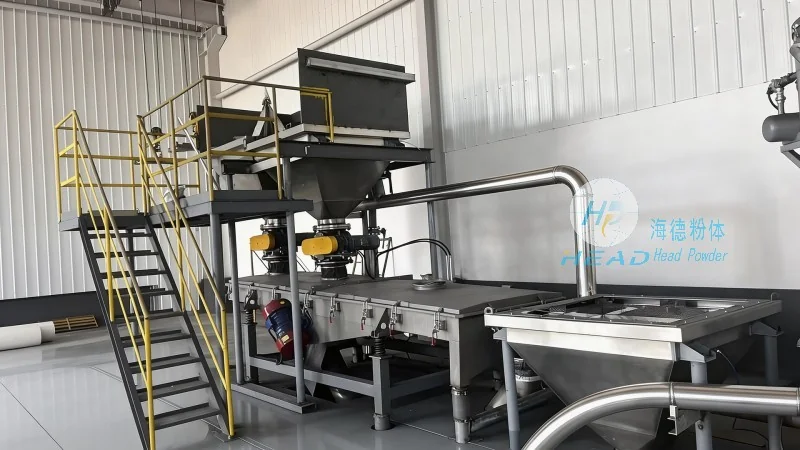
The pneumatic conveying line for soybean feed materials typically consists of several essential components that work in concert to achieve efficient material transport. These include a hopper or storage silo for raw material storage, a feeder to control the flow rate of the material, a conveying pipeline, a pressure vessel or receiver to collect the material at the destination, and a blower or air compressor to generate the necessary airflow. Each component plays a critical role in maintaining the system's efficiency and preventing material degradation or blockages.
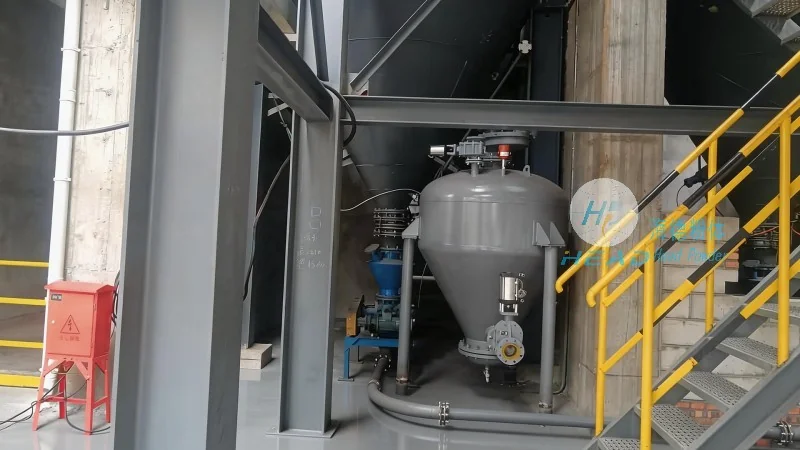
The core principle of pneumatic conveying is the use of air to move bulk materials through a pipeline. In the case of soybean feed materials, the process begins with the material being discharged from the storage hopper into the feeder. The feeder regulates the flow rate, ensuring a consistent feed into the conveying pipeline. Simultaneously, the blower generates a high-velocity airflow that travels through the pipeline, creating a negative pressure or positive pressure environment depending on the system design. This airflow entrains the soybean feed particles, carrying them along the pipeline to the receiving vessel. The receiving vessel collects the material and may include a discharge valve or conveyor to transfer it to the next stage of processing. The system's efficiency is determined by factors such as airflow velocity, material characteristics, and pipeline design, all of which are optimized to minimize energy consumption and maximize material throughput.
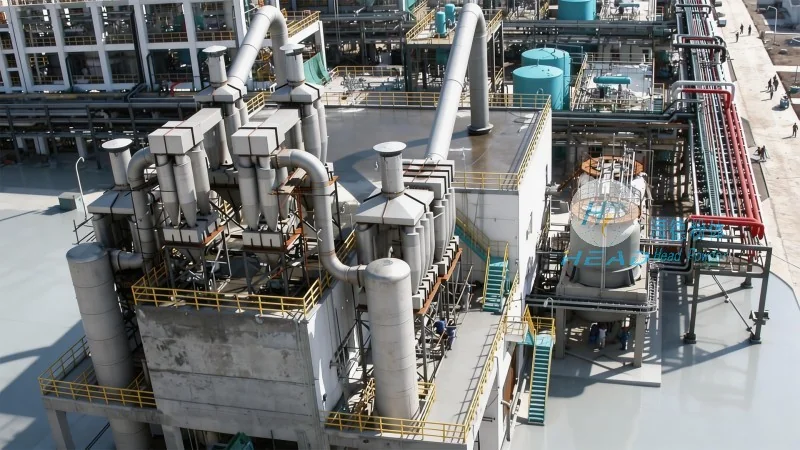
The operational process of the pneumatic conveying line for soybean feed materials can be broken down into several sequential steps. First, the raw soybean feed is loaded into the storage hopper or silo, where it is stored under controlled conditions to prevent moisture absorption or spoilage. Next, the feeder is activated, and the material is drawn from the hopper into the conveying pipeline. The blower then starts, generating the required airflow that propels the material through the pipeline. As the material travels, it is continuously monitored for flow rate and pressure, with adjustments made as needed to maintain optimal performance. Upon reaching the receiving vessel, the material is collected and may be further processed or stored for later use. The entire process is automated, with sensors and control systems ensuring consistent operation and preventing system failures or material blockages. Regular maintenance of the components, such as the blower, feeder, and pipeline, is essential to maintain the system's efficiency and longevity.
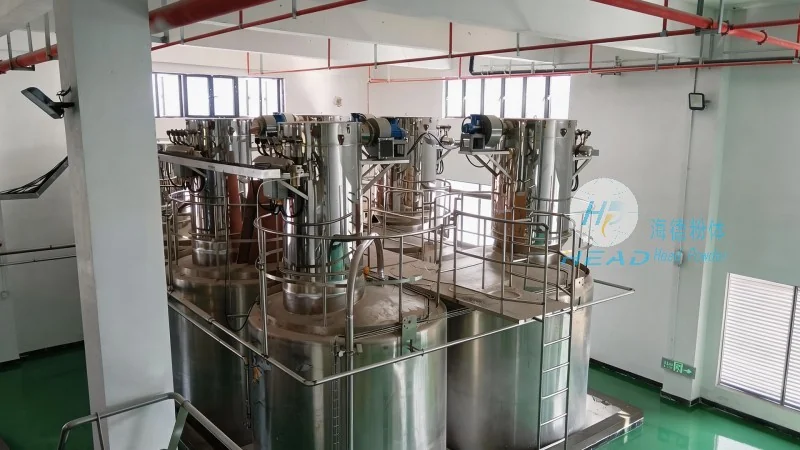
Pneumatic conveying systems offer several advantages when handling soybean feed materials. These include the ability to transport materials over long distances without the need for intermediate transfer points, reducing the risk of contamination and material loss. The enclosed pipeline system also prevents dust emissions, improving workplace safety and environmental compliance. Additionally, the system can handle a wide range of material sizes and densities, making it versatile for various feed production applications. The automated nature of the system reduces labor costs and increases operational efficiency, while the consistent flow rate ensures that processing equipment operates at optimal levels. Overall, pneumatic conveying is a reliable and efficient method for handling soybean feed materials, contributing to the smooth operation of feed production facilities.

 Shandong Headpowder Engineering Co., Ltd.
 156-6277-7102(Manager Zhang)
  0531-83386006
  Zhangqiu District, Jinan City, Shandong Province, China
telephone
WeChatconsult
top