Operation Process and Working Principle of Pneumatic Conveying Equipment for Pulp Material
Release time:2026-09-21 15:01:46
name of the company:Shandong Headpowder Engineering Co., Ltd.
telephone:156-6277-7102
contacts:Manager Zhang
HeadPowder, a leading manufacturer based in Shandong, China, specializes in the design and production of advanced pneumatic conveying systems tailored for pulp material handling. This article delves into the operational process and underlying working principles of such equipment, providing a comprehensive understanding for industry professionals and potential clients.
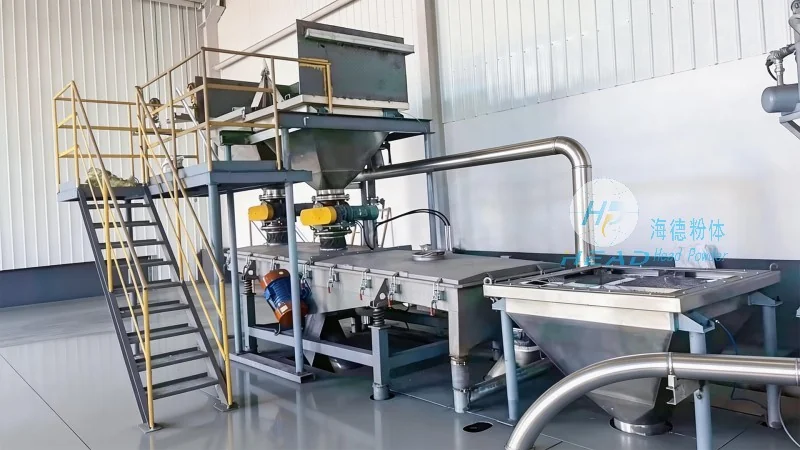
Introduction to Pneumatic Conveying Systems for Pulp Material
Pneumatic conveying equipment is a critical component in modern material handling, offering efficient and flexible solutions for transporting bulk materials like pulp. Unlike traditional mechanical conveyors, pneumatic systems utilize air or gas to move materials through a pipeline network. This method is particularly advantageous for handling delicate or dusty materials, as it minimizes product degradation and reduces the risk of contamination. HeadPowder's expertise lies in developing customized solutions that optimize the conveying process for specific industrial applications.
Key Components of Pneumatic Conveying Machines
The effectiveness of a pneumatic conveying system for pulp material depends on several key components, each playing a vital role in the overall operation. These components include:
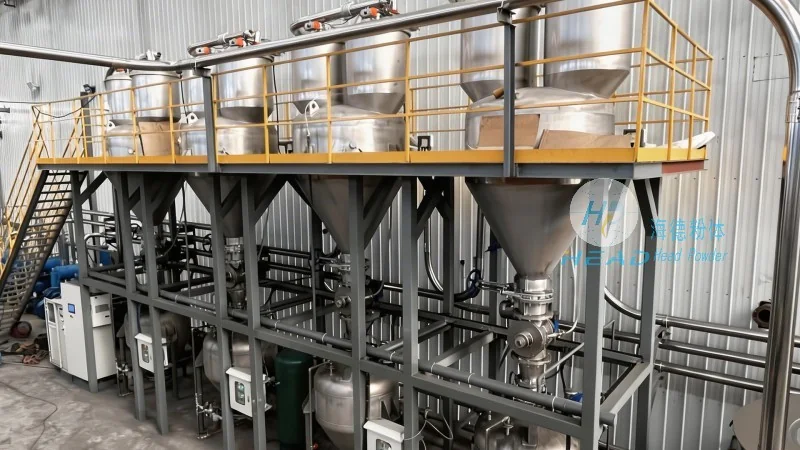
- Feed Hopper: A container that stores the pulp material and feeds it into the system at a controlled rate. The hopper is designed to prevent material bridging and ensure a steady flow.
- Conveying Line: The main pipeline through which the material is transported. The line is typically made of durable materials like stainless steel or plastic to withstand the abrasive nature of pulp and prevent corrosion.
- Blower or Air Compressor: The power source that generates the airflow necessary to move the material. The choice between a blower and a compressor depends on the system's pressure requirements and the distance the material needs to travel.
- Control Valves and Regulators: These components manage the air pressure and flow rate, ensuring optimal performance and preventing system overload or material blockages.
- Receiver or Discharge Hopper: The final container where the conveyed pulp is collected. It is designed to handle the material's characteristics and facilitate easy unloading.
The Working Principle of Pneumatic Conveying for Pulp Material
The operation of a pneumatic conveying machine for pulp material involves a sequence of steps that convert the material from a static state to a flowing state using air pressure. The process begins when the feed hopper releases the pulp into the conveying line. Simultaneously, the blower or air compressor generates a high-pressure airflow that enters the line. As the air flows through the pipeline, it entrains the pulp particles, creating a slurry-like mixture known as a "pneumatic stream." This stream travels through the conveying line to the receiver hopper, where the air is separated from the material, and the pulp is deposited.
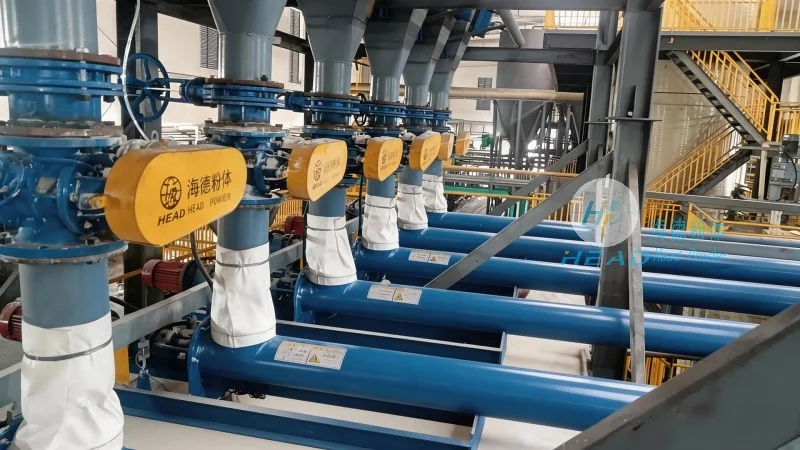
Operation Process of Pneumatic Conveying Equipment
The operational process of a pneumatic conveying system for pulp material is a continuous cycle that ensures efficient material transport. The steps involved are as follows:
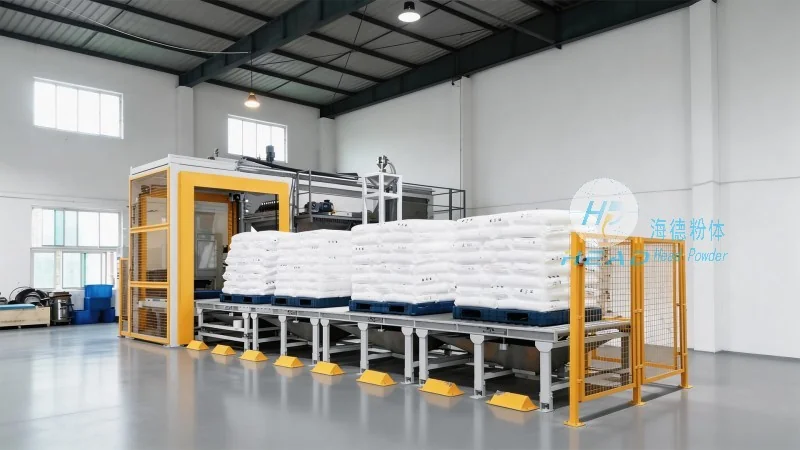
- Material Loading: The pulp material is loaded into the feed hopper from a storage silo or other bulk handling equipment. The hopper's design ensures uniform material distribution and prevents clogging.
- Air Compression: The blower or air compressor starts, generating the required air pressure. The pressure is regulated to match the system's design specifications, ensuring consistent airflow.
- Material Conveying: The feed valve opens, allowing the pulp to enter the conveying line. The air flow entrains the material, and the mixture moves through the pipeline to the receiver hopper. The velocity of the air is critical; it must be sufficient to lift and transport the pulp without causing excessive wear on the system components.
- Material Discharge: Upon reaching the receiver hopper, the air is separated from the pulp. The pulp is collected in the hopper, while the air is either vented to the atmosphere or recirculated, depending on the system's design. The receiver hopper may be equipped with a discharge valve to allow the material to be transferred to downstream processes, such as drying or packaging.
- System Monitoring and Control: Throughout the operation, the system is monitored for pressure, flow rate, and material level. Control valves and sensors adjust the air pressure and feed rate as needed to maintain optimal performance. This feedback loop ensures the system operates efficiently and prevents issues like blockages or overloading.
Advantages of Pneumatic Conveying for Pulp Material Handling
Implementing pneumatic conveying systems for pulp material offers several advantages over traditional methods. These benefits include:
- Efficiency and Speed: Pneumatic systems can transport large volumes of pulp over long distances in a short period, improving overall production throughput.
- Flexibility: The equipment can be easily reconfigured or expanded to accommodate changes in production needs or facility layout.
- Reduced Downtime: By minimizing the need for manual handling and reducing the risk of material blockages, pneumatic systems lower maintenance requirements and downtime.
- Product Protection: The enclosed pipeline system prevents dust and contamination, preserving the quality of the pulp material.
- Space Savings: Unlike traditional conveyors, pneumatic systems require less floor space, making them ideal for facilities with limited room for equipment.
Conclusion and Company Overview
HeadPowder Engineering Co., Ltd., based in Shandong, China, is a trusted provider of pneumatic conveying equipment for pulp material handling. With a focus on innovation and customer satisfaction, the company designs and manufactures customized solutions that meet the specific needs of its clients. By understanding the operational process and working principles of pneumatic conveying systems, industries can optimize their material handling processes, enhance efficiency, and improve product quality. HeadPowder's expertise ensures that clients receive reliable and efficient equipment that contributes to their operational success.

 Shandong Headpowder Engineering Co., Ltd.
 156-6277-7102(Manager Zhang)
  0531-83386006
  Zhangqiu District, Jinan City, Shandong Province, China