With more than 10‑year industry experience, Shandong Headpowder delivers full‑service pneumatic‑conveying systems and blowers, undertaking nationwide turn‑key powder‑handling projects.
For industries dealing with coating materials, efficient material handling is crucial to maintain production efficiency and product quality. Pneumatic conveying systems, specifically designed for coating powders and liquids, offer a reliable solution that minimizes contamination and ensures smooth material transfer. This article explores the operation process and working principles of such equipment, highlighting how it integrates with industrial processes to enhance operational performance.
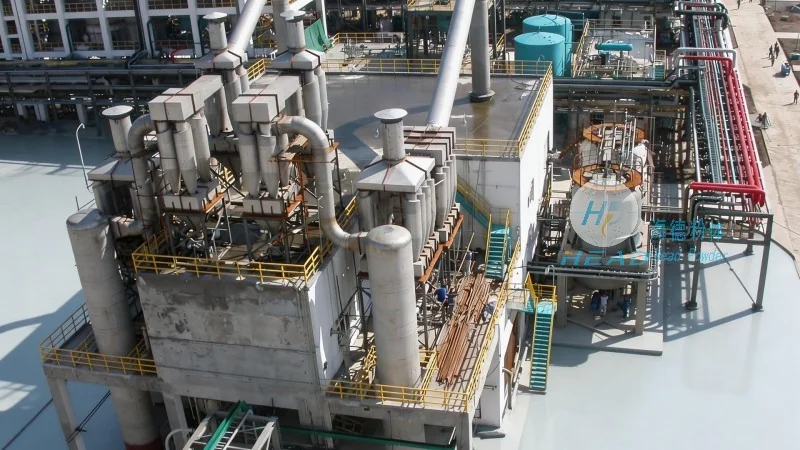
Coating materials, including pigments, resins, and additives, often require precise handling to prevent agglomeration and maintain their chemical properties. Traditional methods like bucket elevators or belt conveyors may introduce friction and heat, which can degrade the material quality. Pneumatic conveying systems, on the other hand, use air or gas to transport materials in a closed or open system, providing a clean and controlled environment. This technology is widely adopted in the paint, coatings, and pharmaceutical industries due to its ability to handle fine powders and liquids without the need for mechanical contact.
The pneumatic conveying equipment for coating materials typically consists of several key components that work in tandem to ensure efficient material transfer. These components include the hopper or feeder, the conveying line (either positive or negative pressure), the air compressor or vacuum pump, and the receiver or discharge unit. Each component plays a critical role in the overall operation, and their proper integration is essential for optimal performance.
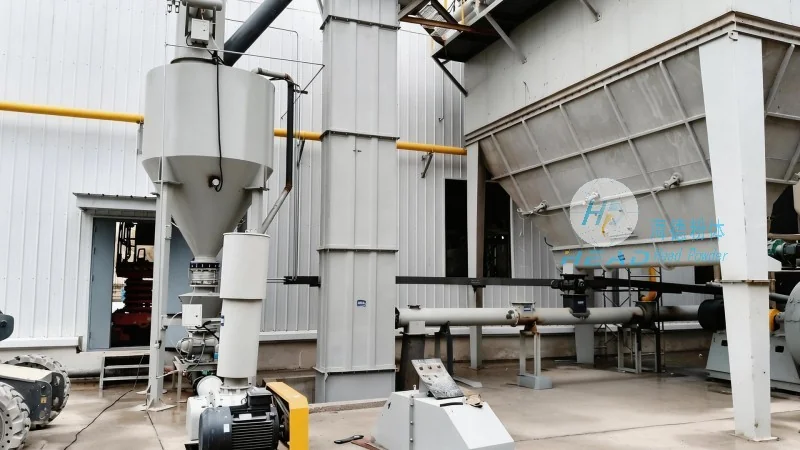
The operation of a pneumatic conveying system for coating materials involves several sequential steps that ensure smooth and continuous material flow. The process begins with material loading into the hopper or feeder, where the material is stored and prepared for transport. The feeder then regulates the flow rate, ensuring a consistent supply of material to the conveying line. Next, the air compressor or vacuum pump generates the necessary pressure or vacuum to move the material through the pipeline. The material is then carried by the air stream, either in a dense phase (where particles are closely packed) or a dilute phase (where particles are dispersed in the air). The conveying line may include bends, valves, and filters to direct the material to the receiver or discharge point. Finally, the material is deposited into the receiver, where it is collected and prepared for further processing.
Pneumatic conveying systems for coating materials can operate using either positive pressure or negative pressure, depending on the application and material characteristics. Positive pressure systems use an air compressor to force air and material through the pipeline, creating a high-pressure environment that pushes the material forward. This method is suitable for long-distance conveying and handling abrasive materials. Negative pressure systems, on the other hand, use a vacuum pump to create a low-pressure environment that draws the material into the pipeline. This approach is ideal for applications requiring minimal material degradation and is commonly used for short-distance conveying of fine powders.
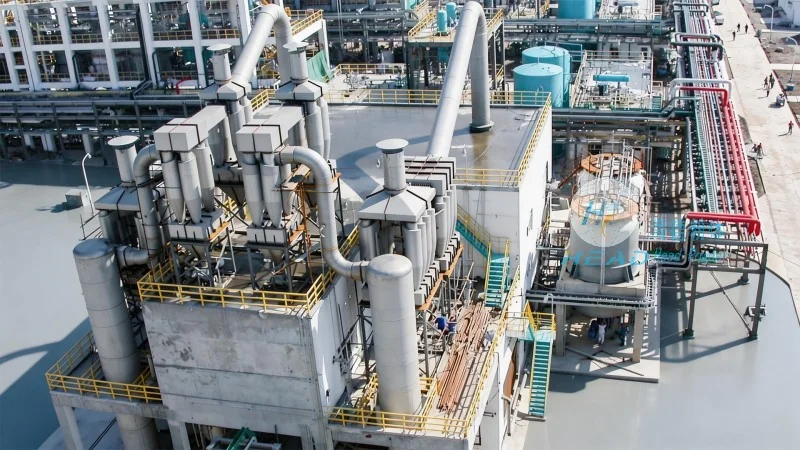
Implementing a pneumatic conveying system for coating materials offers several advantages over traditional handling methods. First, it reduces material contamination by eliminating mechanical contact, which is critical for maintaining the purity of pigments and additives. Second, it minimizes product degradation by avoiding friction and heat, ensuring that the material retains its chemical properties. Third, the closed system design prevents dust emissions and improves workplace safety. Additionally, pneumatic conveying systems are highly flexible, allowing for easy integration with existing production lines and adaptation to varying material flow rates.
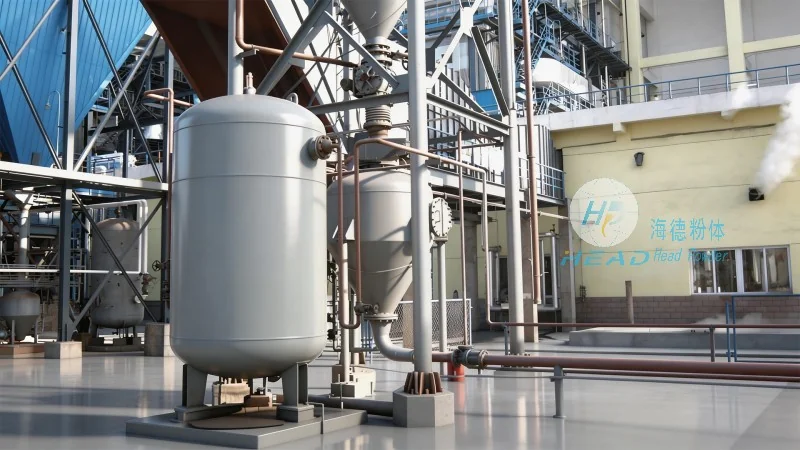
HeadPowder, a leading manufacturer of pneumatic conveying equipment, provides customized solutions tailored to the specific needs of coating manufacturers. For example, a paint production facility may use a positive pressure system to transport pigment powders from storage silos to the mixing tank, ensuring a consistent and controlled flow. In another application, a coating manufacturer might use a negative pressure system to convey liquid coatings from a storage tank to the application line, maintaining the material's viscosity and preventing air bubbles. These applications demonstrate how pneumatic conveying systems enhance production efficiency and product quality in the coating industry.
Pneumatic conveying equipment for coating materials is a vital component in modern coating production, offering efficient, clean, and reliable material handling solutions. By understanding the operation process and working principles of such systems, coating manufacturers can optimize their production lines and improve overall operational performance. HeadPowder Engineering Co., Ltd., based in Shandong, China, specializes in designing and manufacturing high-quality pneumatic conveying systems tailored to the unique requirements of the coating industry. With a focus on innovation and customer satisfaction, HeadPowder provides reliable solutions that enhance productivity and product quality for coating manufacturers worldwide.

 Shandong Headpowder Engineering Co., Ltd.
 156-6277-7102(Manager Zhang)
  0531-83386006
  Zhangqiu District, Jinan City, Shandong Province, China
telephone
WeChatconsult
top