With more than 10‑year industry experience, Shandong Headpowder delivers full‑service pneumatic‑conveying systems and blowers, undertaking nationwide turn‑key powder‑handling projects.
Slag material pneumatic conveying equipment is a crucial piece of industrial machinery used in various sectors for the efficient transportation of slag materials. This equipment, manufactured by Shandong HeadPowder Engineering Co., Ltd. based in Shandong, China, operates by utilizing air pressure to move bulk materials through a pipeline system. Understanding its operation process and working principle is essential for optimizing performance and ensuring safe, reliable material handling in industrial applications.
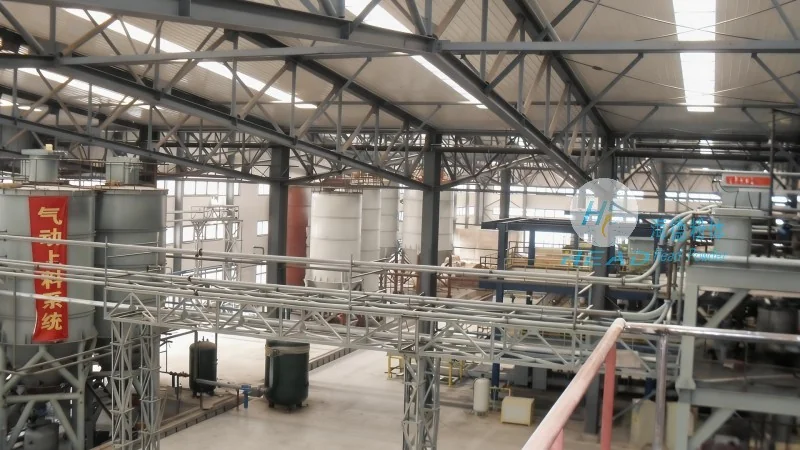
Slag, a byproduct of metal smelting processes, often requires specialized handling due to its abrasive and sometimes hazardous nature. Pneumatic conveying systems offer a solution by eliminating the need for mechanical components like belts or buckets that can wear out quickly when dealing with such materials. The equipment typically consists of a hopper for material storage, a blower or compressor to generate airflow, a pipeline network, and a receiver or discharge point. Each component plays a vital role in the overall conveying process, ensuring that slag is transported efficiently from the source to the destination without compromising on safety or material integrity.
The core components of a slag material pneumatic conveying system include the material hopper, which holds the slag and feeds it into the system; the air supply unit, which provides the necessary pressure and volume of air to move the material; the pipeline system, which forms the pathway for both air and material; and the discharge unit, which collects the conveyed slag at the end of the pipeline. The material hopper is designed with a feeding mechanism, such as a rotary valve or a screw feeder, to control the flow of slag into the system. The air supply unit, often a centrifugal blower or a positive displacement blower, generates the airflow required to entrain the slag particles. The pipeline system is made of durable materials like stainless steel or high-density polyethylene to withstand the abrasive nature of slag and the pressure from the air flow. The discharge unit may include a receiver tank or a silo to collect the conveyed material, and sometimes a dust collection system to control airborne particles.
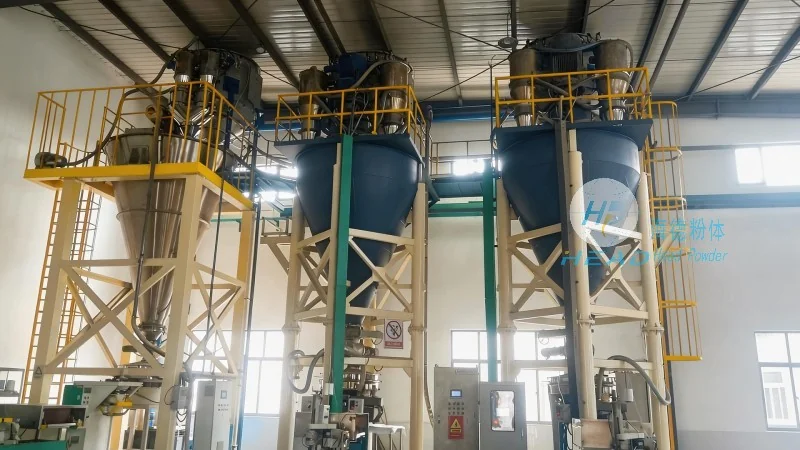
The operation of slag material pneumatic conveying equipment is based on the principle of pneumatic transport, where solid particles are suspended and carried by a moving air stream. The process begins when the material hopper is filled with slag, and the feeding mechanism starts to release the material into the pipeline. Simultaneously, the air supply unit activates, generating a high-velocity air flow that enters the pipeline. As the air flows through the pipeline, it entrains the slag particles, creating a mixture of air and material known as a slurry or a dense phase flow. The velocity of the air is critical; it must be sufficient to lift and transport the slag particles without causing excessive wear on the pipeline or components. The conveying system can operate in either dilute phase or dense phase modes. In dilute phase conveying, the air velocity is high, and the material is carried as individual particles in the air stream. In dense phase conveying, the air velocity is lower, and the material is transported in a more concentrated form, reducing the risk of material degradation and pipeline blockages.
The operation process of slag material pneumatic conveying equipment involves several sequential steps that ensure smooth and continuous material transport. First, the material hopper is filled with slag, and the feeding mechanism is activated to control the flow rate. Second, the air supply unit is started, and the airflow is adjusted to the appropriate pressure and volume. Third, the material is released from the hopper and is entrained by the air flow, entering the pipeline. Fourth, the material travels through the pipeline network to the discharge point, where it is collected in the receiver or discharge unit. Fifth, the system may include a feedback mechanism to adjust the airflow or feeding rate based on the material flow, ensuring consistent performance. Finally, the system is shut down when the material is fully conveyed, and the air supply is turned off to prevent air leakage and maintain safety.
Compared to traditional mechanical conveying methods, slag material pneumatic conveying equipment offers several advantages that make it a preferred choice in industrial applications. One of the primary benefits is the ability to handle abrasive and corrosive materials without significant wear on the equipment components. The absence of moving parts like belts or chains reduces maintenance requirements and extends the equipment's lifespan. Additionally, pneumatic conveying systems can transport materials over long distances and through complex layouts, as the pipeline can be routed around obstacles and changes in elevation. The system also provides better control over the material flow, allowing for precise adjustment of the conveying rate and pressure. Furthermore, pneumatic conveying can be integrated with dust collection systems, reducing the environmental impact of slag handling and improving workplace safety. These advantages make the equipment suitable for various industries, including steel manufacturing, cement production, and waste management.
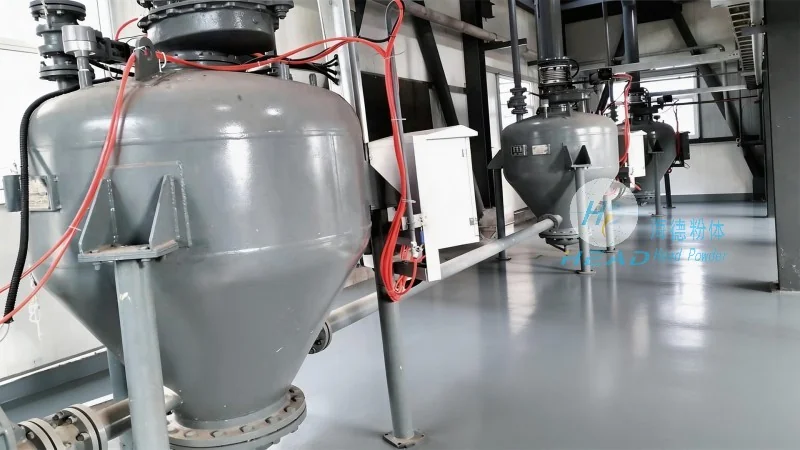
Proper maintenance and adherence to safety protocols are essential for the reliable operation of slag material pneumatic conveying equipment. Regular inspection of the pipeline system is necessary to check for any signs of wear, corrosion, or blockages that could affect the conveying process. The air supply unit and feeding mechanisms should be checked for proper functioning and adjusted as needed to maintain optimal performance. The material hopper and discharge unit should be cleaned regularly to prevent material buildup and ensure smooth operation. Safety considerations include the use of appropriate personal protective equipment (PPE) for operators, proper ventilation to control dust levels, and emergency shut-off systems in case of equipment failure. Shandong HeadPowder Engineering Co., Ltd. provides comprehensive maintenance services and technical support to ensure that the equipment operates safely and efficiently, minimizing downtime and maximizing productivity.
Slag material pneumatic conveying equipment, as manufactured by Shandong HeadPowder Engineering Co., Ltd. in Shandong, China, is a highly effective solution for the efficient and safe handling of slag materials. By understanding the operation process and working principle of this equipment, industrial facilities can optimize their material transport systems, reduce maintenance costs, and improve overall productivity. The equipment's ability to handle abrasive materials, transport over long distances, and integrate with dust control systems makes it a valuable asset in various industrial applications. With proper maintenance and adherence to safety guidelines, this equipment can provide reliable service for years, contributing to the smooth operation of industrial processes.

 Shandong Headpowder Engineering Co., Ltd.
 156-6277-7102(Manager Zhang)
  0531-83386006
  Zhangqiu District, Jinan City, Shandong Province, China
telephone
WeChatconsult
top