With more than 10‑year industry experience, Shandong Headpowder delivers full‑service pneumatic‑conveying systems and blowers, undertaking nationwide turn‑key powder‑handling projects.
At Shandong HeadPowder Engineering Co., Ltd., we specialize in the design and manufacturing of advanced air-driven conveyor systems tailored for the efficient handling of steel grit materials. These industrial solutions are engineered to transport abrasive, high-density particles with precision and reliability, addressing the unique challenges associated with steel grit processing. The air-driven conveyor, also known as a pneumatic conveyor, represents a modern approach to material handling, offering a dust-free, low-maintenance alternative to traditional mechanical systems. By leveraging compressed air as the primary transport medium, these systems ensure seamless movement of steel grit from the source to the processing or storage destination, making them indispensable in various industrial applications.
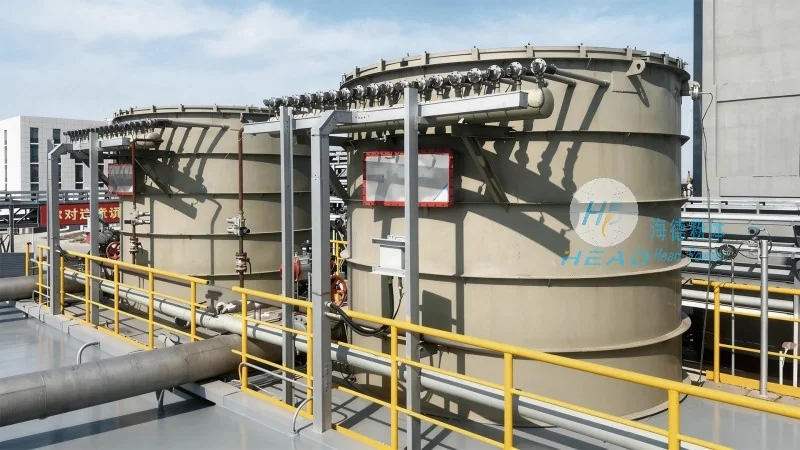
The fundamental working principle of the air-driven conveyor for steel grit materials revolves around the creation of a pressure differential using compressed air. The system comprises a hopper for material storage, a blower or compressor to generate the air flow, and a network of pipes equipped with inlets and outlets. When steel grit is introduced into the hopper, it is drawn into the pipeline by the moving air stream. The air velocity is carefully regulated to ensure that the particles are carried without excessive abrasion or damage, preserving the integrity of the steel grit. The design incorporates airlocks and check valves to prevent backflow and maintain consistent material flow, ensuring that the steel grit moves in a single, unidirectional direction. This pneumatic transport mechanism allows for continuous, high-volume material handling, minimizing downtime and operational disruptions. The system's efficiency is further enhanced by the use of high-quality materials for the pipeline and components, which are resistant to the corrosive and abrasive nature of steel grit.
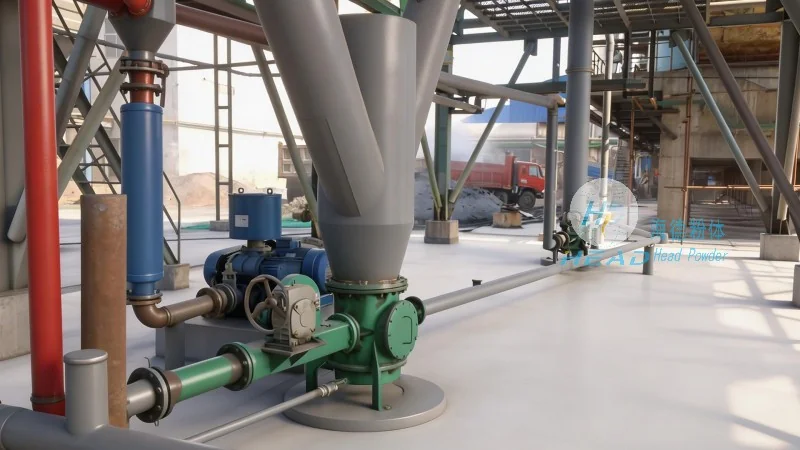
The operation of the air-driven conveyor for steel grit materials follows a systematic, step-by-step process that ensures optimal performance and reliability. Initially, the steel grit is loaded into the hopper at the starting point of the conveyor system. The hopper is equipped with a feeding mechanism, such as a rotary valve or screw feeder, which regulates the flow of material into the pipeline. Simultaneously, the blower or compressor activates, generating the necessary compressed air pressure. The air is directed into the pipeline, creating a high-velocity stream that pulls the steel grit particles into the system. As the particles travel through the pipeline, they are carried to the receiving hopper or processing unit at the end of the conveyor. The air flow is maintained at a consistent rate to avoid clogging or uneven transport, with monitoring devices tracking air pressure, material flow rate, and any potential blockages. Real-time adjustments can be made to maintain smooth operation, ensuring that the conveyor system operates at peak efficiency. This structured process highlights the precision and reliability of the air-driven conveyor, making it a preferred choice for steel grit handling in industrial settings.
Several critical components work in tandem to ensure the effective operation of the air-driven conveyor for steel grit materials. The hopper serves as the initial storage and feeding unit, designed with a sloped bottom to facilitate material flow and equipped with a level indicator to monitor the material level. The blower or compressor is the power source, sized to match the material flow rate and pipeline length to ensure sufficient air velocity for transporting the steel grit without excessive energy consumption. The pipeline network, constructed from durable materials like stainless steel or high-density polyethylene, is designed to withstand the abrasive nature of steel grit. It includes elbows, tees, and straight sections to guide the material along the desired path, with airlocks and check valves installed at critical points to prevent backflow and maintain the direction of material flow. These components, when properly maintained, contribute to the conveyor's long-term durability and low maintenance requirements, making it a cost-effective solution for steel grit processing.
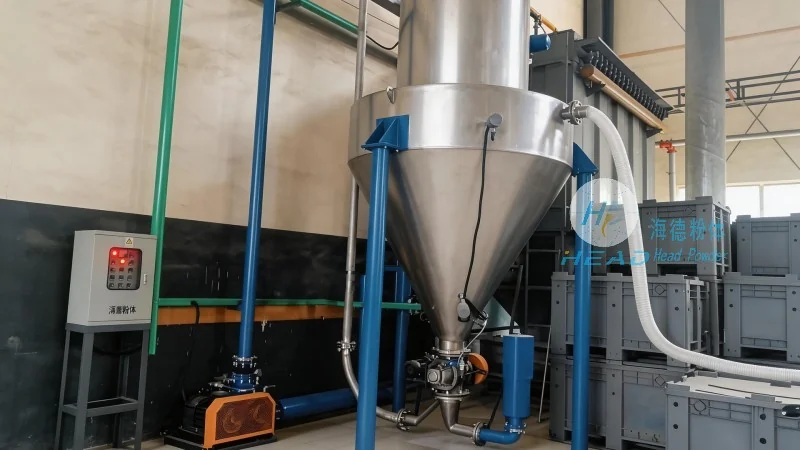
Implementing an air-driven conveyor for steel grit materials offers significant advantages over traditional mechanical conveyors. One of the primary benefits is the dust-free operation, as the system is fully enclosed and sealed, preventing the release of particles into the environment. This enhances workplace safety and reduces the need for additional dust control measures, contributing to a cleaner and more efficient industrial environment. The system is also highly flexible, allowing for changes in the conveyor layout without major infrastructure modifications. It can transport steel grit over long distances with minimal energy consumption, making it an economical choice for large-scale operations. Additionally, the air-driven conveyor is low-maintenance, with fewer moving parts and reduced wear on components compared to mechanical systems. The ability to handle abrasive materials without significant damage to the conveyor parts further enhances its durability and cost-effectiveness. These advantages collectively make the air-driven conveyor an ideal solution for steel grit processing, improving operational efficiency and reducing environmental impact.

 Shandong Headpowder Engineering Co., Ltd.
 156-6277-7102(Manager Zhang)
  0531-83386006
  Zhangqiu District, Jinan City, Shandong Province, China
telephone
WeChatconsult
top