

Operation Process and Working Principle of Riced Flour Material Pneumatic Conveying Line
Riced flour, a key ingredient in many food products, requires efficient and reliable handling to maintain quality and ensure smooth production. Pneumatic conveying lines offer an effective solution for transporting this delicate material from storage to processing areas. The system combines air flow with mechanical components to move the flour without direct contact, minimizing contamination and degradation. This article explores the operation process and working principle of a riced flour material pneumatic conveying line, highlighting the key components and how they function together to achieve optimal performance.
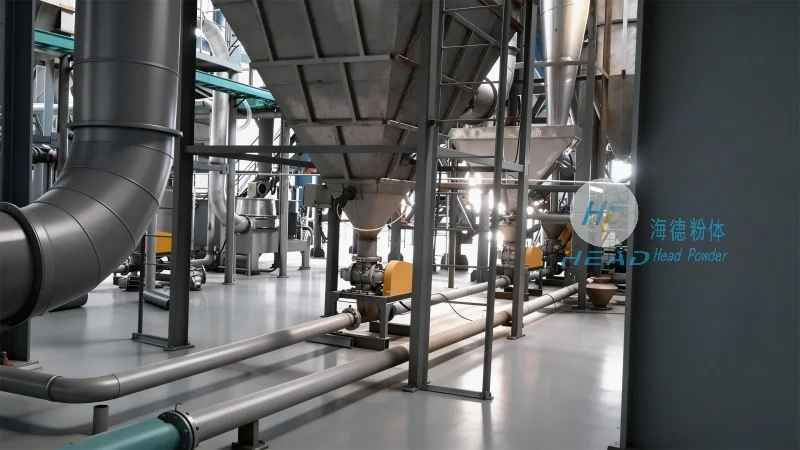
Key Components of the Pneumatic Conveying Line
The riced flour pneumatic conveying system typically consists of several essential components that work in tandem to facilitate material transport. These include a hopper for material storage, a rotary valve or feeder to control the flow rate, a conveyor pipeline system, a pressure vessel or receiver for product collection, and a dust collector to manage airborne particles. Each component plays a critical role in ensuring the system operates efficiently and safely. The hopper is designed to hold a sufficient quantity of riced flour, providing a consistent feed to the feeder. The rotary valve, often equipped with a variable speed drive, regulates the amount of flour entering the pipeline, preventing overloading and maintaining a steady flow. The conveyor pipeline, usually made of stainless steel or other corrosion-resistant materials, is designed to withstand the abrasive nature of the flour and the pressure of the air flow. The pressure vessel or receiver collects the conveyed flour and may include a level indicator to monitor the material volume. Finally, the dust collector removes any airborne particles, ensuring compliance with environmental regulations and maintaining a clean working environment.
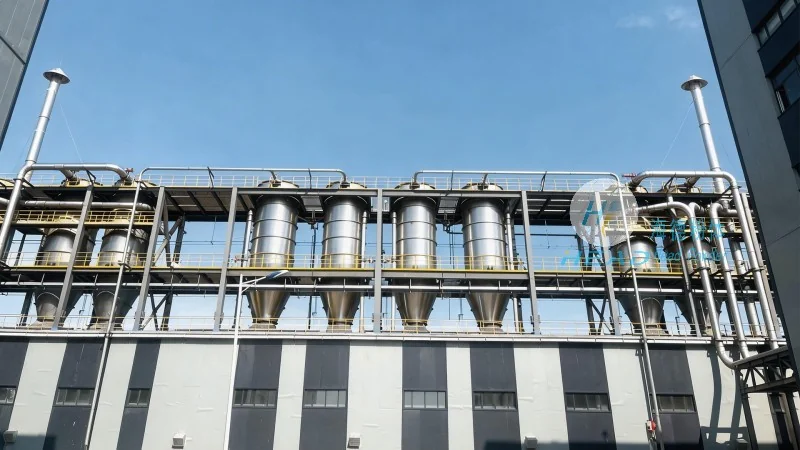
Operation Process of the Riced Flour Pneumatic Conveying Line
The operation of the riced flour pneumatic conveying line begins with the loading of the hopper. The riced flour is fed into the hopper from a storage silo or bagging area. Once the hopper is filled, the rotary valve starts to rotate, allowing a controlled amount of flour to fall into the conveyor pipeline. Simultaneously, a blower or compressor generates a high-pressure air stream that travels through the pipeline, creating a vacuum or positive pressure environment. This air flow pulls the flour particles along the pipeline, transporting them from the hopper to the pressure vessel or receiver. The speed of the air flow and the rotation speed of the rotary valve are adjusted to maintain a consistent flow rate, preventing blockages or excessive pressure buildup. As the flour moves through the pipeline, it may encounter a series of bends or elbows, which are designed with smooth transitions to minimize friction and prevent material accumulation. The pressure vessel or receiver is equipped with a discharge valve that opens when the vessel reaches a certain level, allowing the flour to be discharged into the next processing stage, such as a mixer or packaging machine. The entire process is automated, with sensors monitoring the flow rate, pressure, and level, ensuring that any deviations are immediately detected and corrected.
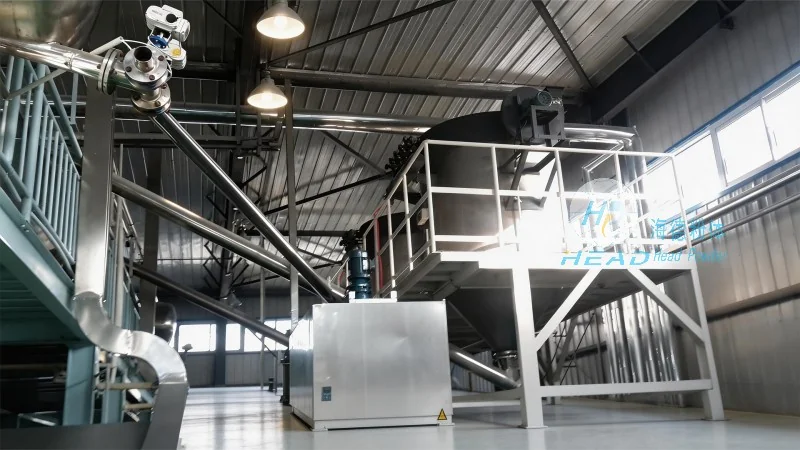
Working Principle of the Pneumatic Conveying System
The working principle of the riced flour pneumatic conveying line is based on the principle of fluidization and particle transport using air as the conveying medium. The system operates by creating a pressure differential between the hopper and the receiver. The blower or compressor supplies compressed air to the pipeline, which creates a high-velocity air stream. As the air flows through the pipeline, it interacts with the riced flour particles, lifting them off the pipeline walls and carrying them along. The key to efficient conveying is maintaining the right air-to-material ratio, which ensures that the particles are fully suspended in the air stream without settling or causing blockages. The rotary valve controls the feed rate, while the blower controls the air volume and pressure. The system may use either positive pressure or negative pressure (or a combination of both) depending on the application and the distance to be covered. Positive pressure systems are commonly used for short to medium distances, as they can handle higher air pressures and are less prone to air leakage. Negative pressure systems are used for longer distances or when the material needs to be transported from a higher to a lower elevation, as they create a vacuum that pulls the material through the pipeline. The dust collector is an integral part of the system, as it captures any airborne flour particles that escape the pipeline, preventing contamination of the environment and ensuring that the system operates within regulatory limits.
Benefits of Using a Riced Flour Pneumatic Conveying Line
Implementing a pneumatic conveying line for riced flour offers several advantages over traditional methods such as bucket elevators or belt conveyors. First, the system is fully enclosed, which prevents contamination from dust, moisture, or other external factors, maintaining the quality and purity of the flour. Second, the material is transported without direct contact, reducing the risk of damage to the particles and preserving their texture and flavor. Third, the system is highly efficient, with minimal energy consumption compared to other conveying methods. The automated control system ensures consistent flow rates and reduces the need for manual intervention, improving overall productivity. Fourth, the system is flexible and can be easily integrated into existing production lines, allowing for expansion or modification as production needs change. Finally, the system is safe and reliable, with built-in safety features such as pressure relief valves and emergency stop buttons to prevent accidents and ensure operator safety.
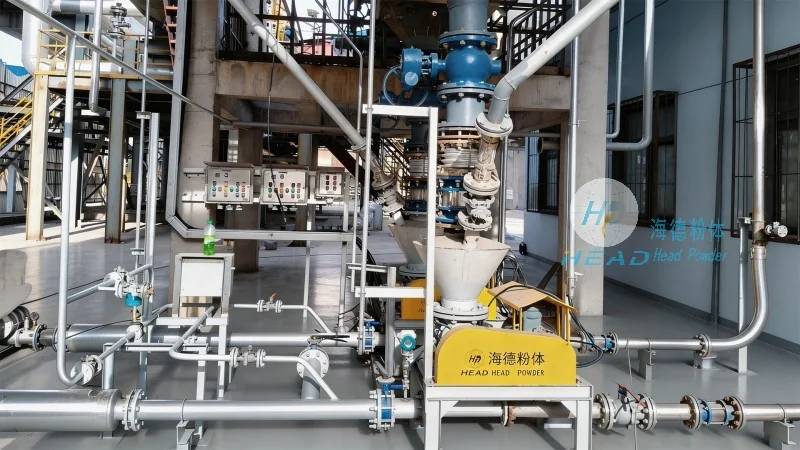
Conclusion and Company Information
The operation process and working principle of a riced flour material pneumatic conveying line are critical to the efficient and safe handling of this delicate ingredient. By understanding the key components and how they function together, manufacturers can optimize their production processes and ensure consistent quality. Shandong HeadPowder Engineering Co., Ltd., a leading provider of pneumatic conveying solutions, specializes in designing and manufacturing customized systems tailored to the specific needs of food processing industries. With a focus on quality, reliability, and innovation, the company offers comprehensive solutions that meet the highest standards of the industry. Located in Shandong, China, HeadPowder Engineering Co., Ltd. serves clients worldwide, providing expert consultation and support to help them achieve their production goals. Whether for new installations or system upgrades, the company's expertise ensures that clients receive the best possible solution for their riced flour conveying needs.