

[Foamed Plastic Material Handling Systems: What They Are and Their Design Principles]
For industrial applications that require efficient and reliable transportation of foamed plastic materials, specialized equipment is essential. This article explores the concept of foamed plastic material handling systems, detailing their components, operational mechanisms, and the underlying design principles that ensure optimal performance. By understanding these systems, businesses can make informed decisions about integrating such technology into their production processes.
Introduction to Foamed Plastic Material Handling Systems
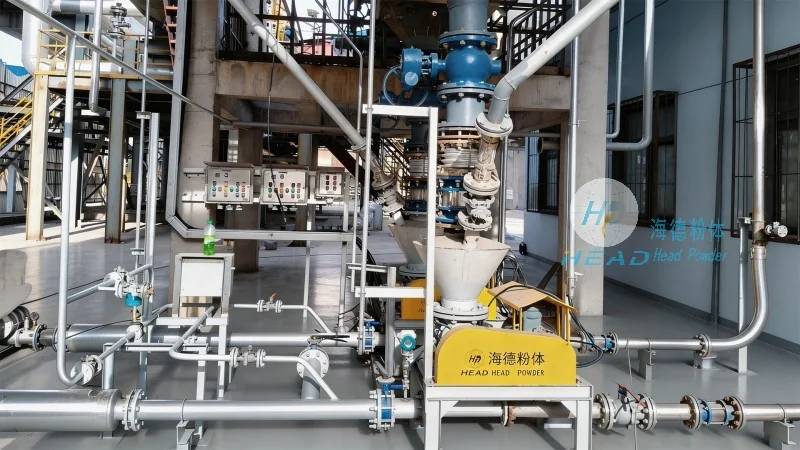
Foamed plastic material handling systems are engineered solutions designed to transport, store, and manage foamed plastic materials with precision and efficiency. These systems are commonly used in industries such as packaging, construction, and manufacturing, where lightweight yet durable materials are critical. The systems are tailored to handle the unique properties of foamed plastics, including their low density, flexibility, and susceptibility to dust or static. By leveraging advanced engineering and material science, these systems ensure that foamed plastic materials are handled safely and effectively throughout the production lifecycle.
Key Components of a Foamed Plastic Material Handling System
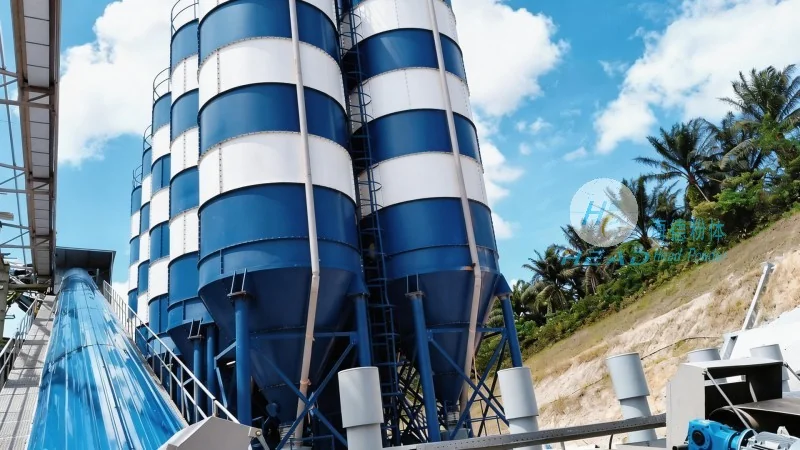
A typical foamed plastic material handling system comprises several key components, each playing a vital role in the overall operation. The primary components include conveyors, feeding mechanisms, storage units, and control systems. Conveyors, often in the form of belt or screw conveyors, are responsible for transporting the foamed plastic materials from one point to another. Feeding mechanisms, such as hoppers or vibratory feeders, ensure a consistent and controlled flow of materials into the conveyor system. Storage units, like silos or bulk containers, provide a secure and organized space for storing large quantities of foamed plastic. Control systems, typically integrated with sensors and automation technology, monitor and regulate the entire process, ensuring optimal performance and safety.
Design Principles for Optimal Performance
The design of a foamed plastic material handling system is guided by several key principles aimed at maximizing efficiency, safety, and durability. One of the fundamental principles is the consideration of material properties. Engineers must account for the low density and lightweight nature of foamed plastics, which can affect the design of conveyors and storage units. For instance, the use of lightweight yet strong materials for conveyor frames and supports is crucial to prevent unnecessary strain on the system. Another critical principle is the prevention of material degradation. Foamed plastics are susceptible to dust accumulation and static discharge, which can lead to quality issues or safety hazards. Therefore, systems are designed with features like dust collection and anti-static measures to maintain material integrity.
Operational Mechanisms and Efficiency
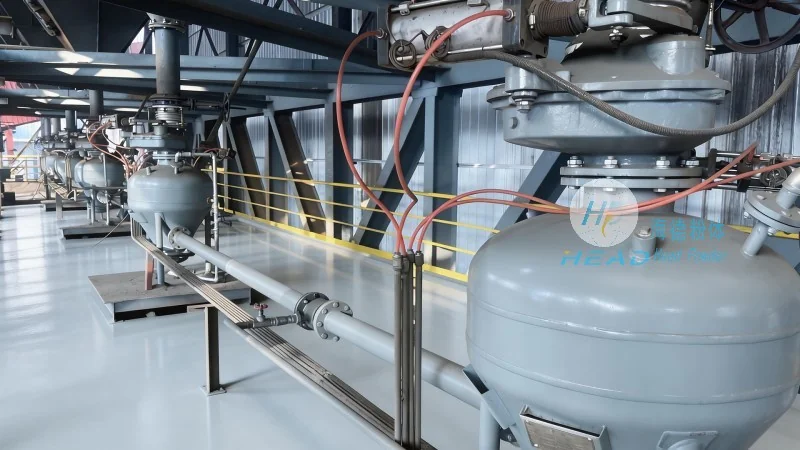
The operational mechanisms of a foamed plastic material handling system are designed to ensure smooth and continuous material flow. Conveyors are often equipped with adjustable speed controls, allowing operators to modulate the flow rate based on production demands. Feeding mechanisms may include vibratory or rotary designs to ensure even distribution of materials, preventing blockages or uneven loading. Storage units are typically equipped with level sensors to monitor inventory levels, triggering alerts when stock is low. Control systems integrate these components, providing real-time data on system performance, such as conveyor speed, material flow rate, and storage levels. This data enables operators to make immediate adjustments, optimizing the system's efficiency and reducing downtime.
Applications and Industry Use Cases
Foamed plastic material handling systems find applications across various industries, each leveraging the unique benefits of these systems. In the packaging industry, these systems are used to transport and store foamed plastic packaging materials, ensuring they are ready for use in product packaging. In construction, they handle foamed plastic insulation materials, facilitating their distribution to building sites. In manufacturing, they manage foamed plastic components for various products, streamlining the production process. The versatility of these systems makes them indispensable in industries where efficiency and material quality are paramount.
Advantages of Using Foamed Plastic Material Handling Systems
Implementing a foamed plastic material handling system offers numerous advantages for businesses. One of the primary benefits is improved operational efficiency. By automating the transportation and storage of materials, these systems reduce manual labor and minimize the risk of human error. This leads to faster production cycles and increased output. Another advantage is enhanced material quality control. The systems are designed to maintain the integrity of foamed plastics, preventing dust or contamination that could affect product quality. Additionally, these systems contribute to a safer working environment by reducing the need for manual handling of heavy or bulky materials. The integration of automation and control systems also minimizes the risk of accidents, such as material spills or equipment malfunctions.
Customization and Scalability
One of the key strengths of foamed plastic material handling systems is their ability to be customized and scaled to meet specific business needs. Companies can tailor the system's components, such as conveyor size, storage capacity, and control features, to fit their production requirements. This flexibility allows businesses to adapt the system as their operations grow or change. For example, a small-scale manufacturer may start with a basic system and expand it as production increases. The scalability of these systems ensures that businesses can invest in equipment that grows with them, avoiding the need for costly replacements or upgrades.
Maintenance and Longevity
Proper maintenance is essential to ensure the longevity and optimal performance of a foamed plastic material handling system. Regular maintenance tasks include cleaning conveyor belts, checking for wear and tear on components, and inspecting control systems for functionality. By adhering to a scheduled maintenance plan, businesses can prevent unexpected breakdowns and extend the lifespan of their equipment. The use of high-quality materials and components also contributes to the system's durability. For instance, using corrosion-resistant materials for parts exposed to moisture or dust can significantly reduce maintenance needs over time. Additionally, training operators on proper system operation and maintenance can further enhance the system's performance and longevity.
Conclusion
Foamed plastic material handling systems are sophisticated engineering solutions that play a critical role in the efficient management of foamed plastic materials. By understanding their components, design principles, and operational mechanisms, businesses can leverage these systems to improve productivity, maintain material quality, and ensure a safe working environment. The customization and scalability of these systems make them suitable for a wide range of applications, catering to the diverse needs of various industries. As technology continues to advance, these systems are likely to become even more efficient and integrated, further enhancing their role in modern industrial operations. For companies seeking to optimize their material handling processes, investing in a well-designed foamed plastic material handling system is a strategic decision that can yield significant long-term benefits.