

Operation Process and Working Principle of Pneumatic Conveying for Sawdust and Wood Flakes Materials
HeadPowder, a leading engineering firm based in Shandong, China, specializes in the design, manufacturing, and installation of advanced pneumatic conveying systems tailored for handling sawdust and wood flakes. These materials, commonly used in various industrial applications such as particle board production, biomass energy generation, and woodworking operations, require efficient and reliable material transport solutions to ensure smooth production workflows. This article delves into the operational process and working principles of pneumatic conveying systems, focusing on how they effectively manage the unique characteristics of sawdust and wood flakes.

Understanding Pneumatic Conveying Technology
Pneumatic conveying is a method of transporting bulk materials through a pipeline using a stream of air or gas. Unlike traditional mechanical conveyors, which rely on mechanical components like belts or screws, pneumatic systems utilize air pressure to move materials. This technology is particularly advantageous for handling light, dusty, or abrasive materials like sawdust and wood flakes, as it minimizes material degradation and reduces the risk of contamination. The core components of a pneumatic conveying system include a material feeder, a conveying line, a separation unit, and a dust collection system. Each component plays a critical role in ensuring the efficient and safe transport of the material.
The Operational Process of Sawdust and Wood Flakes Pneumatic Conveying
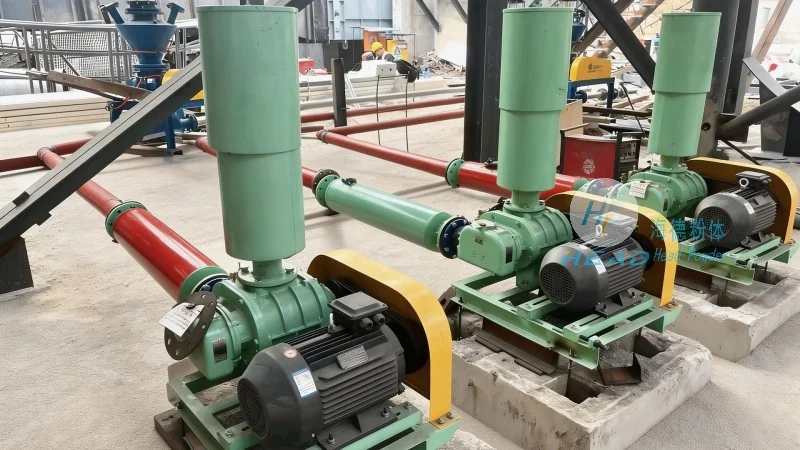
The operation of a pneumatic conveying system for sawdust and wood flakes typically follows a systematic sequence. First, the material is fed into the system via a hopper or a mechanical feeder. The feeder ensures a consistent flow of material into the conveying line, preventing blockages and maintaining system efficiency. Next, the material is introduced into the conveying line, where it is mixed with a high-velocity air stream. The air stream, generated by a blower or a fan, creates a pressure differential that propels the material through the pipeline. As the material travels through the line, it may encounter various components such as bends, expansions, or filters, which help maintain the material's flow and prevent clogging. The conveying line is designed with appropriate diameters and slopes to ensure the material moves smoothly without excessive pressure loss. Upon reaching the destination, the material is separated from the air stream using a cyclone separator or a bag filter. The separated material is then collected in a storage bin or a processing unit, while the air is filtered and discharged to the atmosphere.
Key Working Principles in Pneumatic Conveying
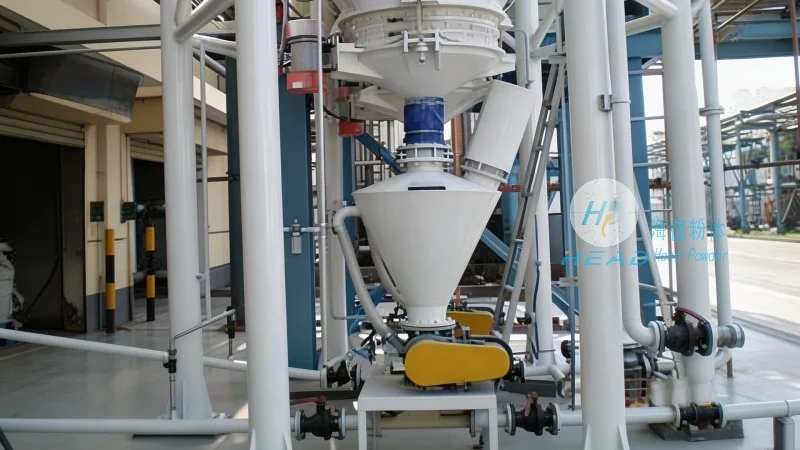
The effectiveness of pneumatic conveying for sawdust and wood flakes is governed by several key principles. One of the primary principles is the air-to-material ratio, which refers to the volume of air used per unit volume of material. An optimal air-to-material ratio is crucial for maintaining the material's flow and preventing blockages. For sawdust and wood flakes, a higher air velocity is often required to overcome the material's low density and cohesive properties. The system's pressure and velocity are carefully controlled to ensure the material is transported without degradation or loss of quality. Another important principle is the design of the conveying line, which must be sized appropriately to handle the material's characteristics. The line's diameter and length are determined based on the material's flow rate, air velocity, and the system's pressure drop. Additionally, the use of appropriate materials for the conveying line, such as stainless steel or corrosion-resistant alloys, is essential to prevent material buildup and maintain system longevity.
Benefits of Pneumatic Conveying for Sawdust and Wood Flakes Handling
Implementing pneumatic conveying systems for sawdust and wood flakes offers numerous benefits for industrial operations. One of the most significant advantages is the reduction in material handling time and labor costs. By automating the transport process, companies can increase production efficiency and reduce the risk of human error. Pneumatic systems also minimize material contamination, as they are enclosed and sealed, preventing exposure to dust and other environmental factors. This is particularly important for sawdust and wood flakes, which are often used in food or pharmaceutical applications where purity is critical. Furthermore, pneumatic conveying systems are flexible and can be easily integrated with existing production lines, allowing for seamless expansion or modification of operations. The technology also reduces energy consumption compared to traditional mechanical conveyors, as it uses less power to move the material over long distances.
Conclusion and Company Expertise
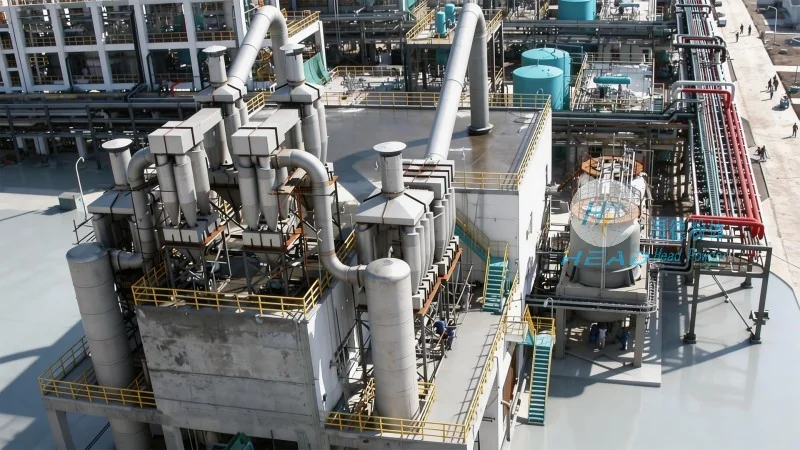
HeadPowder Engineering Co., Ltd., with its headquarters in Shandong, China, is a trusted provider of pneumatic conveying solutions for sawdust and wood flakes. The company's expertise lies in designing customized systems that meet the specific needs of each client, ensuring optimal performance and reliability. By leveraging advanced engineering and material handling technologies, HeadPowder helps industrial operations streamline their material transport processes, enhance productivity, and maintain product quality. For businesses seeking efficient and reliable solutions for handling sawdust and wood flakes, HeadPowder offers comprehensive services, including system design, installation, and maintenance, backed by years of industry experience.