With more than 10‑year industry experience, Shandong Headpowder delivers full‑service pneumatic‑conveying systems and blowers, undertaking nationwide turn‑key powder‑handling projects.
For those in the malt industry, understanding the efficient and reliable transportation of pelletized barley is crucial for maintaining production quality and operational efficiency. This article delves into the operation process and working principle of pneumatic conveying systems designed for handling malt materials, providing insights into how these systems ensure smooth material flow from storage to processing stages.
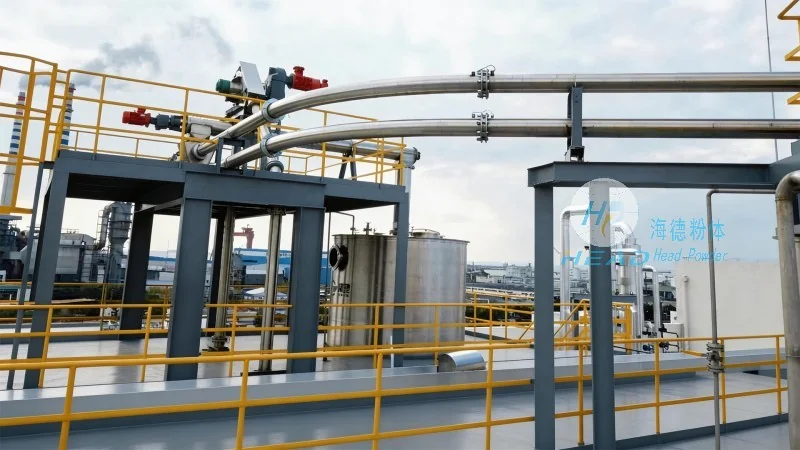
Pneumatic conveying systems have become a cornerstone in modern malt processing facilities, offering a flexible and effective solution for transporting bulk materials like pelletized barley. Unlike traditional mechanical conveyors, which rely on physical contact and moving parts, pneumatic systems utilize air pressure to move materials through a pipeline network. This method not only reduces the risk of material contamination but also minimizes the need for frequent maintenance, making it an ideal choice for sensitive malt products.
The core components of a pneumatic conveying system for pelletized barley include the hopper, feeder, air compressor, conveying line, and receiver. Each component plays a vital role in the overall operation. The hopper serves as the storage vessel, holding the malt pellets until they are ready to be conveyed. The feeder, typically a rotary valve or screw feeder, regulates the flow of material into the system, ensuring a consistent and controlled discharge rate. The air compressor generates the necessary air pressure to move the material through the pipeline, while the conveying line, often made of stainless steel or other corrosion-resistant materials, transports the malt pellets from the feeder to the receiver. The receiver is the final storage or processing container, where the material is collected after being conveyed.
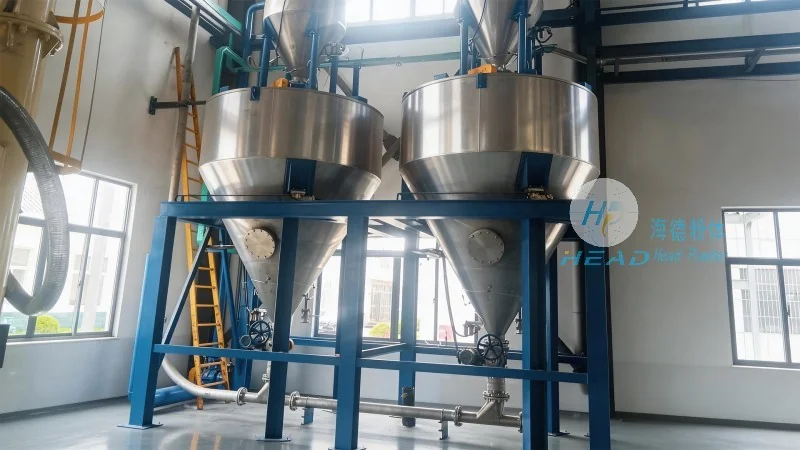
The operation process of pneumatic conveying for pelletized barley begins with the loading of the hopper. Once the hopper is filled, the feeder starts to discharge the malt pellets into the conveying line. Simultaneously, the air compressor supplies compressed air into the line, creating a pressure differential that propels the material forward. As the air and material mixture travels through the pipeline, the velocity and pressure are carefully controlled to prevent material degradation or blockages. The receiver at the end of the line collects the conveyed malt, completing the transport cycle. This process is typically automated, with sensors and control systems monitoring the flow rate, pressure, and material level to ensure optimal performance.
The working principle of pneumatic conveying for pelletized barley is based on the fundamental physics of fluid dynamics and particle movement. When compressed air is introduced into the conveying line, it creates a low-pressure zone that draws the malt pellets into the stream. The air velocity within the pipeline is maintained at a level sufficient to keep the material suspended and moving forward, without causing excessive wear or degradation. The key to efficient conveying lies in achieving the right balance between air pressure, flow rate, and material characteristics. Factors such as the size, density, and moisture content of the malt pellets, as well as the length and diameter of the conveying line, all influence the system's performance. Proper design and maintenance of the components are essential to ensure consistent and reliable operation.
Implementing pneumatic conveying systems for pelletized barley offers several significant benefits. Firstly, it enhances product quality by minimizing physical contact and reducing the risk of contamination from external sources. This is particularly important in the malt industry, where product purity directly impacts the final quality of beverages and other products. Secondly, pneumatic systems improve operational efficiency by reducing downtime and maintenance requirements. The absence of moving parts in the conveying line itself means fewer components to wear out or break, leading to lower maintenance costs and longer system lifespans. Additionally, the flexibility of pneumatic systems allows for easy integration with existing processing lines, enabling manufacturers to adapt to changing production needs without major modifications.

In real-world malt production facilities, pneumatic conveying systems are used in various stages of the process. For instance, after the barley has been milled and pelletized, the material is often conveyed from the pelletizing machine to a storage silo or a drying unit. The system may also be used to transport malt from the storage silo to the brewing or distilling equipment, ensuring a continuous and uninterrupted supply of raw material. In some cases, pneumatic conveying is employed to transfer malt from one processing line to another, such as from the malting stage to the kilning stage. The versatility of these systems makes them indispensable in modern malt production, supporting the efficient and high-quality processing of barley into malt.
Understanding the operation process and working principle of pneumatic conveying for pelletized barley is essential for optimizing malt production efficiency and maintaining product quality. The systems offered by Shandong HeadPowder Engineering Co., Ltd. are designed to meet the specific needs of the malt industry, providing reliable and efficient solutions for material transportation. With a focus on quality and innovation, HeadPowder Engineering has established itself as a trusted partner in the malt processing sector, helping businesses enhance their operational capabilities and achieve their production goals. Based in Shandong, China, the company leverages its expertise in engineering and manufacturing to deliver cutting-edge pneumatic conveying systems tailored to the unique requirements of malt production facilities.

 Shandong Headpowder Engineering Co., Ltd.
 156-6277-7102(Manager Zhang)
  0531-83386006
  Zhangqiu District, Jinan City, Shandong Province, China
telephone
WeChatconsult
top