

Operation Process and Working Principle of Bulk Bag Unloading Station Material Handling Equipment
For industrial facilities that handle bulk materials, efficient and reliable material handling systems are crucial for maintaining smooth production operations. The bulk bag unloading station, equipped with specialized material handling equipment, plays a vital role in transforming the process of receiving and transferring bulk materials from large bags (also known as super sacks or FIBCs) into a more manageable form for further processing or storage. This article delves into the operation process and working principle of such equipment, highlighting how it enhances operational efficiency and safety in material handling applications.
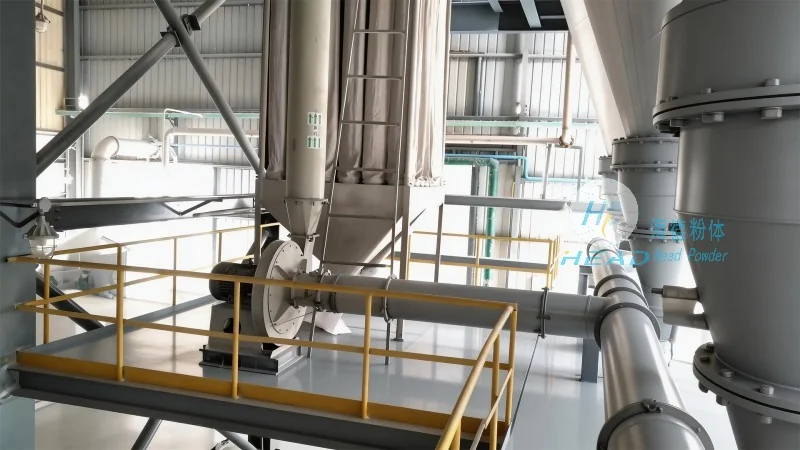
Key Components of the Bulk Bag Unloading Station
The bulk bag unloading station typically consists of several key components that work in tandem to facilitate the material transfer process. These components include the bulk bag support frame, the discharge spout or chute, the conveyor system (such as a screw conveyor or belt conveyor), and the control system. The support frame securely holds the bulk bag in place, ensuring stability during the unloading operation. The discharge spout is designed to connect to the bottom of the bulk bag, allowing the material to flow out smoothly. The conveyor system then transports the material from the discharge point to the desired destination, such as a storage silo or processing unit. The control system manages the entire operation, including the opening and closing of the discharge spout, the speed of the conveyor, and safety interlocks to prevent accidents.
Operation Process of the Bulk Bag Unloading Station
The operation of the bulk bag unloading station involves a series of steps that ensure the safe and efficient transfer of material from the bulk bag to the conveyor system. The process typically begins with the placement of the bulk bag onto the support frame. The bag is then secured using straps or clamps to prevent it from moving during the unloading process. Next, the discharge spout is connected to the bottom of the bulk bag, and the control system is activated to initiate the unloading sequence. The control system may use a valve or a mechanical device to open the discharge spout, allowing the material to flow out. As the material exits the bag, it falls into the hopper or chute and is then conveyed by the conveyor system to the next stage of processing. The speed of the conveyor can be adjusted to match the flow rate of the material, ensuring a consistent and controlled transfer. Once the bulk bag is empty, the discharge spout is closed, and the bag is removed from the support frame for disposal or reuse.
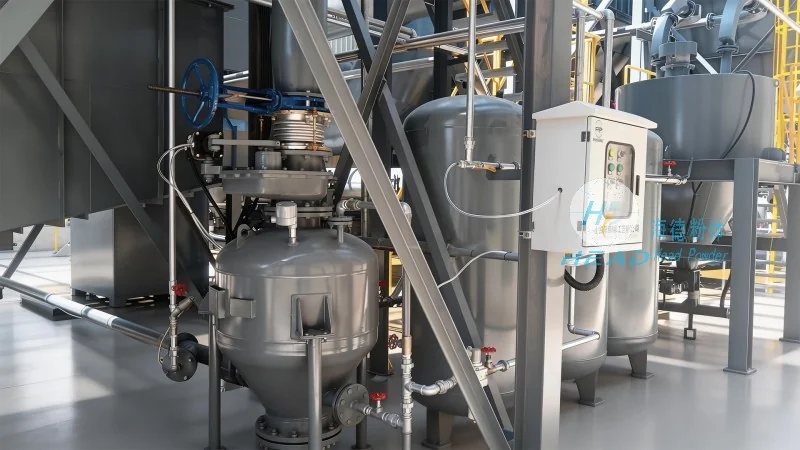
Working Principle of the Material Handling Equipment
The working principle of the bulk bag unloading station's material handling equipment is based on mechanical and hydraulic systems that work together to facilitate the material transfer. The discharge spout, often equipped with a valve or a gate mechanism, controls the flow of material from the bulk bag. The conveyor system, such as a screw conveyor, uses rotating screws to move the material forward, while a belt conveyor uses a moving belt to transport the material. The control system monitors the flow rate, pressure, and other parameters to ensure the operation is within safe limits. Safety features, such as emergency stop buttons and sensors, are integrated into the system to prevent accidents and protect operators. The entire process is automated to minimize human intervention, reducing the risk of errors and improving overall efficiency.
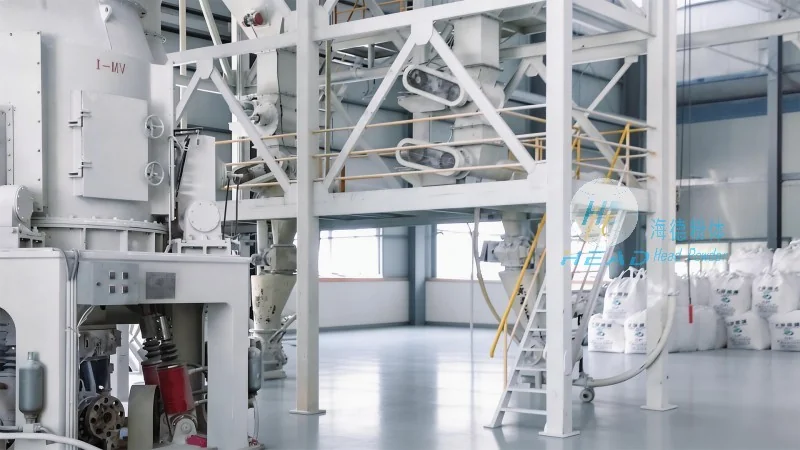
Benefits of Using Bulk Bag Unloading Station Equipment
The use of bulk bag unloading station material handling equipment offers several benefits for industrial facilities. Firstly, it enhances operational efficiency by reducing the time and labor required to unload bulk bags. The automated process allows for continuous operation, minimizing downtime and increasing production output. Secondly, it improves safety by eliminating the need for manual handling of heavy bulk bags, which can be hazardous. The equipment is designed with safety features that prevent accidents and protect operators. Thirdly, it reduces material waste by ensuring a consistent and controlled flow of material, minimizing spillage and loss. Additionally, the equipment can be customized to meet the specific requirements of different industries, such as food processing, chemical manufacturing, or mining, making it a versatile solution for various material handling applications.
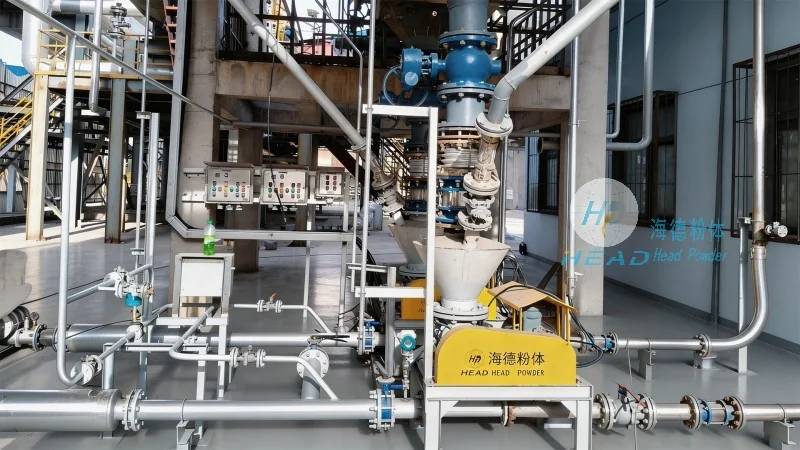
Applications in Different Industries
Bulk bag unloading station material handling equipment is widely used in various industries due to its versatility and efficiency. In the food and beverage industry, it is used to handle bulk ingredients such as flour, sugar, and grains, ensuring a clean and hygienic transfer process. In the chemical industry, it is used to handle hazardous materials, with the equipment designed to meet safety standards and regulations. In the mining industry, it is used to transfer bulk minerals and ores from bulk bags to processing equipment. In the pharmaceutical industry, it is used to handle bulk raw materials with strict quality control requirements, ensuring that the material is handled in a sterile and controlled environment. The equipment's ability to handle different types of materials and its customizable design make it suitable for a wide range of applications.
Maintenance and Safety Considerations
Maintaining the bulk bag unloading station and its material handling equipment is essential to ensure its longevity and safe operation. Regular maintenance should include checking the condition of the support frame, the integrity of the discharge spout, and the functionality of the conveyor system. The control system should be inspected regularly to ensure it is operating correctly and that all safety features are functioning properly. Operators should be trained on the proper use of the equipment and the safety procedures to follow in case of an emergency. Additionally, the equipment should be inspected for any signs of wear and tear, and any damaged components should be replaced promptly to prevent accidents. Following these maintenance and safety considerations will help to ensure the equipment operates efficiently and safely for a long time.