With more than 10‑year industry experience, Shandong Headpowder delivers full‑service pneumatic‑conveying systems and blowers, undertaking nationwide turn‑key powder‑handling projects.
Steel grit material handling equipment is a specialized system designed to transport and manage steel grit, a crucial abrasive material used in various industrial applications. The operation of such equipment involves a series of integrated processes that ensure efficient material movement, storage, and distribution. This article provides a detailed overview of the operational workflow and underlying principles governing the performance of steel grit handling systems.
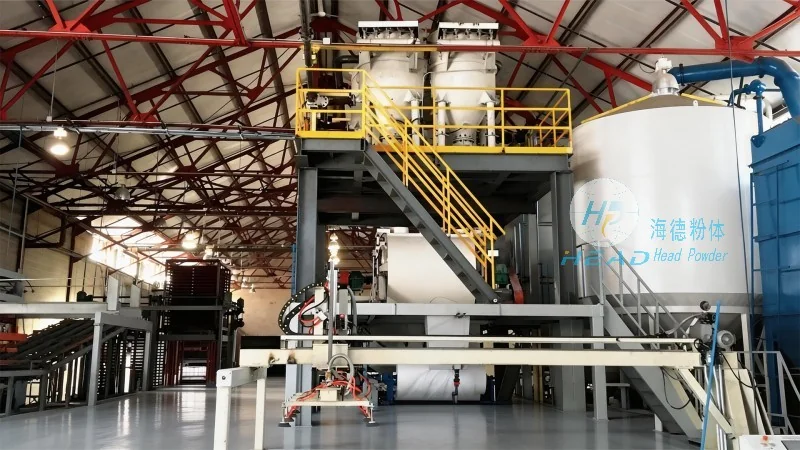
The steel grit material handling system typically consists of several core components, each playing a vital role in the overall functionality. These components include feed hoppers, conveyor belts or screw conveyors, storage silos, and discharge mechanisms. The feed hopper is responsible for receiving raw steel grit from the source, while the conveyor system transports the material to the storage or processing areas. Storage silos are used to hold the steel grit, ensuring a steady supply for downstream operations. The discharge mechanism then releases the material as needed, facilitating smooth material flow throughout the production process.
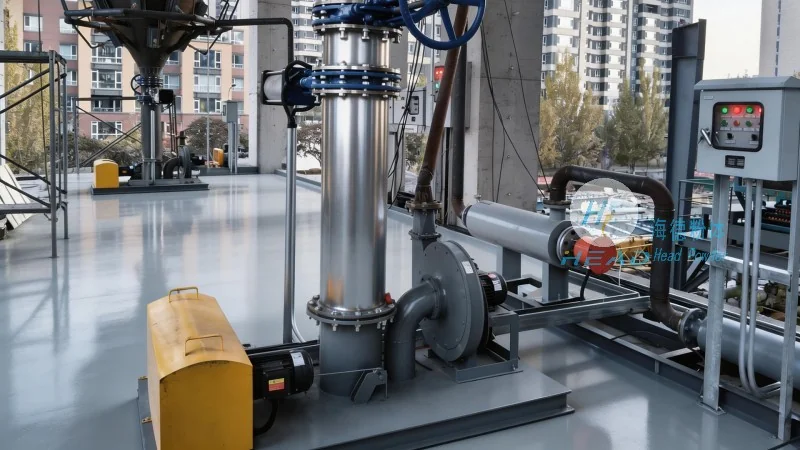
The operation of steel grit material handling equipment follows a systematic sequence of steps to ensure optimal performance and material integrity. The process begins with the loading of steel grit into the feed hopper. Once the hopper is filled, the conveyor system activates, transporting the material through the system. The speed and direction of the conveyor are carefully controlled to maintain consistent material flow and prevent blockages. As the steel grit moves, it may pass through a screening or sorting mechanism to ensure uniform particle size, which is critical for downstream applications. After processing, the material is directed into the storage silo, where it is stored until required. The discharge process then involves opening the silo's outlet, allowing the steel grit to be released into the next stage of the production line or for distribution to customers.
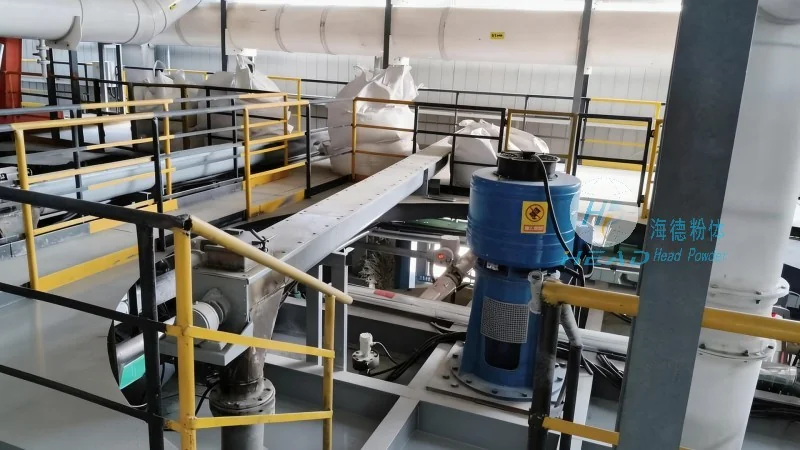
The working principle of steel grit material handling equipment relies on a combination of mechanical and hydraulic systems to achieve precise control and efficiency. Mechanical components, such as conveyor belts and screw conveyors, use rotational motion to move the material. The speed of the conveyor is adjusted based on the material's characteristics, such as density and particle size, to prevent overloading or slippage. Hydraulic systems are often employed for controlling the feed rate and discharge mechanisms, providing smooth and adjustable operation. These systems ensure that the material is handled gently, minimizing wear and tear on both the equipment and the steel grit itself. The integration of mechanical and hydraulic systems allows for precise control over the entire material handling process, enhancing overall efficiency and reliability.
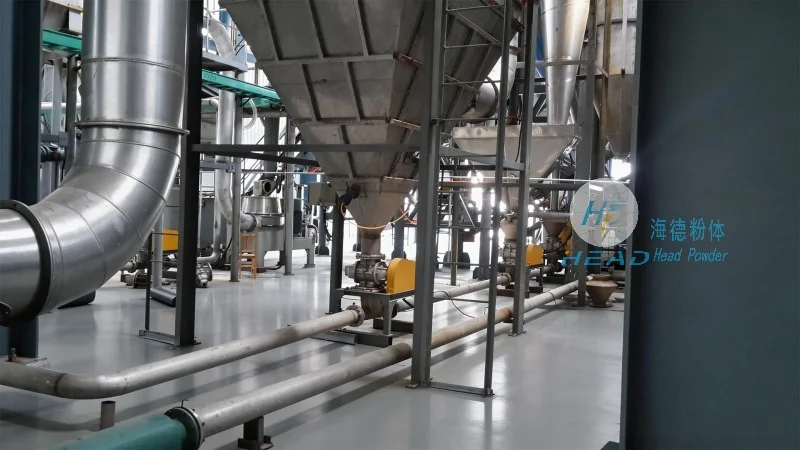
Proper maintenance is essential to ensure the long-term performance and reliability of steel grit material handling equipment. Regular inspections of conveyor belts, bearings, and hydraulic components are necessary to identify and address potential issues before they escalate. Cleaning the system, especially the feed hopper and conveyor, is crucial to prevent the accumulation of debris or dust, which can affect material flow and equipment efficiency. Additionally, monitoring the material's flow rate and pressure can help detect any abnormalities in the system's operation. By adhering to a regular maintenance schedule, operators can extend the lifespan of the equipment and minimize downtime, ensuring consistent and reliable performance.

 Shandong Headpowder Engineering Co., Ltd.
 156-6277-7102(Manager Zhang)
  0531-83386006
  Zhangqiu District, Jinan City, Shandong Province, China
telephone
WeChatconsult
top