With more than 10‑year industry experience, Shandong Headpowder delivers full‑service pneumatic‑conveying systems and blowers, undertaking nationwide turn‑key powder‑handling projects.
Dust-free powder feeding and conveying lines are critical components in modern industrial processes, particularly in sectors that handle fine powders and require stringent contamination control. These systems are designed to transport bulk powders from storage silos or hoppers to processing equipment while maintaining a clean, dust-free environment. The effectiveness of such lines directly impacts production efficiency, product quality, and workplace safety. As a leading manufacturer in the field, Shandong HeadPowder Engineering Co., Ltd. specializes in developing and supplying advanced dust-free powder handling solutions that meet the highest industry standards.
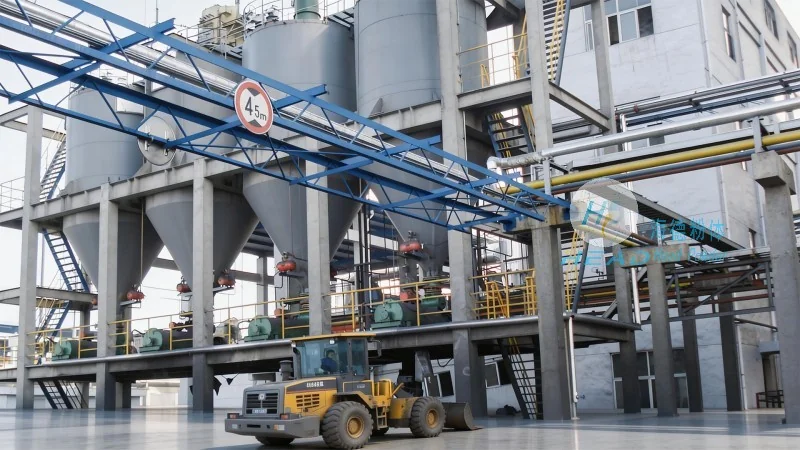
The operation of a dust-free powder feeding and conveying line involves several key components, each playing a vital role in ensuring smooth and efficient material transfer. The primary components typically include a hopper or silo for material storage, a feeder (such as a rotary valve or screw feeder) to control the flow rate, a conveying system (like a pneumatic or mechanical conveyor), and a dust collection system to maintain air quality. The feeder is responsible for regulating the amount of powder released from the storage vessel, preventing overfilling or underfilling. The conveying system then transports the powder to the processing unit, while the dust collection system captures any airborne particles, ensuring compliance with environmental regulations and maintaining a safe working environment.
The operation of a dust-free powder feeding and conveying line follows a systematic process to ensure consistent and reliable material handling. The process begins with the loading of the storage hopper or silo with the bulk powder. Once loaded, the feeder is activated to start the material flow. The feeder controls the discharge rate based on the processing requirements, ensuring that the downstream equipment receives the correct amount of powder at a steady pace. The conveying system then transports the powder from the feeder to the processing unit, such as a mixer, dryer, or reactor. The dust collection system continuously operates to capture any particles that may escape during the conveying process, preventing dust accumulation and maintaining air quality. The entire system is typically controlled by a programmable logic controller (PLC) or a similar automation system, which monitors and adjusts the flow rates and other parameters to optimize performance. This automated control ensures that the line operates efficiently and consistently, minimizing downtime and maximizing productivity.
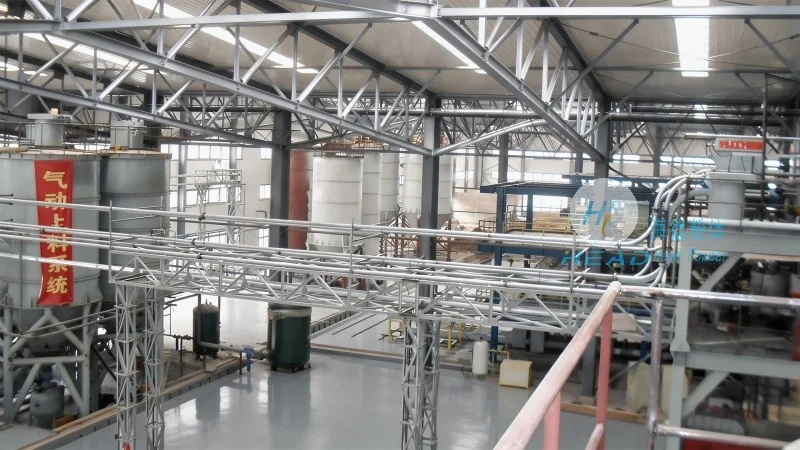
The working principle of a dust-free powder feeding and conveying line is based on the principles of fluidization and pneumatic transport. In a pneumatic conveying system, the powder is suspended in a stream of air and transported through a pipeline. The feeder creates a controlled flow of powder, which is then mixed with air in the conveying line. The air velocity is maintained at a level that keeps the powder particles suspended, preventing them from settling or clogging the pipeline. The conveying line is designed with appropriate bends and fittings to ensure smooth flow and minimize pressure losses. The dust collection system uses filters or cyclones to separate the powder from the air, returning the powder to the system and exhausting the clean air to the environment. The mechanical conveying system, on the other hand, uses screws or belts to move the powder through a closed tube. The feeder regulates the flow rate, and the conveyor transports the powder to the processing unit. Both systems rely on precise control of flow rates and air pressure to achieve efficient and dust-free operation.
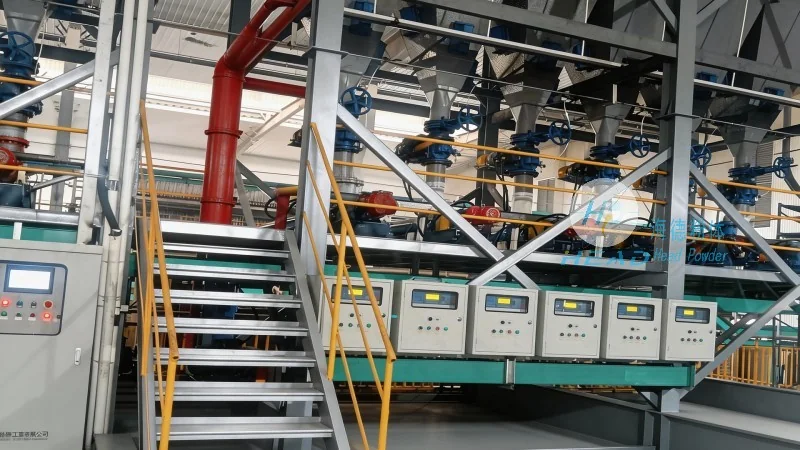
Implementing a dust-free powder feeding and conveying line offers numerous benefits for industrial operations. First, it significantly reduces the risk of dust explosions and fires, which are common hazards in powder handling processes. By containing the powder and capturing airborne particles, the system minimizes the presence of combustible dust in the workplace. Second, it improves product quality by preventing contamination from external sources, such as moisture or other particles. The controlled environment ensures that the powder remains in its original state, maintaining its purity and consistency. Third, it enhances operational efficiency by providing a continuous and reliable flow of material, reducing downtime caused by material shortages or blockages. The automated control systems allow for precise adjustment of flow rates, ensuring that the processing equipment operates at optimal levels. Additionally, the dust collection system helps maintain compliance with environmental regulations, reducing the risk of fines and legal issues. Overall, a dust-free powder feeding and conveying line is a critical investment for industries that handle fine powders, as it improves safety, quality, and productivity.
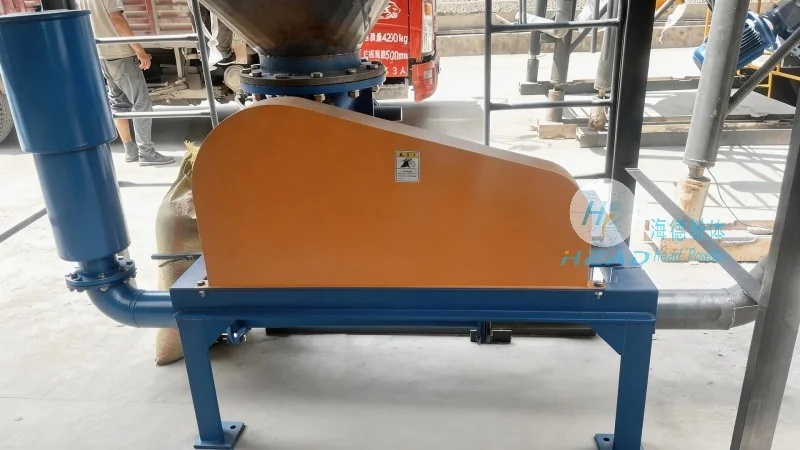
Dust-free powder feeding and conveying lines are widely used in various industries that require the handling of bulk powders. These include pharmaceuticals, food and beverage, chemical manufacturing, and mining. In the pharmaceutical industry, the systems are used to transport active pharmaceutical ingredients (APIs) and excipients with strict purity requirements. The dust-free environment ensures that the powders remain free from contamination, which is crucial for maintaining product efficacy and safety. In the food and beverage industry, the systems handle ingredients such as flour, sugar, and spices, ensuring that the products are free from dust and other impurities. The chemical manufacturing industry uses these lines to transport raw materials and intermediates, preventing reactions with airborne particles and maintaining product quality. The mining industry utilizes dust-free conveying systems to transport ore and other minerals from storage facilities to processing plants, reducing dust exposure for workers and improving operational efficiency.
Shandong HeadPowder Engineering Co., Ltd. offers customized dust-free powder feeding and conveying solutions tailored to the specific needs of each client. The company works closely with customers to understand their production requirements, material characteristics, and environmental constraints to design a system that meets their unique needs. The systems can be integrated with existing processing equipment, such as mixers, dryers, and reactors, ensuring seamless operation. The company provides comprehensive support, including installation, commissioning, and maintenance services, to ensure that the system operates at peak performance. The customization options include different feeder types, conveying methods, and dust collection systems, allowing for flexibility in meeting various application requirements. By working with HeadPowder, clients can benefit from a tailored solution that enhances their production efficiency and product quality.

 Shandong Headpowder Engineering Co., Ltd.
 156-6277-7102(Manager Zhang)
  0531-83386006
  Zhangqiu District, Jinan City, Shandong Province, China
telephone
WeChatconsult
top