With more than 10‑year industry experience, Shandong Headpowder delivers full‑service pneumatic‑conveying systems and blowers, undertaking nationwide turn‑key powder‑handling projects.
Automatic quantitative powder conveying lines are essential in industrial applications for handling bulk materials with precision and efficiency. This article delves into the operation process and working principles of such systems, highlighting key components and the technology behind their functionality. The information is presented by Shandong HeadPowder Engineering Co., Ltd., a leading manufacturer based in China.
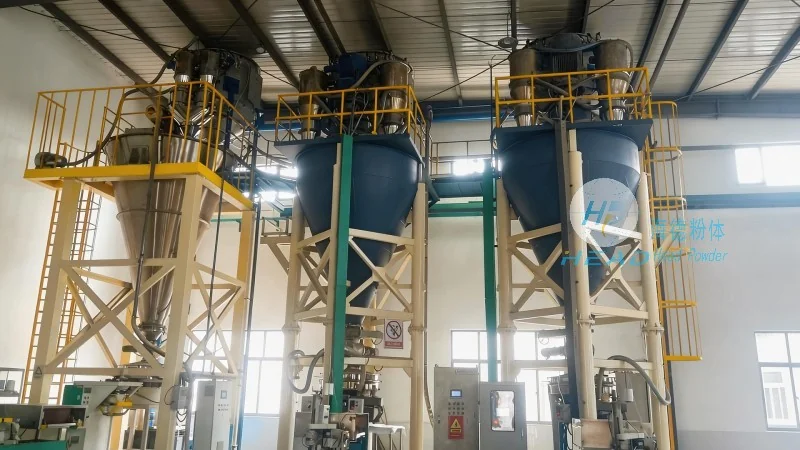
Shandong HeadPowder Engineering Co., Ltd. specializes in the design, manufacturing, and supply of advanced powder handling equipment. With a focus on innovation and quality, the company serves various industries including pharmaceuticals, food processing, and chemical manufacturing. HeadPowder's facilities are located in Shandong, China, where state-of-the-art production and research are conducted to meet global standards.
Automatic quantitative powder conveying lines are engineered to transport and measure bulk powders with high accuracy. These systems integrate multiple components such as hoppers, feeders, conveyors, and control units to ensure consistent and reliable material handling. The primary goal is to deliver precise quantities of powder to downstream processes, minimizing waste and optimizing production efficiency. Key features include adjustable flow rates, real-time monitoring, and automated control, making them suitable for diverse industrial applications.
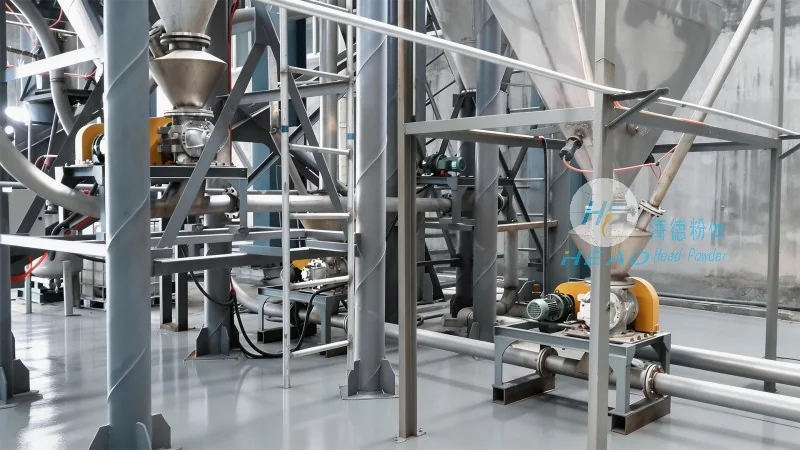
The operation of an automatic quantitative powder conveying line typically involves several sequential steps. First, the bulk powder is stored in a hopper, where it is held under controlled conditions to prevent degradation or caking. Next, a feeder, often a loss-in-weight or volumetric type, regulates the powder flow from the hopper to the conveyor. The feeder measures the material discharged and adjusts its output to maintain the desired flow rate. The conveyor then transports the powder to the processing or packaging area. Throughout the process, sensors and control systems monitor parameters like flow rate, pressure, and temperature, ensuring the system operates within optimal parameters. Any deviations are automatically corrected by the control unit, maintaining consistent performance.
The working principle of an automatic quantitative powder conveying line is based on precise measurement and control of material flow. The system uses a combination of mechanical and electronic components to achieve accuracy. The hopper provides a stable supply of powder, while the feeder measures the mass or volume of material being discharged. This measurement is compared to the setpoint, and the feeder adjusts its operation accordingly. The conveyor transports the measured powder to the target location. Control algorithms, often embedded in a programmable logic controller (PLC), manage the entire process, ensuring that the flow rate matches the required quantity. The system may also include safety features, such as overload protection and material detection, to prevent accidents and ensure operational safety.
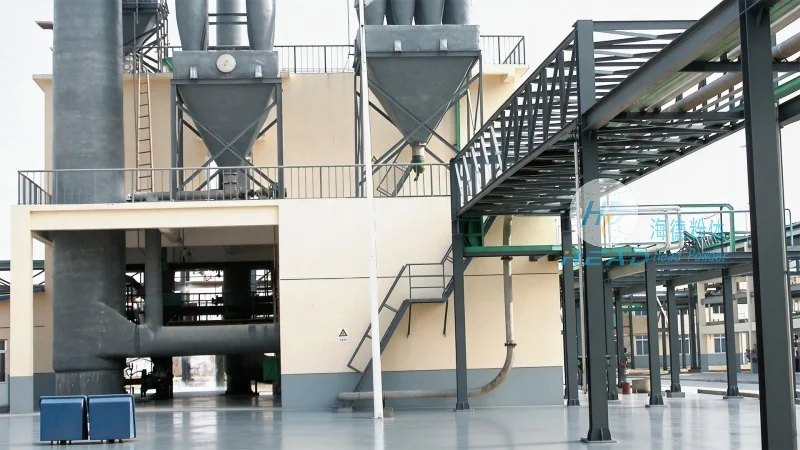
Implementing automatic quantitative powder conveying lines offers numerous benefits to industrial operations. Firstly, they enhance precision in material handling, reducing errors and minimizing waste. This leads to cost savings and improved product quality. Secondly, the automated nature of these systems increases operational efficiency, as they can run continuously without manual intervention. This reduces labor costs and increases production throughput. Additionally, the real-time monitoring and control features allow for quick adjustments in response to changing production demands, enhancing flexibility. The systems are also designed for easy maintenance, with modular components that can be replaced or serviced without disrupting the entire operation. Overall, these lines contribute to a more reliable and efficient production environment.
Automatic quantitative powder conveying lines are critical components in modern industrial processes, providing accurate and efficient handling of bulk materials. The operation process involves a series of coordinated steps, from material storage to precise delivery, while the working principle relies on advanced measurement and control technologies. By leveraging these systems, industries can achieve higher productivity, reduced costs, and improved product quality. Shandong HeadPowder Engineering Co., Ltd. continues to innovate in this field, offering reliable and efficient solutions tailored to the needs of various industries.

 Shandong Headpowder Engineering Co., Ltd.
 156-6277-7102(Manager Zhang)
  0531-83386006
  Zhangqiu District, Jinan City, Shandong Province, China
telephone
WeChatconsult
top