With more than 10‑year industry experience, Shandong Headpowder delivers full‑service pneumatic‑conveying systems and blowers, undertaking nationwide turn‑key powder‑handling projects.
Handling sand and granular materials is a fundamental yet complex task in numerous industrial sectors, ranging from glass manufacturing and foundries to concrete batching and ceramic production. The physical properties of sand—such as its high abrasiveness, bulk density, and tendency to create dust—pose significant challenges for material handling engineers. Traditional mechanical conveying methods, such as belt conveyors or screw conveyors, often struggle with dust containment and wear over long distances. Consequently, the industry has increasingly turned to advanced pneumatic solutions. Among these, **sand conveying** systems have emerged as the preferred method for ensuring clean, efficient, and reliable material flow. Understanding the nuances of these systems is essential for optimizing production lines and minimizing operational costs.
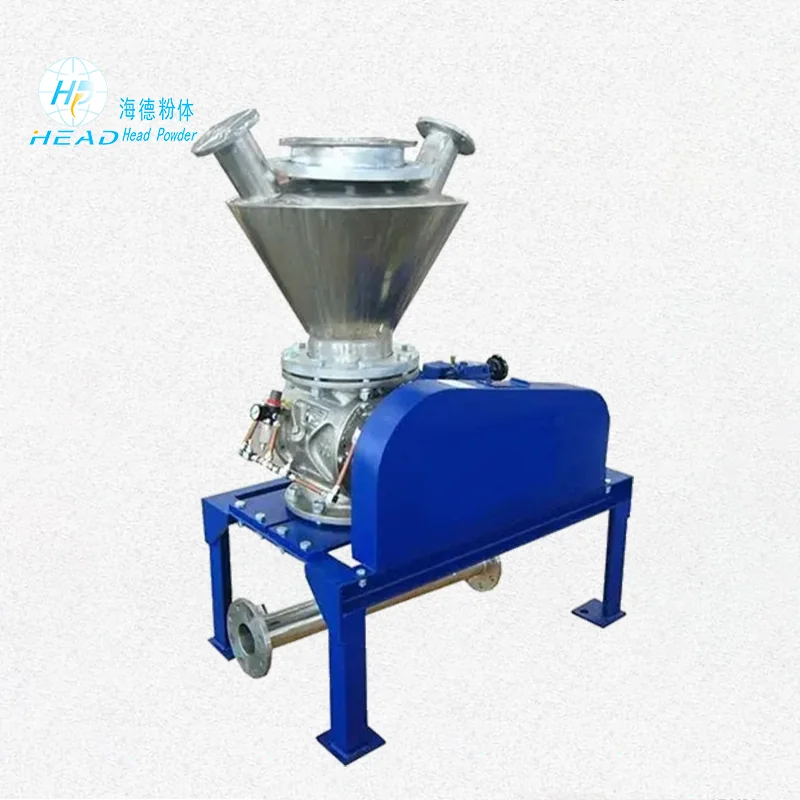
Pneumatic conveying relies on the use of air pressure or vacuum to move bulk materials through a pipeline system. In the context of **sand pneumatic conveying**, the technology is specifically tailored to handle the abrasive nature of silica sand without causing excessive wear to the system components. There are two primary modes of operation: dilute phase and dense phase conveying.
In dilute phase conveying, materials are suspended in a high-velocity air stream. This method is ideal for short distances and offers high throughput rates. However, the high velocity can lead to significant wear on the pipeline elbows and the material itself. Conversely, dense phase conveying operates at lower velocities, utilizing high pressure to push the material in a slug or plug-like motion. This method significantly reduces wear and tear, making it the superior choice for long-distance **sand conveying** applications. The selection between these technologies depends heavily on the specific requirements of the plant, including distance, throughput, and the type of sand being handled.
Implementing a pneumatic system for **material conveying** offers a multitude of benefits that extend beyond simple transportation. One of the most significant advantages is the complete isolation of the material from the external environment. Since the system is fully enclosed, it prevents the escape of fine dust particles, ensuring a safer and healthier workplace for operators. This feature is particularly critical in industries where silica dust exposure poses health risks.
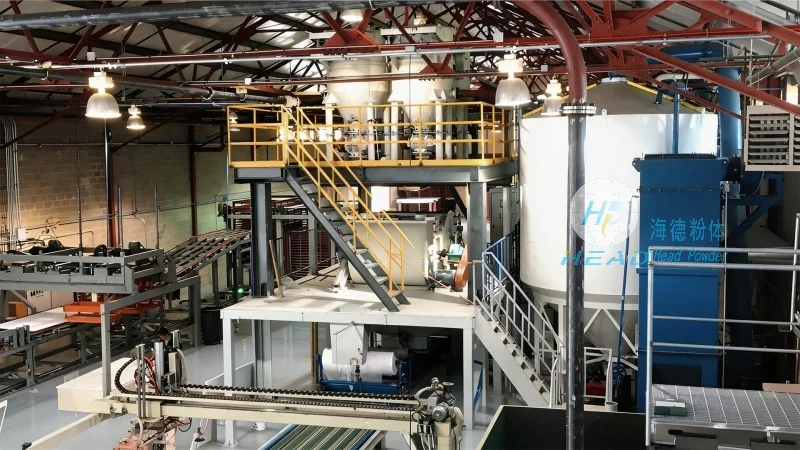
Furthermore, pneumatic systems eliminate the need for intermediate storage hoppers between different stages of production. This results in a continuous flow of materials, which enhances the overall efficiency of the manufacturing process. Additionally, because the system is air-driven, it requires fewer moving mechanical parts compared to belt or screw conveyors, leading to lower maintenance requirements and a longer service life for the equipment. For facilities looking to upgrade their infrastructure, **sand conveying** systems provide a robust solution that integrates seamlessly with existing production lines.
When seeking a reliable partner for complex bulk material handling solutions, Shandong Headpowder Engineering Co., Ltd. stands out as a premier manufacturer and engineering firm. Headquartered in Shandong, China, the company has established a strong reputation for delivering high-quality **sand conveying** and **sand pneumatic conveying** systems tailored to diverse industrial needs. As a specialized provider of **material conveying** equipment, Headpowder combines advanced engineering principles with rigorous quality control to ensure that every system meets the highest standards of performance and durability.
The company’s expertise lies in understanding the unique challenges of transporting abrasive materials like sand. By utilizing state-of-the-art simulation software and decades of field experience, Shandong Headpowder Engineering Co., Ltd. designs systems that optimize air-to-material ratios, minimize energy consumption, and extend the lifespan of critical components such as blow tanks, valves, and filters. Whether the requirement is for a simple batch transfer or a complex, multi-point distribution network, Headpowder provides customized solutions that drive operational excellence.
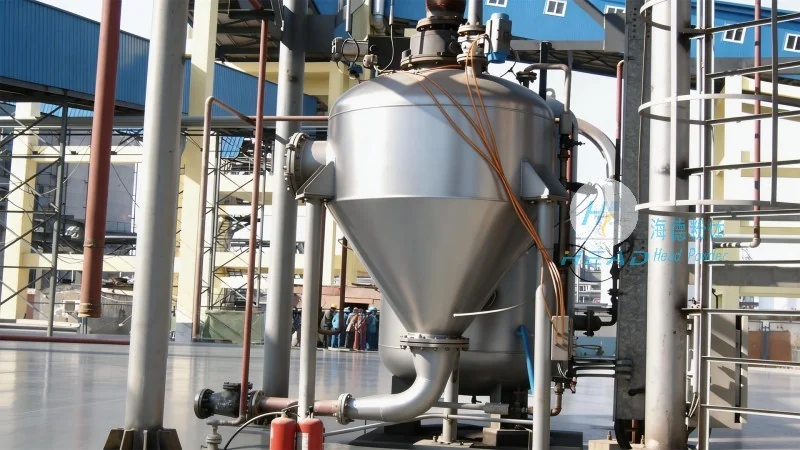
Headpowder’s portfolio is comprehensive, covering various aspects of **sand conveying** and bulk material logistics. The company’s engineering team works closely with clients to analyze their specific production environments, identifying the most efficient configuration for their **material conveying** needs. This client-centric approach ensures that the proposed system not only meets current production demands but is also scalable for future growth.
The company’s products are designed with a focus on energy efficiency and environmental compliance. By reducing dust emissions and optimizing air usage, Headpowder helps clients achieve their sustainability goals while maintaining high productivity levels. The **sand pneumatic conveying** systems offered by the company are capable of handling a wide range of particle sizes and flow rates, making them versatile enough for various applications, from feeding raw materials into glass melting furnaces to distributing sand in concrete mixing plants.
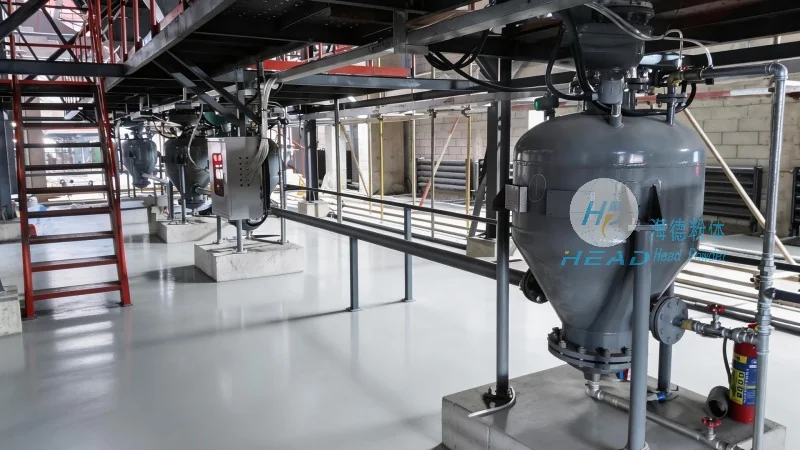
Selecting the appropriate **sand conveying** technology requires a thorough evaluation of the facility's layout, the physical properties of the sand, and the desired throughput. Factors such as vertical lift, horizontal distance, and the presence of bends in the pipeline must be carefully considered during the design phase. Shandong Headpowder Engineering Co., Ltd. provides expert consultation to guide clients through this decision-making process, ensuring that the chosen system is both technically sound and economically viable.
Investing in a high-quality pneumatic system is a strategic decision that pays dividends in reduced downtime, lower maintenance costs, and improved product quality. By partnering with a specialized firm like Headpowder, companies can leverage deep technical expertise to implement a **sand conveying** solution that is tailored to their unique operational profile.
For those interested in upgrading their material handling capabilities or seeking a custom quote for a **sand pneumatic conveying** system, Shandong Headpowder Engineering Co., Ltd. is ready to assist. The company’s dedicated team of engineers is committed to providing exceptional service from the initial consultation through to after-sales support. To discuss your specific requirements or to schedule a technical consultation, please contact Mr. Zhang, the manager at Headpowder. You may reach him via WeChat at 15662777102. Headpowder looks forward to helping you optimize your production processes with reliable and efficient **sand conveying** solutions.

 Shandong Headpowder Engineering Co., Ltd.
 156-6277-7102(Manager Zhang)
  0531-83386006
  Zhangqiu District, Jinan City, Shandong Province, China
telephone
WeChatconsult
top