With more than 10‑year industry experience, Shandong Headpowder delivers full‑service pneumatic‑conveying systems and blowers, undertaking nationwide turn‑key powder‑handling projects.
Coal, as a critical energy source in modern industrial operations, demands efficient and reliable conveying systems to ensure seamless transport from extraction to processing. The selection of a suitable conveying method directly influences productivity, safety, and operational expenses. This article provides a detailed comparison of common coal particle conveying methods, highlighting their respective advantages and disadvantages, to assist industry professionals in making informed decisions for their specific applications.
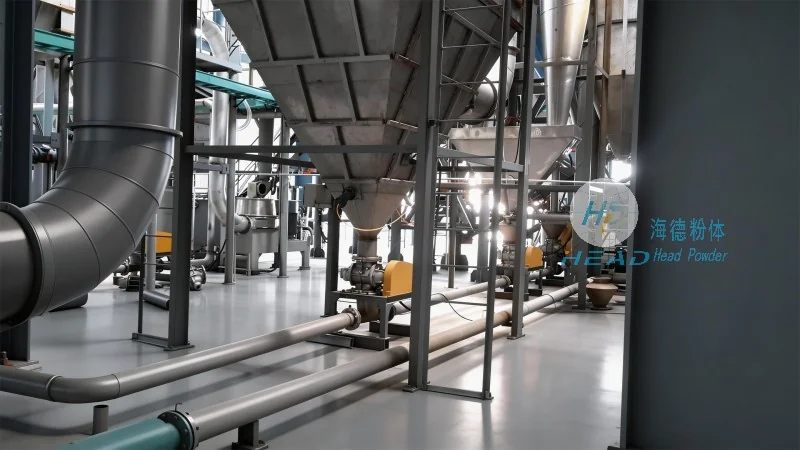
Belt conveyors are among the most prevalent systems for transporting bulk materials, including coal particles. They operate by moving a continuous belt that carries the material from the loading point to the discharge point. The primary advantage of belt conveyors is their high capacity and ability to handle long-distance transport with minimal labor. They are also relatively straightforward to install and maintain, making them cost-effective for many scenarios. However, belt conveyors have notable drawbacks. For example, they require regular maintenance to prevent belt wear and tear, and their efficiency can be compromised by factors such as material buildup or belt slippage. Additionally, they may not be suitable for steep inclines or complex terrain without additional modifications.
Screw conveyors utilize a rotating screw to move material along a tube or trough. This type of conveyor is particularly effective for handling small to medium-sized coal particles and is often employed in vertical or inclined applications. One of the key advantages of screw conveyors is their enclosed design, which helps contain dust and prevent material spillage. They are also relatively compact and can be easily integrated into existing systems. However, screw conveyors have limitations in terms of capacity and speed. The rotating screw can generate heat, which may affect the quality of heat-sensitive coal. Moreover, they are not ideal for transporting large or abrasive particles, as this can lead to increased wear on the screw and trough.
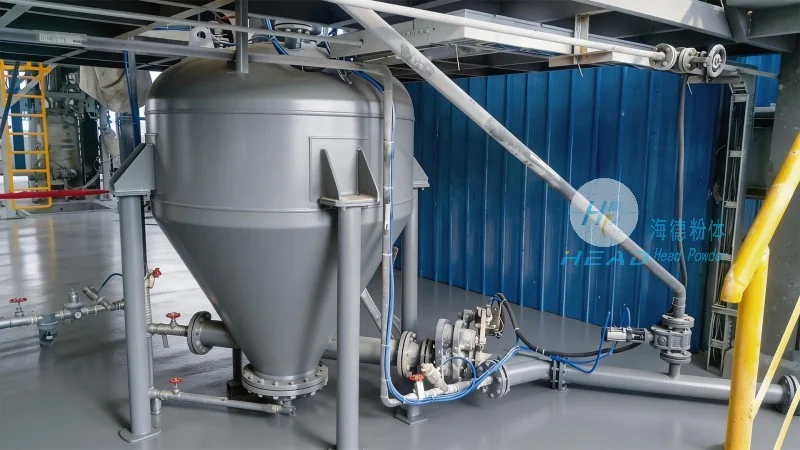
Pneumatic conveying systems use air or gas to transport coal particles through a pipeline. This method is particularly beneficial for applications requiring dust-free environments or the transport of materials over short to medium distances. The main advantage of pneumatic conveying is its ability to handle fine coal particles without mechanical contact, reducing the risk of material degradation. It also allows for flexible routing and can be integrated with other processing equipment. Nevertheless, pneumatic conveying systems have significant energy consumption, as they require powerful blowers to maintain air pressure. The equipment is also more complex and expensive to install and maintain compared to other methods. Additionally, the system may be less efficient for very large or heavy coal particles, as the air flow may not provide sufficient force.
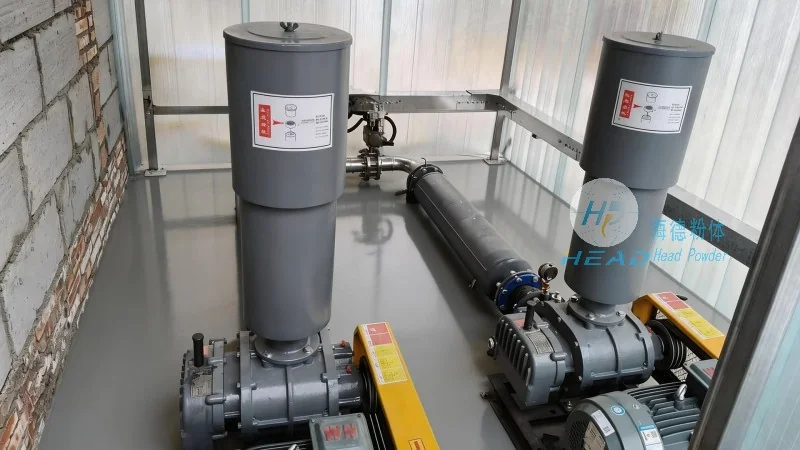
Bucket elevators are vertical or inclined conveyors that use a series of buckets attached to a chain or belt to lift and transport coal particles. They are commonly used in applications where vertical transport is necessary, such as in coal storage facilities or processing plants. The primary advantage of bucket elevators is their high vertical lifting capacity and ability to handle large volumes of material. They are also relatively reliable and can operate continuously without frequent maintenance. However, bucket elevators have limitations in terms of horizontal transport and may require additional equipment for horizontal movement. The system can also be more complex to install, especially in areas with limited vertical space. Moreover, the buckets and chains are subject to wear and tear, which may lead to increased maintenance costs over time.
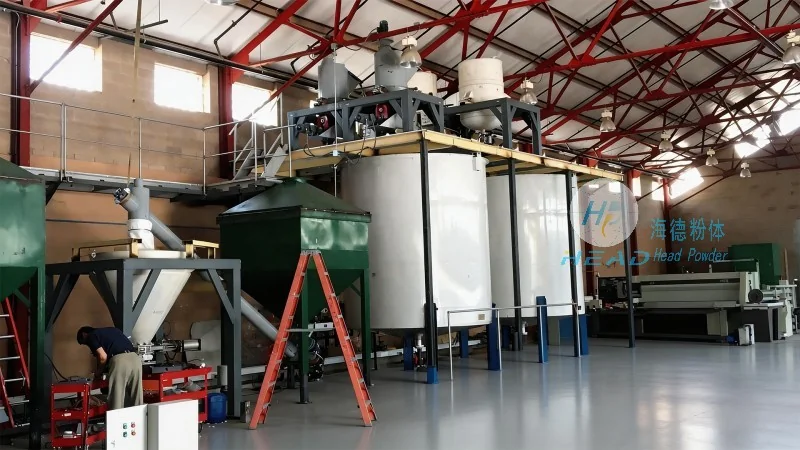
Shandong HeadPowder Engineering Co., Ltd., a leading manufacturer of bulk material handling equipment, specializes in designing and supplying customized conveying solutions for coal and other bulk materials. With years of experience in the industry, HeadPowder understands the unique challenges of coal particle transport and offers tailored solutions that address specific operational requirements. The company's engineers work closely with clients to evaluate factors such as material characteristics, distance, and environmental constraints to recommend the most efficient and cost-effective conveying method. Whether it's a belt conveyor, screw conveyor, or pneumatic system, HeadPowder provides high-quality equipment that meets industry standards and ensures reliable performance. By leveraging advanced technology and rigorous quality control, HeadPowder helps clients optimize their coal handling processes and improve overall productivity.
In conclusion, the choice of coal particle conveying method depends on various factors, including the type of coal, transport distance, and operational environment. Each method has its own set of advantages and disadvantages, and selecting the right one requires careful consideration of these factors. Companies like Shandong HeadPowder Engineering Co., Ltd. play a crucial role in providing expert guidance and high-quality equipment to help industries achieve efficient and safe coal transport. By understanding the strengths and limitations of different conveying methods, businesses can make informed decisions that enhance their operational efficiency and reduce costs.

 Shandong Headpowder Engineering Co., Ltd.
 156-6277-7102(Manager Zhang)
  0531-83386006
  Zhangqiu District, Jinan City, Shandong Province, China
telephone
WeChatconsult
top