With more than 10‑year industry experience, Shandong Headpowder delivers full‑service pneumatic‑conveying systems and blowers, undertaking nationwide turn‑key powder‑handling projects.
Desulfurization fly ash, as a byproduct from flue gas desulfurization processes in thermal power plants and other industrial facilities, requires efficient handling and transportation. The pneumatic conveying line is a key system designed to transport this material from the collection point to the disposal or utilization site. This article provides a detailed overview of the operation process and working principle of such a system, highlighting the technical aspects and operational considerations.
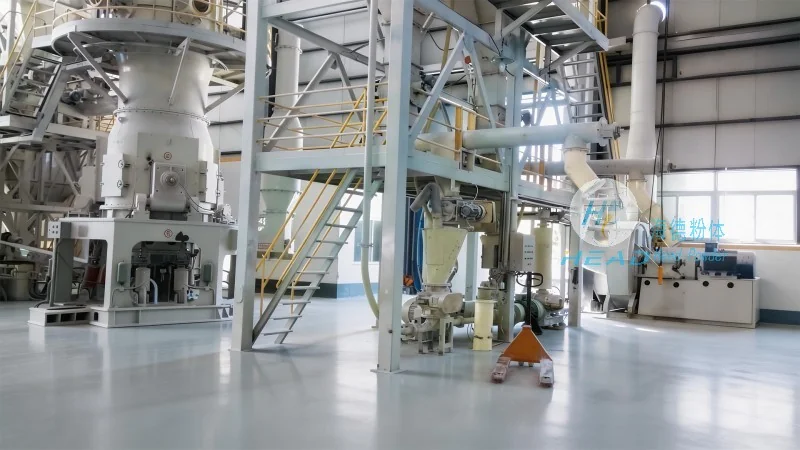
Desulfurization fly ash, also known as FGD (Flue Gas Desulfurization) fly ash, is a fine particulate material generated during the removal of sulfur dioxide from flue gases. It typically contains calcium sulfate dihydrate (gypsum) and other inert components. Due to its fine particle size and high moisture content, traditional bulk material handling methods may not be suitable. Pneumatic conveying offers a reliable solution by using air as the conveying medium to transport the ash through a pipeline network.
The desulfurization fly ash pneumatic conveying line consists of several critical components that work in tandem to ensure efficient operation. These components include the ash collection hopper, the air compressor or blower, the conveying pipeline, the control system, and the discharge hopper or silo. Each component plays a vital role in the overall system performance.
The operation of the pneumatic conveying system for desulfurization fly ash involves several sequential steps. The process begins with the ash being collected in the hopper, where it is stored before being fed into the conveying line. A feeder, such as a rotary valve or a screw conveyor, then meters the ash into the pipeline at a controlled rate. Simultaneously, the air compressor generates a high-pressure air stream that is introduced into the pipeline. The air flow creates a negative pressure or positive pressure environment, depending on the system design, which lifts and transports the ash particles through the pipeline.
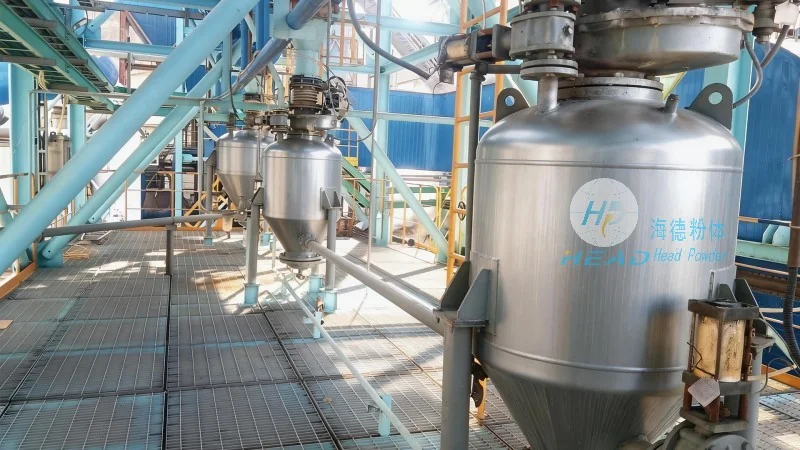
As the ash particles are entrained by the air stream, they travel through the pipeline to the discharge point. The velocity of the air and the particle size determine the conveying velocity and the required air volume. The system is designed to maintain a stable flow rate to prevent blockages or material degradation. The air and ash mixture then reaches the discharge hopper, where the ash is separated from the air through a cyclone separator or a filter. The purified air is then released back into the atmosphere or recirculated, while the ash is collected for further processing or disposal.
The daily operation of the desulfurization fly ash pneumatic conveying line involves several key steps to ensure smooth and efficient performance. The process starts with the preparation phase, where the system is checked for any maintenance needs or operational issues. The ash hopper is then filled with the fly ash, and the feeder is adjusted to the desired flow rate. The air compressor is started, and the system is activated to begin the conveying process.
During the conveying operation, the control system monitors the pressure, flow rate, and temperature of the system to ensure optimal performance. Any deviations from the set parameters are automatically adjusted by the system to maintain stable operation. The discharge hopper is monitored for ash levels, and the system is adjusted as needed to prevent overfilling or underfilling. The operation continues until the ash hopper is empty or the required amount of ash has been transported.
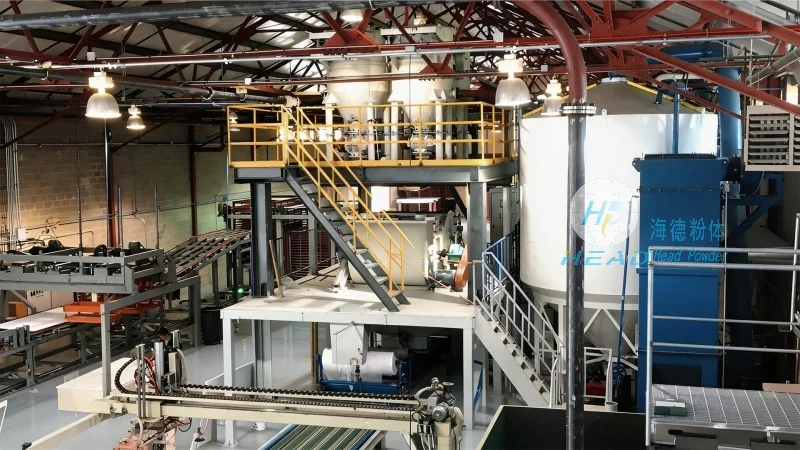
At the end of the operation, the system is shut down in a controlled manner. The air compressor is turned off, and the pipeline is depressurized to prevent air leakage. The ash hopper and discharge hopper are emptied, and any accumulated ash is removed for disposal or further processing. The system is then cleaned and maintained as per the maintenance schedule to ensure it remains in good working condition for the next operation cycle.
Several technical considerations are crucial for the efficient operation of the desulfurization fly ash pneumatic conveying line. The selection of the appropriate air compressor or blower is critical, as it must provide sufficient air volume and pressure to transport the ash at the desired flow rate. The pipeline diameter and length also affect the system performance, as larger diameters reduce pressure drop but increase cost. The material of construction for the pipeline and components must be resistant to corrosion and abrasion caused by the ash particles.
Another important consideration is the ash properties, such as particle size distribution, moisture content, and density. These factors influence the conveying velocity and the required air volume. For example, finer ash particles require higher air velocities to maintain stable flow, while higher moisture content may lead to blockages or increased wear on the system components. Proper design and sizing of the system based on these properties are essential for optimal performance.
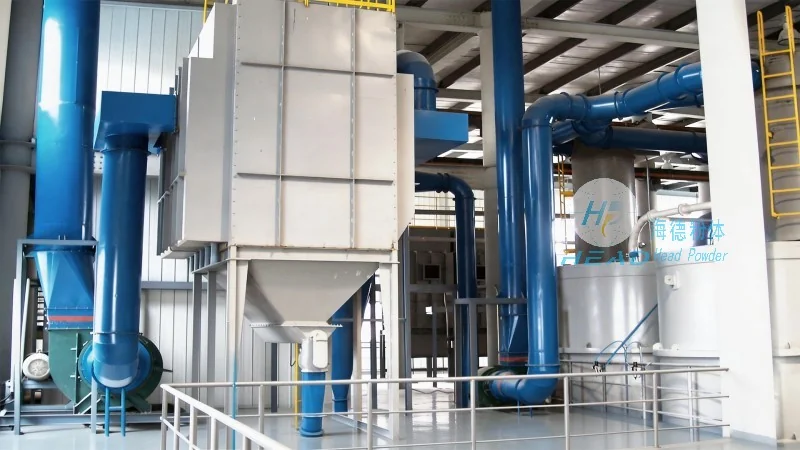
The use of pneumatic conveying for desulfurization fly ash offers several benefits, including high efficiency, low maintenance, and minimal environmental impact. The system can transport the ash over long distances without the need for intermediate storage or handling, reducing the risk of dust emissions and environmental contamination. It also allows for the integration of the ash with other materials for utilization, such as in cement production or soil amendment.
Shandong HeadPowder Engineering Co., Ltd., a leading provider of industrial material handling solutions, specializes in designing and manufacturing customized pneumatic conveying systems for desulfurization fly ash. With years of experience in the industry, the company has developed advanced technologies and solutions to meet the diverse needs of power plants and industrial facilities. The company's systems are designed to ensure reliable and efficient operation, with minimal downtime and maintenance requirements.
Located in Shandong, China, Shandong HeadPowder Engineering Co., Ltd. leverages its local expertise and resources to provide high-quality products and services to clients worldwide. The company's commitment to innovation and customer satisfaction has made it a trusted partner in the industrial material handling sector. By adhering to strict quality standards and adhering to industry best practices, the company ensures that its pneumatic conveying systems meet the highest performance and safety requirements.

 Shandong Headpowder Engineering Co., Ltd.
 156-6277-7102(Manager Zhang)
  0531-83386006
  Zhangqiu District, Jinan City, Shandong Province, China
telephone
WeChatconsult
top