With more than 10‑year industry experience, Shandong Headpowder delivers full‑service pneumatic‑conveying systems and blowers, undertaking nationwide turn‑key powder‑handling projects.
Acrylate rubber, a versatile synthetic elastomer, is widely used in various industrial applications due to its excellent resistance to heat, chemicals, and weathering. When it comes to handling and transporting acrylate rubber, selecting the right conveying method is crucial to ensure efficiency, safety, and material integrity. This article explores the primary methods used for acrylate rubber conveying, providing insights into each approach's advantages and practical applications.
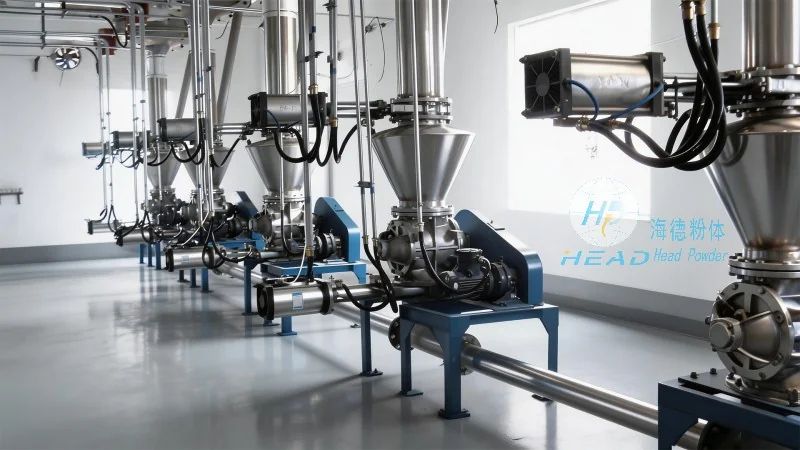
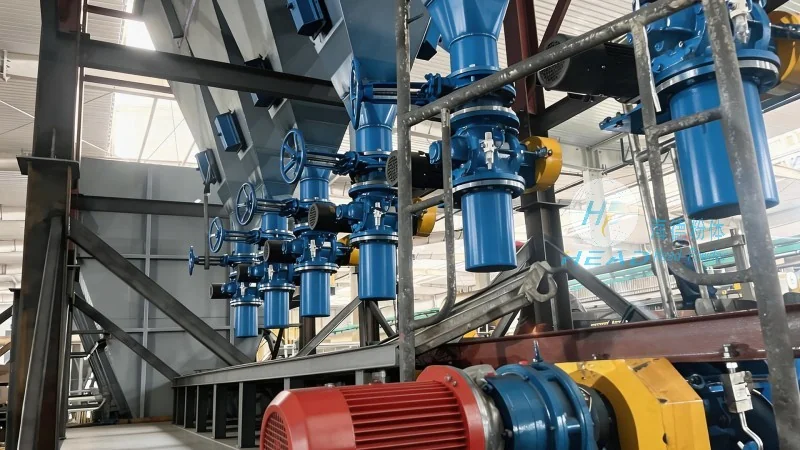
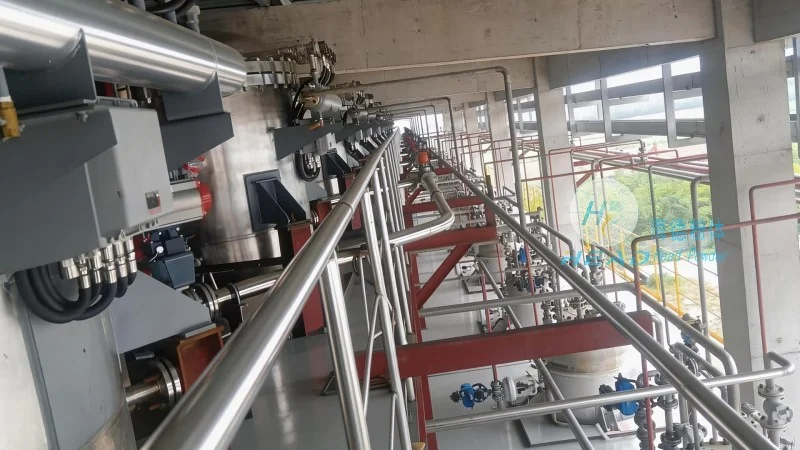
Belt conveyors are among the most widely used systems for transporting acrylate rubber. These systems consist of a continuous loop of material (often rubber or synthetic fabric) that moves over rollers or pulleys. The belt can be designed to handle different types of acrylate rubber, including granules, pellets, or even larger chunks, depending on the application. For acrylate rubber, the belt material is typically chosen for its resistance to the rubber's chemicals and heat. The smooth surface of the belt helps minimize friction and wear, which is critical when handling abrasive or sticky materials like acrylate rubber. Belt conveyors are suitable for both short and long-distance transport, making them ideal for production lines, storage facilities, and processing plants. They offer high throughput and can be integrated with other equipment, such as hoppers and feeders, to streamline the conveying process. The design of the belt conveyor, including the angle of inclination and the speed of the belt, can be adjusted to match the specific characteristics of the acrylate rubber being transported, ensuring optimal performance.
Screw conveyors, also known as auger conveyors, are another effective method for transporting acrylate rubber, particularly in its granular or pellet form. These systems use a rotating screw (auger) enclosed in a trough to move material along the conveyor. The screw's design—such as the pitch and diameter—can be customized to handle different sizes and types of acrylate rubber. For acrylate rubber, the screw is often made of corrosion-resistant materials like stainless steel or coated with a non-stick surface to prevent material buildup. Screw conveyors are well-suited for vertical or inclined transport, allowing for elevation changes without the need for additional equipment. They provide consistent and controlled material flow, which is essential for maintaining product quality. Additionally, screw conveyors are compact and can be installed in tight spaces, making them a practical choice for facilities with limited floor space. However, it's important to note that screw conveyors may generate more heat due to the friction between the screw and the material, so proper cooling and maintenance are necessary to prevent overheating of the acrylate rubber.

 Shandong Headpowder Engineering Co., Ltd.
 156-6277-7102(Manager Zhang)
  0531-83386006
  Zhangqiu District, Jinan City, Shandong Province, China
telephone
WeChatconsult
top