

Operation Process and Working Principle of Titanium Ore Powder Pneumatic Conveying
Pneumatic conveying is a critical technology in the handling and transportation of bulk materials, particularly in industries dealing with fine powders like titanium ore. The process involves the use of air or other gases to transport solid particles through a pipeline system. For titanium ore powder, this method offers significant advantages in terms of efficiency, safety, and environmental impact compared to traditional methods such as belt conveyors or bucket elevators. This article delves into the operational process and underlying principles of pneumatic conveying for titanium ore powder, highlighting the key components, flow mechanisms, and practical considerations for effective implementation.
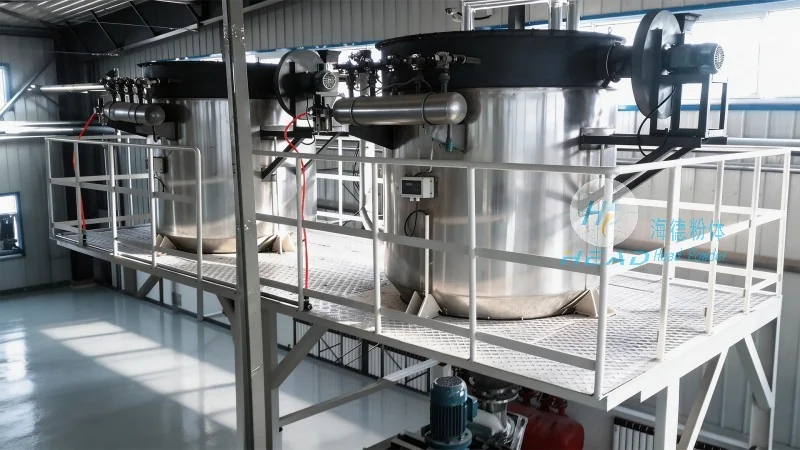
Key Components of the Pneumatic Conveying System
The pneumatic conveying system for titanium ore powder typically consists of several essential components that work in tandem to ensure smooth material transport. The primary elements include a material feeder, a conveying pipeline, a pressure or vacuum source, and a discharge device. The material feeder is responsible for introducing the titanium ore powder into the system at a controlled rate, preventing blockages and maintaining consistent flow. The conveying pipeline, often made of stainless steel or other corrosion-resistant materials due to the potential acidity of titanium ore, is designed to withstand the pressure and temperature variations during operation. The pressure source, such as a blower or a positive displacement pump, generates the necessary airflow to move the powder particles through the pipeline. Finally, the discharge device, which may include a rotary valve or a dust collector, ensures the material is released at the destination without loss or contamination.
Working Principle of Pneumatic Conveying for Titanium Ore Powder
The fundamental principle behind pneumatic conveying is the creation of a fluidized bed or suspension of the titanium ore powder particles within the air stream. When the air velocity within the pipeline exceeds the minimum fluidization velocity of the powder, the particles become suspended and are carried along with the airflow. This suspension is maintained by the continuous flow of air, which provides the necessary kinetic energy to overcome the gravitational forces acting on the particles. The system operates on the basis of either pressure or vacuum, with pressure systems being more common for titanium ore powder due to their ability to handle higher material loads and longer distances. In a pressure system, the air is introduced at the inlet of the pipeline, and the material is fed into the system at the same point, allowing the air to carry the powder forward. The velocity of the air is crucial; it must be sufficient to keep the particles suspended but not so high as to cause excessive wear on the pipeline or equipment.
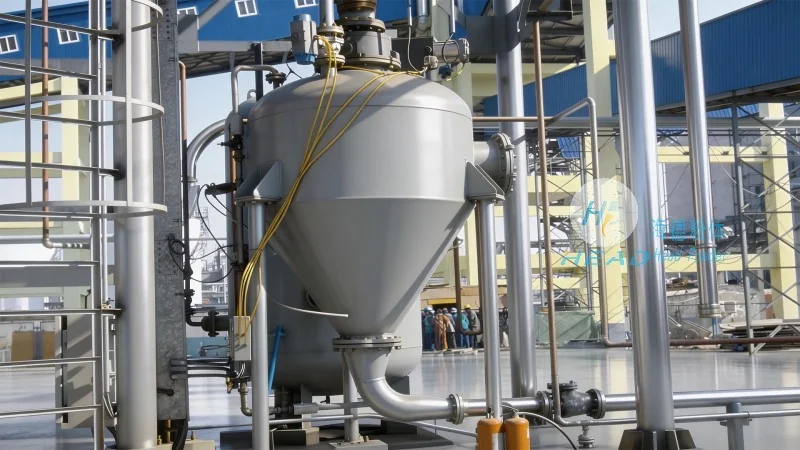
Operation Process of Titanium Ore Powder Pneumatic Conveying
The operational process of pneumatic conveying for titanium ore powder involves several sequential steps that ensure efficient and reliable material transport. The first step is the preparation of the titanium ore powder, which may include drying or sieving to remove moisture or oversized particles that could affect the conveying efficiency. Next, the material is fed into the system using a suitable feeder, such as a rotary valve or a screw feeder, at a controlled rate. The air is then introduced into the pipeline at the inlet, creating a high-velocity stream that picks up the powder particles. As the mixture travels through the pipeline, it may encounter bends or changes in direction, which are designed to minimize particle separation and maintain the suspension. The pipeline is typically equipped with pressure sensors and flow meters to monitor the system performance and adjust the air flow as needed. Upon reaching the destination, the material is discharged through a rotary valve or a dust collector, which separates the powder from the air and collects it in a storage bin or processing unit. The exhaust air is then filtered to remove any residual dust before being released into the environment.
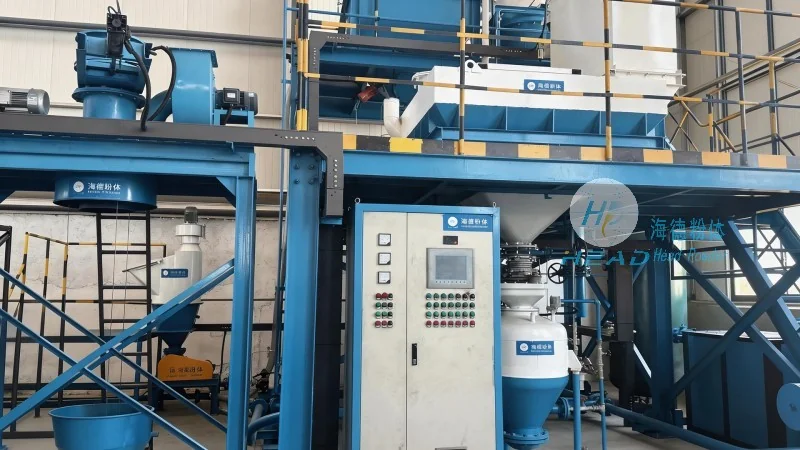
Advantages and Considerations for Titanium Ore Powder Pneumatic Conveying
Pneumatic conveying offers several advantages for the transport of titanium ore powder, making it a preferred choice in many industrial applications. One of the key benefits is the ability to handle fine powders without the risk of segregation or degradation, which can occur with other methods. The system is also relatively compact and can be installed in a variety of layouts, including vertical or horizontal configurations, to suit the specific requirements of the facility. Additionally, pneumatic conveying reduces the risk of dust exposure and contamination, as the material is contained within the pipeline throughout the transport process. However, there are also considerations to keep in mind when implementing this technology. The system requires careful design to ensure that the air velocity is sufficient to maintain particle suspension without causing excessive pressure drops or wear on the equipment. The pipeline material must be selected to resist corrosion from the titanium ore powder, which may contain acidic components. Furthermore, the system must be equipped with proper dust collection and filtration to comply with environmental regulations and ensure worker safety.
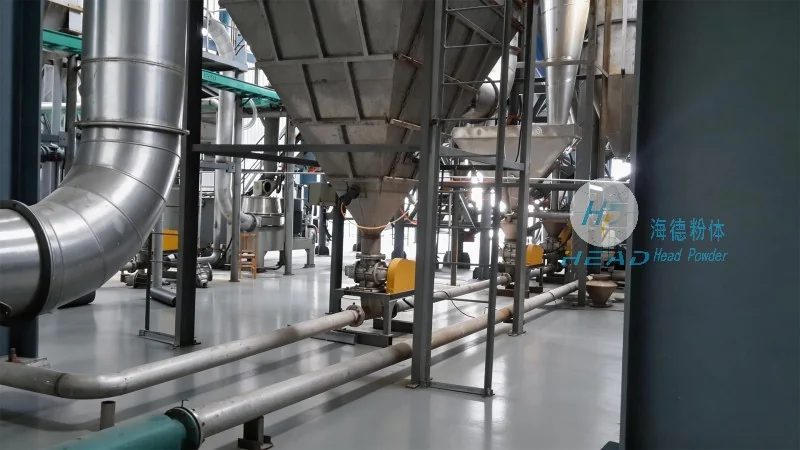
Application and Industry Impact
The application of pneumatic conveying for titanium ore powder has a significant impact on the efficiency and productivity of industrial operations. By enabling the safe and efficient transport of fine powders over long distances, the technology supports the smooth operation of processing plants, such as those involved in the production of titanium dioxide or other titanium-based products. The use of pneumatic conveying also reduces the need for manual handling of materials, minimizing the risk of accidents and improving overall workplace safety. In addition, the technology contributes to environmental sustainability by reducing the amount of dust released into the air and minimizing the need for additional equipment like belt conveyors, which can be energy-intensive and require more maintenance. For companies operating in the titanium ore processing industry, implementing a well-designed pneumatic conveying system can lead to improved operational efficiency, reduced costs, and enhanced product quality.
Conclusion
In conclusion, the pneumatic conveying of titanium ore powder is a sophisticated and effective method for material handling and transportation. By understanding the key components, working principles, and operational process of the system, industries can optimize their material transport operations to achieve higher efficiency, safety, and environmental compliance. The technology, when properly designed and maintained, offers a reliable solution for the transport of fine powders, supporting the growth and sustainability of the titanium ore processing industry. As a leading provider in this field, Shandong HeadPowder Engineering Co., Ltd. specializes in the design, manufacturing, and installation of pneumatic conveying systems tailored to the specific needs of titanium ore powder applications, ensuring that clients receive high-quality, efficient, and durable solutions for their material handling challenges.