With more than 10‑year industry experience, Shandong Headpowder delivers full‑service pneumatic‑conveying systems and blowers, undertaking nationwide turn‑key powder‑handling projects.
Trilead materials, a critical component in modern battery technology, require efficient and reliable conveying systems to ensure smooth production processes. Among the various methods available, pneumatic conveying stands out as a preferred solution for handling these materials due to its unique advantages and operational characteristics. This article explores the different trilead material conveying methods and highlights the key benefits of pneumatic conveying, providing insights into how companies like Shandong HeadPowder Engineering Co., Ltd. leverage such technologies to enhance their operations.
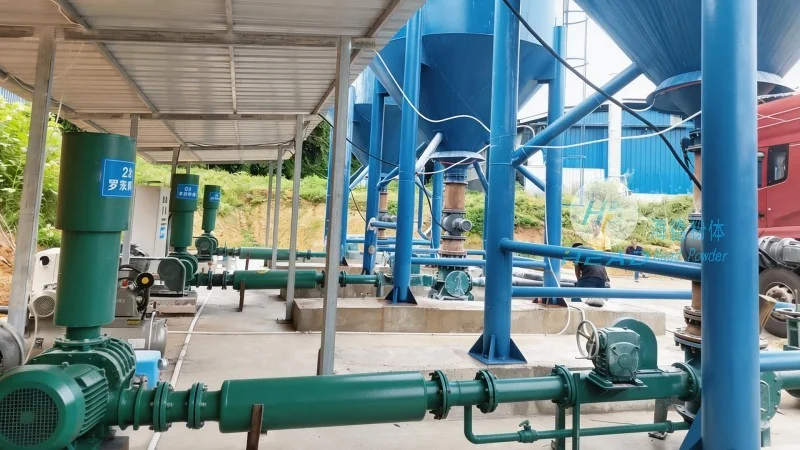
Trilead materials, typically composed of lithium nickel manganese cobalt oxide (NMC) or similar compounds, are used in lithium-ion batteries. The efficient transportation of these powders from one processing stage to another is essential for maintaining production efficiency and product quality. Traditional conveying methods include mechanical systems like screw conveyors, belt conveyors, and bucket elevators. However, these methods often face challenges such as material degradation, blockages, and contamination, especially when dealing with fine powders like trilead materials. Pneumatic conveying, on the other hand, offers a more controlled and hygienic approach to material handling.
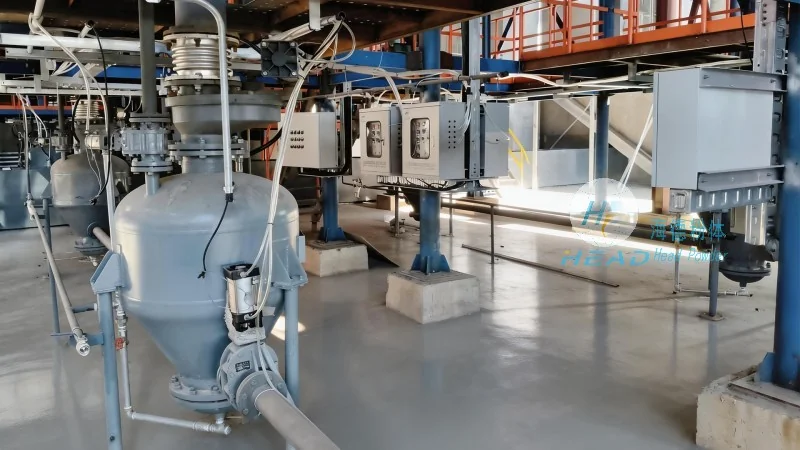
Pneumatic conveying systems utilize air or other gases to transport materials through a pipeline. This method is particularly suitable for trilead materials due to several inherent advantages. First, it provides a closed system that minimizes exposure to external contaminants, ensuring the purity of the material. Second, pneumatic conveying allows for gentle handling of fine powders, reducing the risk of agglomeration or particle damage. Third, the system can be designed to handle varying material flow rates, making it adaptable to different production scales. Shandong HeadPowder Engineering Co., Ltd., a leading manufacturer in the field, specializes in designing and implementing such pneumatic conveying solutions tailored to the specific needs of trilead material processing.
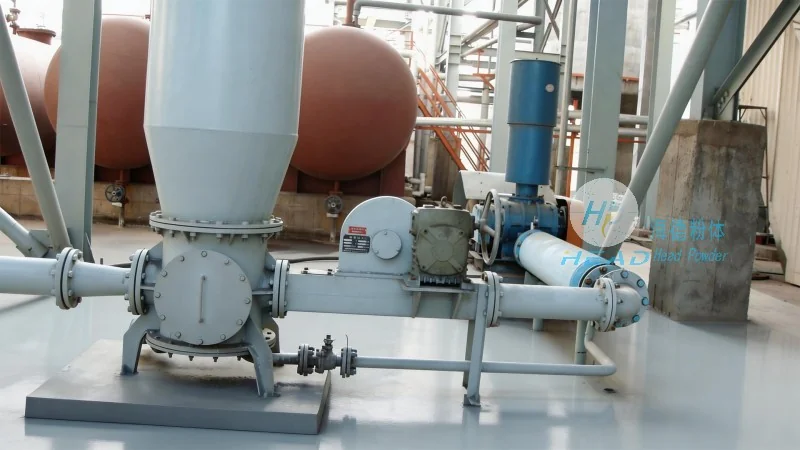
When compared to other conveying methods, pneumatic conveying offers several distinct advantages for trilead materials. One of the most significant benefits is the ability to maintain a clean and controlled environment. The closed pipeline system prevents dust and particles from escaping into the workspace, which is crucial for maintaining product quality and compliance with industry standards. Additionally, pneumatic conveying reduces the need for manual handling, thereby improving workplace safety and reducing labor costs. The system's flexibility in terms of layout and integration with other processing equipment also makes it a cost-effective solution for modern manufacturing facilities. For companies operating in the battery industry, these advantages translate into improved efficiency, reduced downtime, and enhanced product consistency.
The application of pneumatic conveying in trilead material processing spans various stages of production, from raw material handling to final product packaging. In the raw material stage, pneumatic systems can efficiently transport raw powders from storage silos to mixing and blending equipment. During the mixing process, the system ensures uniform distribution of the trilead material, which is critical for achieving the desired chemical composition. In the final stages, pneumatic conveying can be used to transport finished products to packaging lines or storage areas. Shandong HeadPowder Engineering Co., Ltd. has extensive experience in implementing such systems, working closely with clients to design customized solutions that meet their specific production requirements and operational constraints.
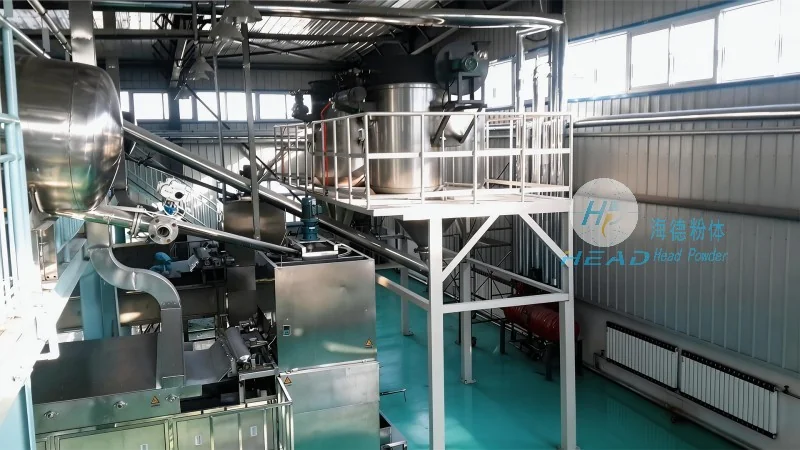
In conclusion, the choice of conveying method for trilead materials significantly impacts the efficiency and quality of battery production. Pneumatic conveying, with its advantages in cleanliness, material handling, and system flexibility, is increasingly becoming the preferred method in the industry. Companies like Shandong HeadPowder Engineering Co., Ltd. play a vital role in providing advanced conveying solutions that enable manufacturers to optimize their processes and meet the growing demands of the battery market. By leveraging the expertise and technology offered by such companies, businesses can enhance their operational performance and maintain a competitive edge in the industry.

 Shandong Headpowder Engineering Co., Ltd.
 156-6277-7102(Manager Zhang)
  0531-83386006
  Zhangqiu District, Jinan City, Shandong Province, China
telephone
WeChatconsult
top