

The Operation Process and Working Principle of Joint Compound Pneumatic Conveying
HeadPowder, a leading manufacturer based in Shandong, China, specializes in advanced solutions for material handling, particularly in the application of pneumatic conveying systems for joint compound. This technology is crucial for efficiently transporting dry, fine materials like joint compound, which is widely used in construction and interior finishing projects. The following sections will detail the operational process and underlying principles of such systems, highlighting the technical aspects and practical applications.
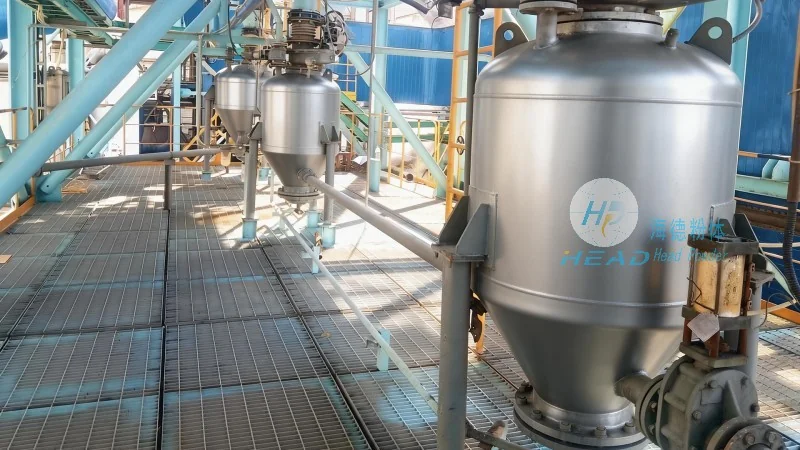
Understanding Pneumatic Conveying Systems
Pneumatic conveying systems utilize air or gas to transport bulk materials through a pipeline network. In the context of joint compound, these systems are designed to handle the specific characteristics of the material, including its fine particle size, low bulk density, and potential for dust generation. The core components of a typical pneumatic conveying system include a material feed hopper, a conveyor line (often with multiple sections), a control valve, and a discharge outlet. The system operates by creating a pressure differential that propels the material through the pipeline using compressed air.
The Operational Process of Joint Compound Pneumatic Conveying
The operation of a joint compound pneumatic conveying system involves several sequential steps, each critical to ensuring efficient and reliable material transport. Initially, the joint compound is fed into the system from a storage silo or hopper. The material is then drawn into the conveyor line by the action of the compressed air, which creates a negative pressure (suction mode) or positive pressure (blowing mode) within the pipeline. The choice between suction and pressure modes depends on the distance and layout of the conveying line, as well as the material's properties. As the material travels through the pipeline, it is mixed with the air stream, forming a slurry-like mixture that facilitates smooth transport. The system may include intermediate sections with cyclones or filters to separate the material from the air, ensuring that the material is deposited at the destination without excessive dust or air leakage.
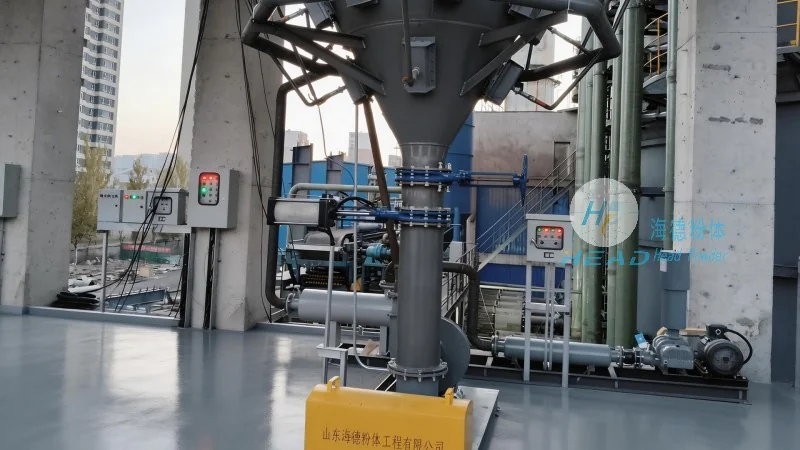
Key Working Principles and Technical Considerations
Several fundamental principles govern the effective operation of pneumatic conveying systems for joint compound. First, the air velocity within the pipeline must be sufficient to overcome the material's resistance to flow, preventing clogging or blockages. This requires precise control of the air pressure and flow rate, which are managed by the system's control valve and compressor. Second, the design of the pipeline and components must account for the material's particle size and density. For joint compound, which typically consists of fine gypsum or other binders, the pipeline diameter and bends are optimized to minimize friction losses and maintain consistent air velocity. Additionally, the system incorporates features such as air locks and pressure relief valves to prevent backflow and protect against overpressure, ensuring safe and reliable operation.
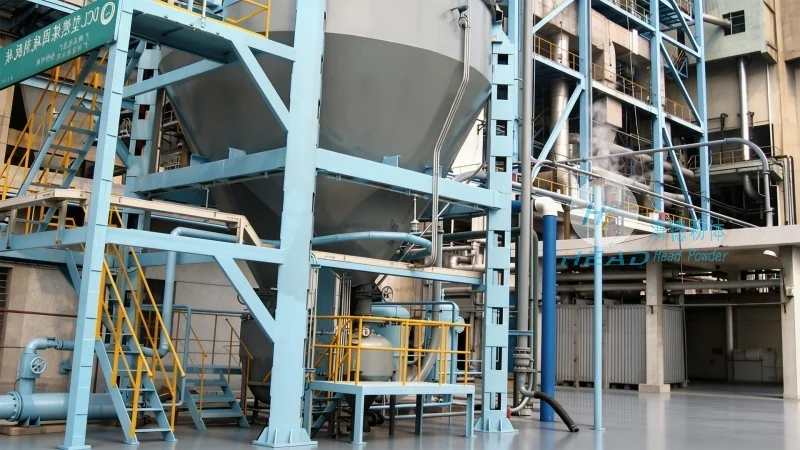
Benefits and Applications in Construction
The adoption of pneumatic conveying systems for joint compound offers numerous advantages in construction and finishing applications. These systems enhance productivity by enabling rapid and continuous material transport, reducing downtime associated with manual handling or traditional bulk transport methods. The technology also improves safety by minimizing the risk of dust exposure and handling hazards, as the material is contained within the pipeline during transport. Furthermore, the precision and control offered by pneumatic systems allow for consistent material delivery to work sites, ensuring uniform application of joint compound in walls and ceilings. This is particularly valuable in large-scale construction projects where consistent quality and efficiency are critical.
Conclusion and Company Overview
HeadPowder Engineering Co., Ltd., based in Shandong, China, exemplifies the application of advanced pneumatic conveying technology for joint compound. By leveraging the principles of efficient material handling and precise control, the company provides reliable solutions that meet the demands of modern construction and finishing industries. The operational process and working principles outlined above highlight the technical sophistication and practical benefits of such systems, underscoring their importance in maintaining productivity, safety, and quality in material transport. As a leading provider in the field, HeadPowder continues to innovate and refine its systems to address the evolving needs of the construction sector.