With more than 10‑year industry experience, Shandong Headpowder delivers full‑service pneumatic‑conveying systems and blowers, undertaking nationwide turn‑key powder‑handling projects.
Micro silica powder, also known as fumed silica, is a fine powder with a high surface area and unique properties. Its efficient handling and transportation are crucial for industrial applications. Pneumatic conveying systems are widely used for micro silica powder due to their ability to transport powders in a dust-free environment. This article provides an overview of the classification and key components of micro silica powder pneumatic conveying systems.
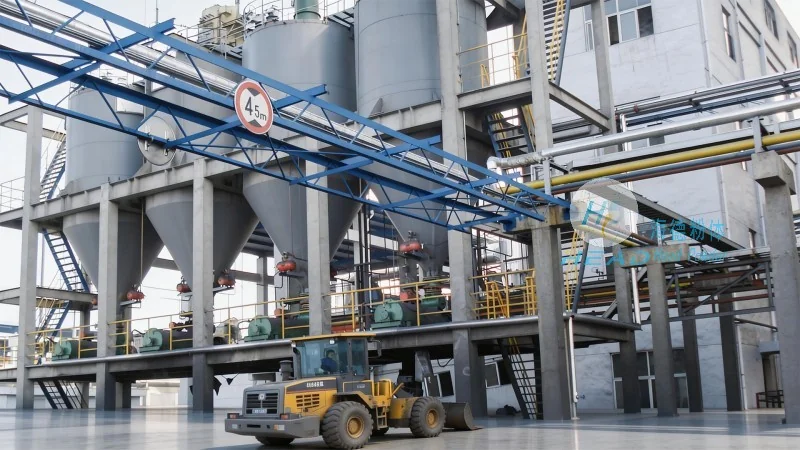
Micro silica powder is a high-purity silica powder with a particle size typically ranging from 0.01 to 100 micrometers. It is commonly used in industries such as construction, electronics, and pharmaceuticals. The handling of micro silica powder requires specialized equipment to prevent dust contamination and ensure safe operation. Pneumatic conveying systems offer a solution by using air to transport the powder from one location to another.
Pneumatic conveying systems for micro silica powder can be classified based on the pressure used during operation. The main types include:
Positive pressure systems use compressed air to push the powder through the conveying line. These systems are suitable for short to medium-distance transportation and are commonly used in industries where the powder is transported from a storage silo to a processing unit. The system consists of a blower, a hopper, a feeder, and a conveying line. The compressed air is introduced into the hopper, which causes the powder to be drawn into the conveying line and transported to the destination.
Negative pressure systems use a vacuum to pull the powder from the source into the conveying line. These systems are ideal for long-distance transportation and are often used when the powder needs to be transported from a processing area back to a storage silo. The system includes a vacuum pump, a hopper, a feeder, and a conveying line. The vacuum is created by the pump, which draws the powder from the source and transports it to the storage location.
Hybrid systems combine both positive and negative pressure principles. They are used for complex conveying routes that require both pushing and pulling actions. These systems are more versatile and can handle a wider range of distances and powder characteristics. The components include a combination of blowers and vacuum pumps, along with additional control valves and filters.
Regardless of the classification, micro silica powder pneumatic conveying systems share several essential components. These components work together to ensure efficient and safe powder transportation.
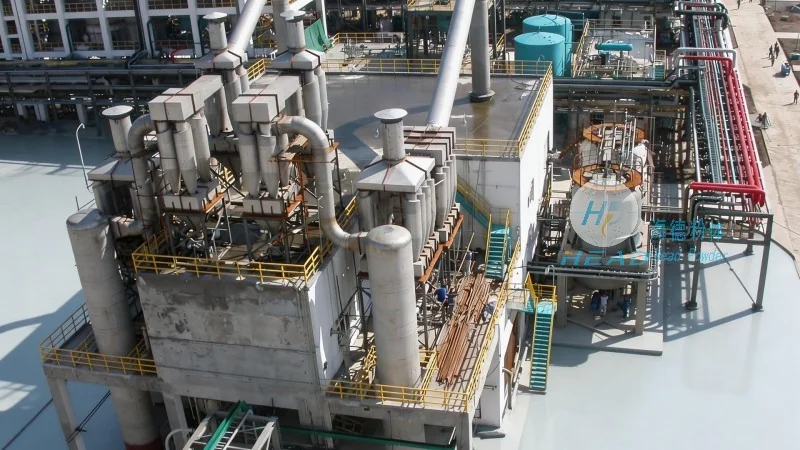
The hopper is a container that holds the micro silica powder. It is designed to provide a consistent flow of powder to the feeder. The feeder is responsible for controlling the flow rate of the powder into the conveying line. For micro silica powder, a rotary valve or a vibratory feeder is commonly used to ensure a smooth and controlled feed. The hopper and feeder are typically made of stainless steel or other corrosion-resistant materials to prevent contamination and ensure durability.
The conveying line is the main component that transports the powder. It is usually made of stainless steel or plastic pipes, depending on the application. The pipe diameter and length are critical factors that affect the conveying efficiency. For micro silica powder, a larger diameter pipe is often used to reduce pressure drop and ensure smooth flow. The line is equipped with elbows, tees, and other fittings to direct the powder to the desired location. The material of the pipe must be resistant to abrasion and corrosion to handle the fine powder.
The air supply system provides the necessary pressure or vacuum for the conveying process. For positive pressure systems, a blower or a compressor is used to generate compressed air. The air is filtered to remove any moisture or contaminants that could affect the powder quality. The control system regulates the air flow and pressure, ensuring stable operation. In negative pressure systems, a vacuum pump is used to create the vacuum. The pump is also equipped with filters to prevent dust from entering the system.
Micro silica powder is a fine powder that can easily become airborne. To prevent dust contamination and ensure a safe working environment, a dust collection and filtration system is essential. This system includes a filter or a cyclone separator that captures the powder particles from the air. The collected powder is then returned to the hopper, while the clean air is released back into the environment. The filtration system must be efficient and capable of handling the high volume of air and fine particles.
The control and monitoring system manages the operation of the entire pneumatic conveying system. It includes sensors and controls that monitor the pressure, flow rate, and temperature of the system. The system can be programmed to adjust the air flow and feed rate based on the powder conditions. This ensures optimal performance and prevents equipment damage. The control system also includes safety features such as pressure relief valves and emergency stop buttons to protect the operators and the equipment.
Micro silica powder pneumatic conveying systems are widely used in various industries due to their efficiency and flexibility. The systems offer several benefits, including:
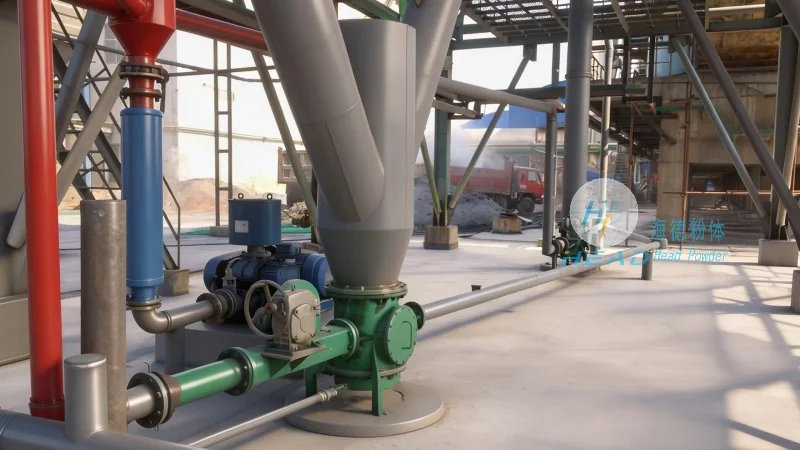
1. Dust-free operation: The systems transport the powder in a closed environment, preventing dust contamination and improving air quality.
2. High efficiency: The systems can transport large quantities of powder over long distances with minimal energy consumption.
3. Low maintenance: The components are designed to handle the fine powder, reducing wear and tear and extending the lifespan of the equipment.
4. Versatility: The systems can be customized to meet the specific requirements of different applications, including different powder types and conveying distances.
5. Safety: The systems are equipped with safety features that protect the operators and the environment from potential hazards.
Micro silica powder pneumatic conveying systems are essential for the efficient handling and transportation of micro silica powder. The classification and key components of these systems are crucial for understanding their operation and selecting the appropriate system for specific applications. The systems offer several benefits, including dust-free operation, high efficiency, and low maintenance. With the right design and components, micro silica powder pneumatic conveying systems can provide reliable and safe transportation for various industrial applications.

 Shandong Headpowder Engineering Co., Ltd.
 156-6277-7102(Manager Zhang)
  0531-83386006
  Zhangqiu District, Jinan City, Shandong Province, China
telephone
WeChatconsult
top