

Operation Process and Working Principle of Desulfurization Fly Ash Pneumatic Conveying
Desulfurization fly ash, a byproduct of flue gas desulfurization processes in power plants and industrial facilities, requires efficient handling and transportation for reuse or disposal. Pneumatic conveying systems offer a reliable solution for transporting this material over long distances or to different processing sites. This article provides an overview of the operation process and working principles of pneumatic conveying systems specifically designed for desulfurization fly ash, highlighting key components, operational steps, and the benefits of such systems.
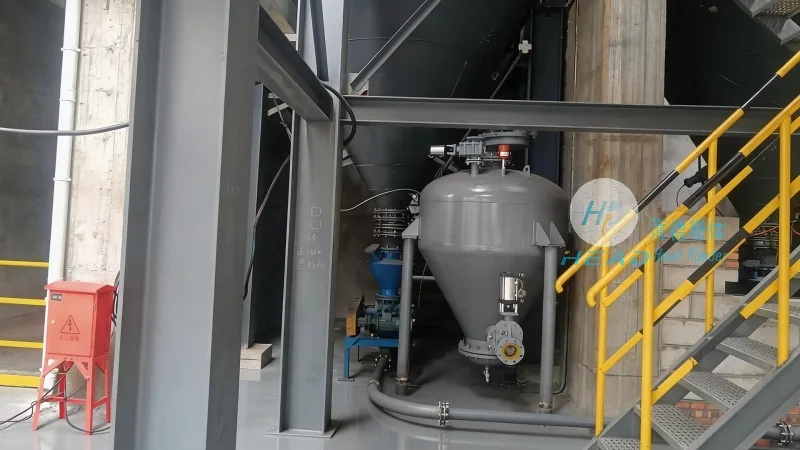
Key Components of Pneumatic Conveying Systems for Desulfurization Fly Ash
The pneumatic conveying system for desulfurization fly ash typically consists of several essential components that work in tandem to ensure efficient material transport. These components include the hopper or storage silo, a rotary feeder or valve for controlled material discharge, a conveying pipeline, a blower or compressor to generate the necessary air pressure, and a receiver or discharge hopper at the destination. Each component plays a critical role in maintaining the system's performance and reliability.
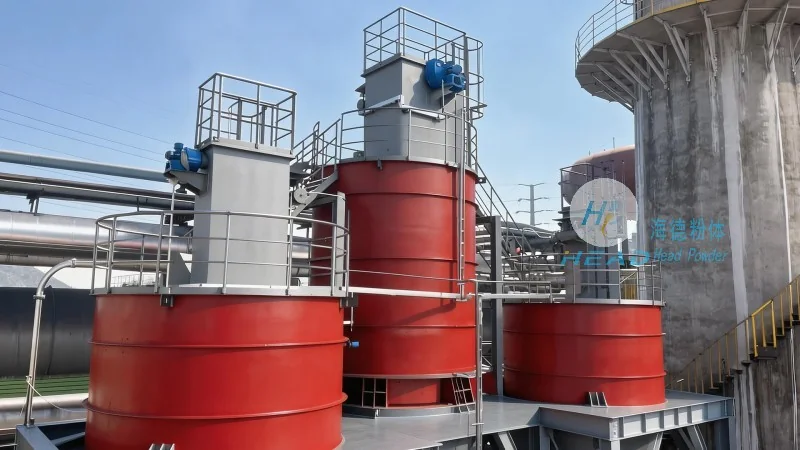
Working Principle of Pneumatic Conveying
The fundamental principle of pneumatic conveying is the use of air flow to transport solid particles through a pipeline. In the case of desulfurization fly ash, the system operates by first feeding the ash from the storage hopper into the conveying line using a rotary feeder. The feeder controls the flow rate to match the air velocity in the pipeline, preventing blockages and ensuring smooth transport. Simultaneously, a blower or compressor generates high-pressure air that is introduced into the pipeline. As the air flows through the pipeline, it carries the fly ash particles along with it, creating a slurry-like mixture that moves toward the receiving hopper. The air velocity is carefully controlled to maintain the particle suspension without causing excessive wear on the pipeline or equipment.
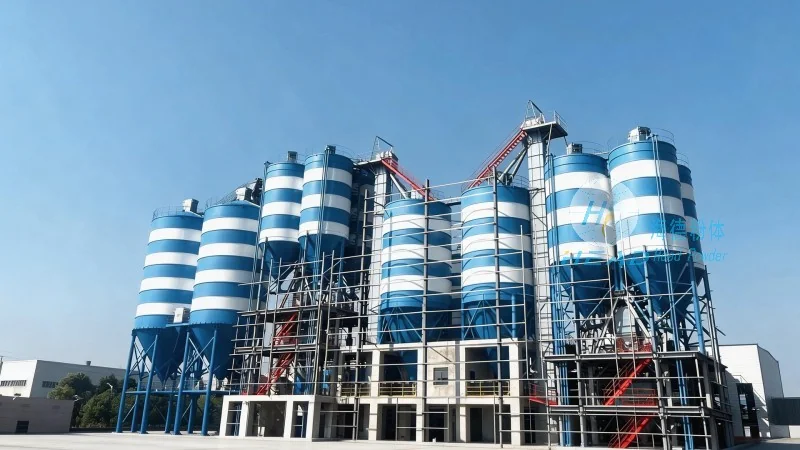
Operation Process of the System
The operation process of a pneumatic conveying system for desulfurization fly ash involves several sequential steps. First, the fly ash is stored in a silo or hopper. The system then starts by activating the rotary feeder, which releases the ash into the conveying pipeline at a controlled rate. The blower or compressor is simultaneously turned on, generating the required air pressure. The air flows through the pipeline, transporting the ash from the source to the destination. At the receiving end, the ash is deposited into a hopper or silo, and the air is filtered and recycled back to the blower to maintain energy efficiency. The system continuously monitors parameters such as pressure, flow rate, and temperature to ensure optimal performance and to detect any potential issues like blockages or air leaks.
Benefits and Considerations for Desulfurization Fly Ash Pneumatic Conveying
Pneumatic conveying systems offer several advantages for handling desulfurization fly ash. These include the ability to transport materials over long distances without the need for multiple transfer points, reduced labor costs due to automated operation, and improved safety by minimizing manual handling of the material. However, the system requires careful design and maintenance to handle the abrasive nature of fly ash, which can cause wear on the pipeline and components. Proper selection of materials for the pipeline, such as stainless steel or special coatings, and regular maintenance of the blower and feeder are essential to ensure long-term reliability and efficiency.
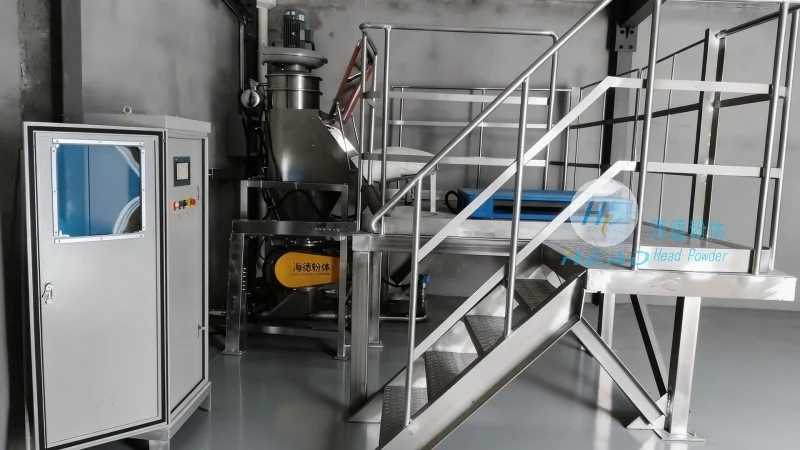
About Shandong HeadPowder Engineering Co., Ltd.
Shandong HeadPowder Engineering Co., Ltd., operating under the brand name headpowder, is a leading provider of engineering solutions for material handling and processing. With a focus on innovative and efficient systems, the company specializes in designing and manufacturing pneumatic conveying equipment tailored to the needs of various industries, including power generation and environmental protection. Headpowder's expertise in material handling technology ensures that clients receive reliable and cost-effective solutions for their desulfurization fly ash transportation requirements. The company is committed to delivering high-quality products and services, backed by years of experience in the field.