

Principle and Working Scene Characteristics of Fly Ash Material Pneumatic Conveying Lines
For industrial applications involving the handling of fly ash, efficient and reliable material transport is crucial. Pneumatic conveying systems offer a solution that combines performance with flexibility, particularly in the context of fly ash material transport. This article explores the fundamental principles behind fly ash pneumatic conveying lines and highlights the key characteristics of their working scenarios, with a focus on the expertise of Shandong HeadPowder Engineering Co., Ltd., a leading provider in this field.
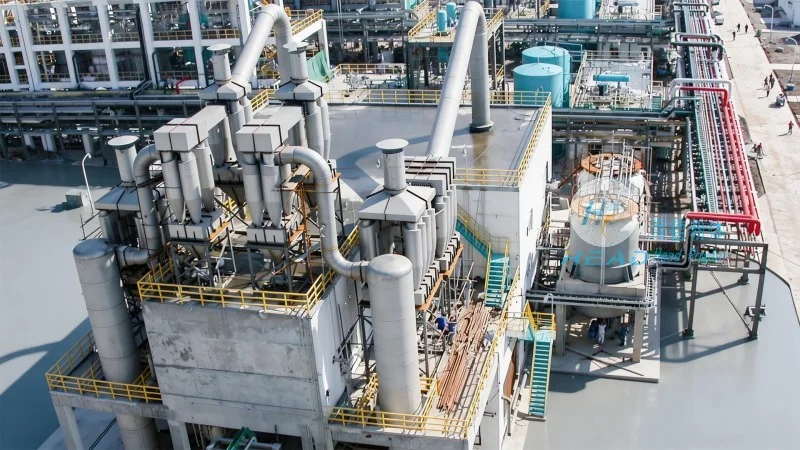
Introduction to Fly Ash Pneumatic Conveying Systems
Fly ash, a byproduct of coal combustion in thermal power plants, poses unique challenges in material handling due to its fine particle size and variable physical properties. Traditional methods such as belt conveyors or bucket elevators may struggle with dust generation, material segregation, and operational inefficiencies when dealing with fly ash. Pneumatic conveying, on the other hand, provides a dust-free, continuous, and energy-efficient solution for transporting fly ash from its source to storage or processing facilities. The core of a pneumatic conveying system is the ability to use air pressure or vacuum to move particulate materials through a pipeline network, making it an ideal choice for fly ash applications.
Key Components and Working Principle
The operation of a fly ash pneumatic conveying line is based on the fundamental principle of fluidizing and transporting particles using air. The system typically consists of several key components, including a material feed hopper, a conveyor pipeline, a pressure or vacuum source (such as a blower or vacuum pump), and a discharge hopper or silo. The process begins when fly ash is fed into the hopper, where it is then introduced into the pipeline under controlled air pressure or vacuum. The air flow creates a suspension of fly ash particles, which are then carried through the pipeline to the discharge point. The design of the conveying line, including the pipeline diameter, length, and the type of air flow (positive or negative pressure), is critical to ensuring optimal performance and minimizing energy consumption.
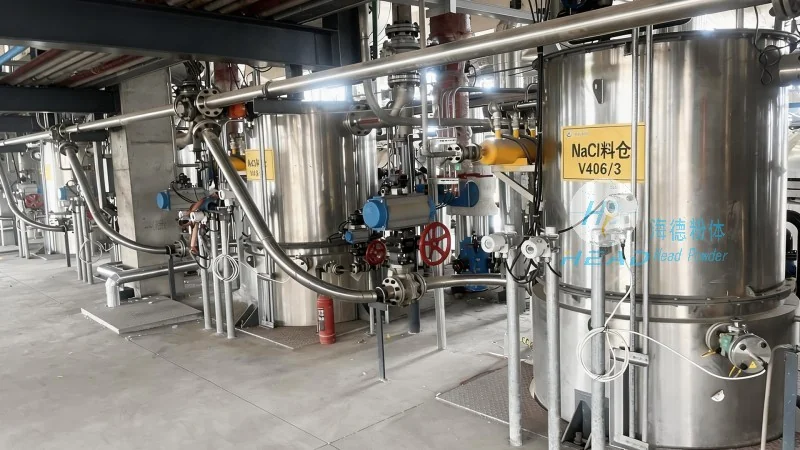
Working Scene Characteristics and Application Scenarios
The working scene characteristics of fly ash pneumatic conveying lines are tailored to meet the specific demands of industrial environments. These systems are commonly used in power plants for transporting fly ash from boiler ash hoppers to storage silos or for transferring ash to disposal sites. The flexibility of pneumatic conveying allows for integration into existing plant layouts, with the ability to route material around obstacles or through multiple stages of processing. In addition, the dust-free operation of these systems contributes to improved workplace safety and compliance with environmental regulations, which is a critical consideration in modern industrial operations.
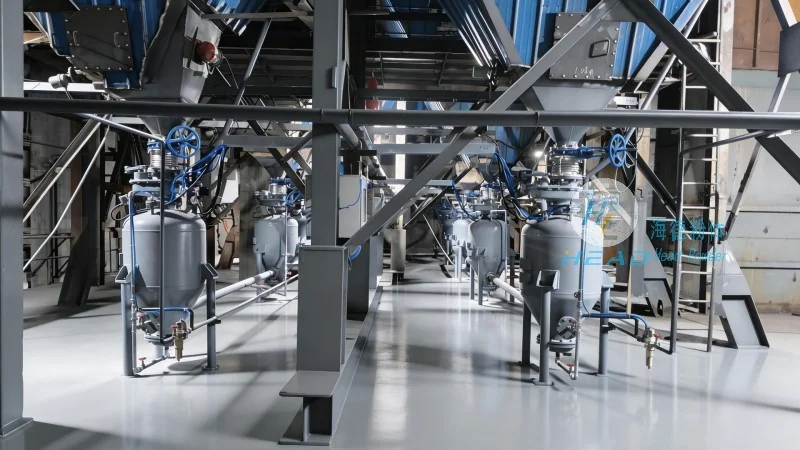
Advantages of Pneumatic Conveying for Fly Ash Handling
Compared to traditional mechanical conveying methods, fly ash pneumatic conveying lines offer several distinct advantages. These include reduced dust emissions, which enhances air quality and worker safety; the ability to handle fine and abrasive materials without causing wear and tear on equipment; and the flexibility to adapt to changing production rates or plant expansions. The continuous operation of pneumatic systems also minimizes material spillage and loss, leading to improved material recovery rates and cost savings for the end-user. Furthermore, the compact design of these systems allows for installation in confined spaces, making them suitable for retrofitting into existing facilities.
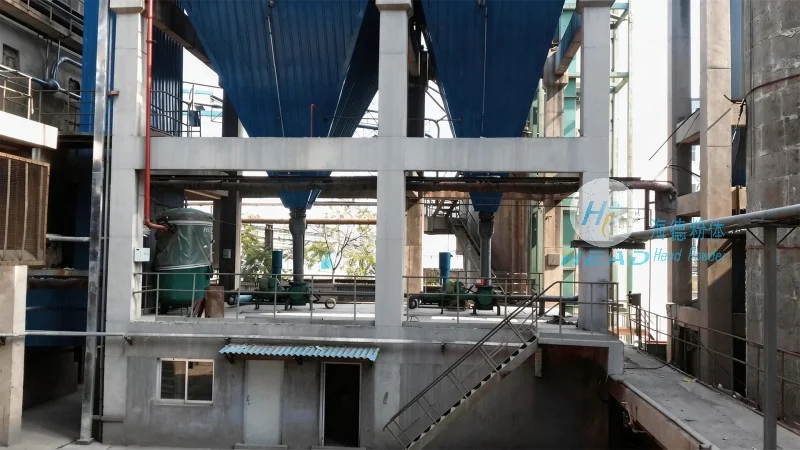
Customization and Engineering Solutions by Shandong HeadPowder Engineering Co., Ltd.
Shandong HeadPowder Engineering Co., Ltd., based in Shandong, China, specializes in the design, manufacturing, and installation of customized pneumatic conveying systems for fly ash and other industrial materials. The company leverages years of experience in the field to develop solutions that address the unique challenges of fly ash handling, such as particle size variations, moisture content, and temperature fluctuations. By working closely with clients, HeadPowder engineers can tailor the system components, including pipeline materials, air flow rates, and control systems, to meet specific operational requirements and ensure optimal performance. The company’s commitment to quality and innovation has made it a trusted partner for power plants and industrial facilities seeking reliable and efficient fly ash transport solutions.
Conclusion
In conclusion, fly ash pneumatic conveying lines represent a sophisticated and effective solution for the material handling challenges associated with fly ash. By understanding the fundamental principles of pneumatic transport and leveraging advanced engineering, systems like those offered by Shandong HeadPowder Engineering Co., Ltd. can provide reliable, efficient, and environmentally friendly operation in various industrial applications. The working scene characteristics of these systems, combined with their ability to adapt to changing operational needs, make them a valuable asset for modern power plants and industrial facilities focused on optimizing material transport processes.