With more than 10‑year industry experience, Shandong Headpowder delivers full‑service pneumatic‑conveying systems and blowers, undertaking nationwide turn‑key powder‑handling projects.
Pneumatic conveying equipment plays a crucial role in the efficient handling and transportation of calcium oxide dry powder in industrial settings. As a specialized solution for bulk material transport, these systems offer a reliable alternative to traditional methods like belt conveyors or bucket elevators, particularly when dealing with fine, dusty, or abrasive powders such as calcium oxide. The technology leverages compressed air to move material through a pipeline, ensuring minimal product degradation and reduced maintenance requirements compared to mechanical systems.
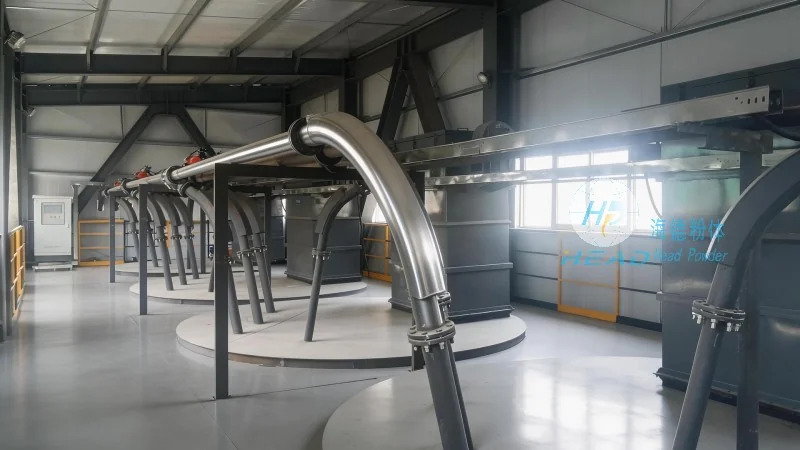
The core principle of pneumatic conveying for calcium oxide dry powder involves the use of a positive or negative pressure system to create a flow of material within a sealed pipeline. In a positive pressure system, compressed air is introduced at the material inlet, pushing the powder forward through the pipeline. Conversely, a negative pressure system draws material from the source into a vacuum at the discharge end. For calcium oxide, which is often sensitive to moisture and contamination, the sealed environment of the conveying line is critical to maintain product quality and prevent caking or agglomeration.
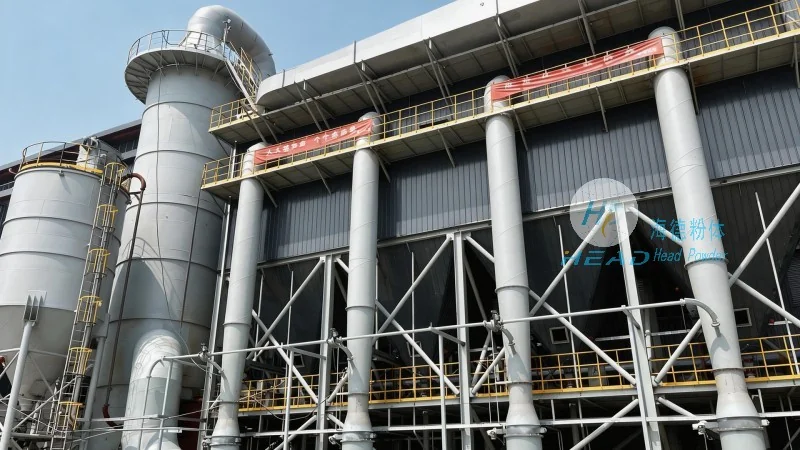
Several key components work in tandem to ensure the smooth operation of the pneumatic conveying system. The material hopper or silo serves as the storage and feeding unit, where the calcium oxide is held before being introduced into the system. The feeder, typically a rotary valve or screw feeder, controls the flow rate of the powder into the conveying line, preventing blockages and maintaining consistent material delivery. The pipeline itself, often made of stainless steel or other corrosion-resistant materials, is designed to withstand the abrasive nature of calcium oxide and the pressure of the conveying air. The air compressor or vacuum pump provides the necessary pressure or suction to move the material, while the filter and cyclone separator at the discharge end separate the powder from the air, ensuring clean air release and preventing dust accumulation.
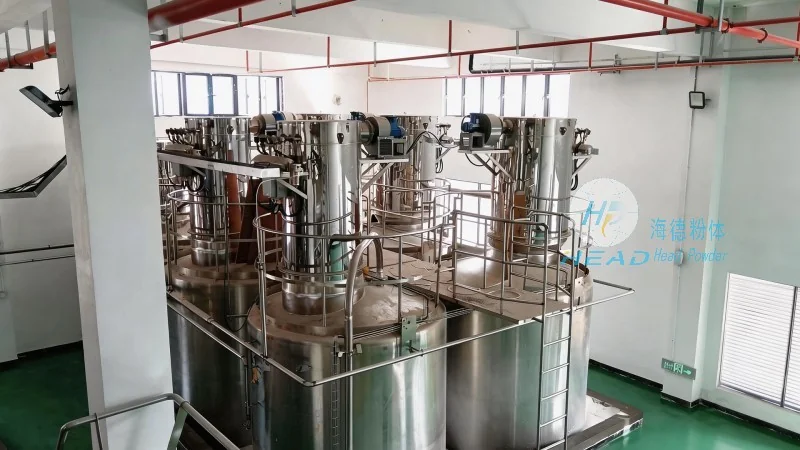
Pneumatic conveying systems for calcium oxide are widely used in various industrial applications, including chemical processing, cement production, and food processing. In chemical plants, these systems efficiently transport calcium oxide from storage silos to reactors or mixing units, minimizing downtime and product loss. In cement manufacturing, the equipment aids in the blending of raw materials, ensuring uniform composition and quality control. The operational advantages of pneumatic conveying include high capacity, flexibility in layout (as the pipeline can be installed in various configurations), and the ability to handle long-distance transport without the need for multiple transfer points. Additionally, the sealed system reduces dust emissions, improving workplace safety and compliance with environmental regulations.
The performance of a pneumatic conveying system for calcium oxide is typically evaluated based on several technical specifications. The conveying capacity, measured in tons per hour, depends on factors such as the pipeline diameter, air pressure, and material properties. For calcium oxide, systems are often designed to handle capacities ranging from 1 to 50 tons per hour, with some high-capacity units capable of transporting up to 100 tons per hour. The pressure drop along the pipeline is another critical metric, as excessive pressure loss can reduce efficiency and increase energy consumption. Modern systems use advanced control technologies, such as variable frequency drives (VFDs), to optimize air flow and pressure, enhancing energy efficiency. The system's efficiency is also influenced by the material's bulk density, flowability, and moisture content, all of which affect the overall conveying performance.
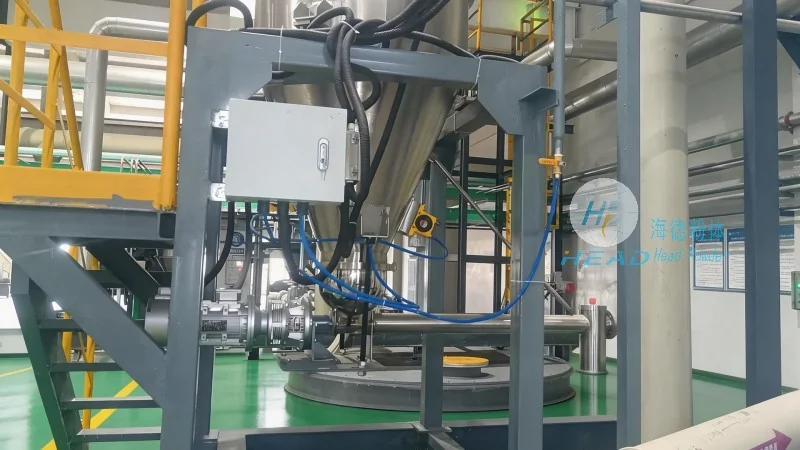
In conclusion, pneumatic conveying equipment offers a robust and efficient solution for the transportation of calcium oxide dry powder, addressing the unique challenges associated with handling fine, abrasive materials. The technology's ability to maintain product integrity, reduce maintenance, and improve operational flexibility makes it a preferred choice in industrial applications. Shandong HeadPowder Engineering Co., Ltd., a leading manufacturer in this field, specializes in designing and manufacturing customized pneumatic conveying systems tailored to the specific needs of clients. With a focus on quality and innovation, the company provides comprehensive solutions that enhance productivity and ensure compliance with industry standards. Based in Shandong, China, HeadPowder Engineering leverages its expertise to deliver reliable and efficient material handling solutions for the calcium oxide industry.

 Shandong Headpowder Engineering Co., Ltd.
 156-6277-7102(Manager Zhang)
  0531-83386006
  Zhangqiu District, Jinan City, Shandong Province, China
telephone
WeChatconsult
top