With more than 10‑year industry experience, Shandong Headpowder delivers full‑service pneumatic‑conveying systems and blowers, undertaking nationwide turn‑key powder‑handling projects.
HeadPowder, a leading manufacturer based in Shandong, China, specializes in the design and production of advanced pneumatic conveying equipment tailored for the handling of graphite anode material particles. This equipment is engineered to efficiently transport fine to medium-sized particles, playing a crucial role in the production processes of lithium-ion battery manufacturers. The following sections will delve into the fundamental principles behind this technology and highlight the key operational characteristics that define its application in real-world industrial settings.
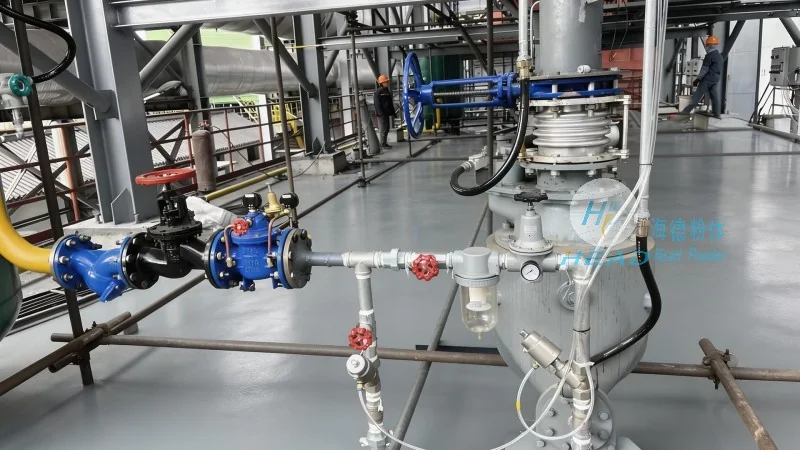
The core principle of pneumatic conveying for graphite anode material involves the use of compressed air or gas to transport solid particles through a pipeline system. This method, known as pneumatic conveying, eliminates the need for mechanical components like conveyor belts or screw conveyors, which can be prone to wear and tear or contamination in the sensitive environment of anode material processing. The process typically operates by creating a pressure differential between the inlet and outlet of the conveying line. Compressed air is introduced at the material feed point, where the graphite particles are introduced into the pipeline. The air flow then lifts and propels the particles through the system, maintaining a consistent flow rate and preventing particle agglomeration. The equipment is designed with features such as air locks, cyclone separators, and filter systems to ensure that the material is transported efficiently while maintaining purity and preventing dust emissions.
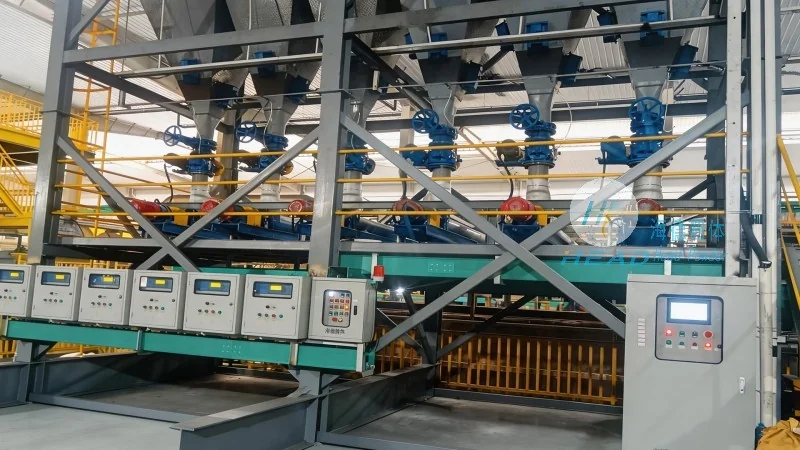
The working scene characteristics of pneumatic conveying equipment for graphite anode material are tailored to meet the specific demands of battery production lines. These characteristics include high efficiency in material transport, minimal product degradation, and compatibility with the stringent quality control requirements of the lithium-ion battery industry. The equipment is often integrated into automated production lines, where it can handle large volumes of material with minimal human intervention. Key operational features include adjustable air pressure and flow rates to accommodate different particle sizes and material densities, ensuring optimal conveying performance. Additionally, the system is designed for easy maintenance and cleaning, which is essential for maintaining the high purity standards required for anode materials. The working environment is typically clean and dust-controlled, with the equipment housed in enclosed systems to prevent contamination from external sources. This ensures that the graphite particles remain free from impurities, which is critical for the performance and longevity of the final battery products.
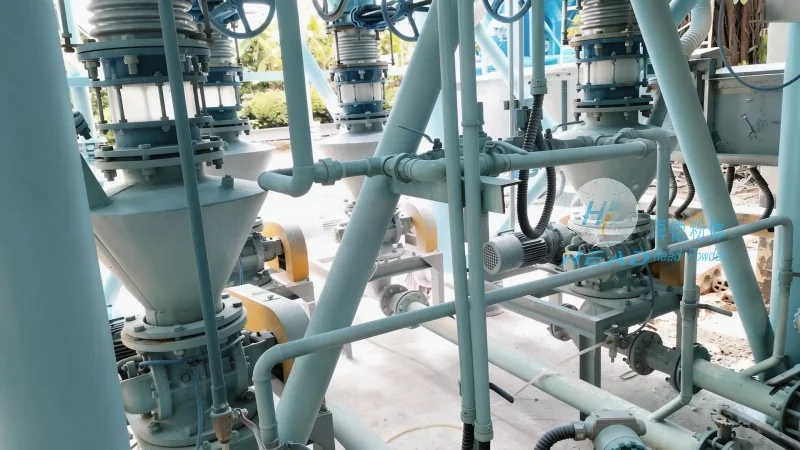
HeadPowder's pneumatic conveying equipment is widely used in the production of graphite anode materials for lithium-ion batteries. The primary benefits of this technology include improved material handling efficiency, reduced labor costs, and enhanced product quality. By eliminating manual handling and mechanical conveyors, the risk of particle damage or contamination is significantly minimized. The equipment also contributes to a more streamlined production process, allowing manufacturers to achieve higher throughput and better control over material flow. Furthermore, the system's ability to handle fine particles without clogging or blockages makes it ideal for applications where particle size and consistency are critical. The operational flexibility of the equipment allows it to be adapted to various production scales, from small-scale laboratory testing to large-scale industrial manufacturing. This adaptability ensures that HeadPowder's solutions can meet the diverse needs of different clients in the battery industry.
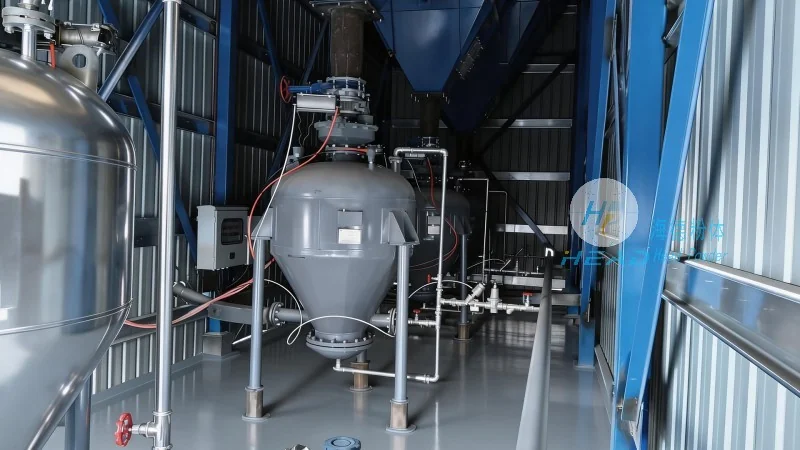
HeadPowder Engineering Co., Ltd., based in Shandong, China, provides advanced pneumatic conveying solutions that are specifically designed for the efficient and reliable handling of graphite anode material particles. The principles of pneumatic conveying, combined with the operational characteristics tailored to the battery industry, make this equipment an essential component of modern lithium-ion battery production lines. By leveraging this technology, manufacturers can enhance their production efficiency, maintain product quality, and meet the growing demands of the battery market. HeadPowder's commitment to innovation and quality ensures that their pneumatic conveying equipment remains at the forefront of material handling solutions for the graphite anode material sector.

 Shandong Headpowder Engineering Co., Ltd.
 156-6277-7102(Manager Zhang)
  0531-83386006
  Zhangqiu District, Jinan City, Shandong Province, China
telephone
WeChatconsult
top