With more than 10‑year industry experience, Shandong Headpowder delivers full‑service pneumatic‑conveying systems and blowers, undertaking nationwide turn‑key powder‑handling projects.
Understanding sintered dust powder material handling is crucial for industries dealing with fine particulate materials, especially in processes like sintering where dust and powders need efficient transport. This article explores the fundamentals of such systems and the underlying design principles that ensure effective operation.
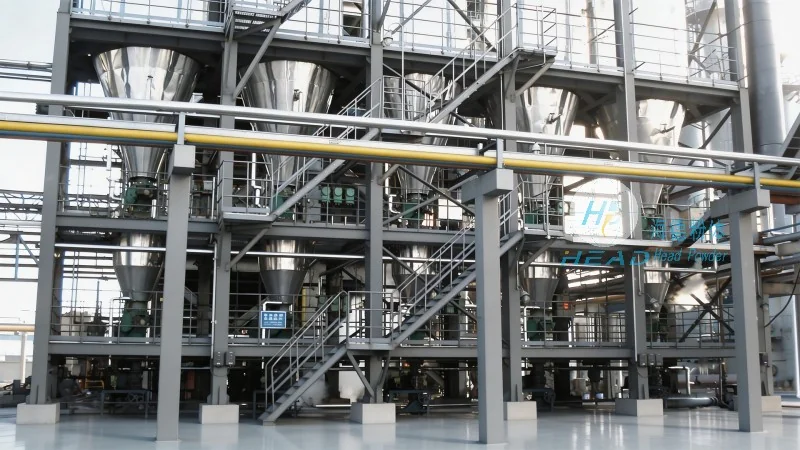
Sintered dust, often a byproduct of industrial sintering processes, consists of fine particles that require specialized handling to maintain quality and prevent contamination. Material handling systems for these powders must address challenges such as dust dispersion, particle agglomeration, and the need for precise control over flow rates. The design of these systems is tailored to the unique properties of sintered dust, including its density, moisture content, and potential reactivity.
Effective sintered dust powder handling relies on a combination of components that work in synergy to transport the material from source to destination. The primary components typically include feeders, conveyors, dust collection systems, and storage vessels. Each component is selected based on the specific characteristics of the sintered dust and the operational requirements of the application.
Feeders, such as rotary valves or vibratory feeders, are used to control the flow of sintered dust from storage silos or hoppers. These devices ensure a consistent and regulated feed rate, preventing overloading or underfeeding that could disrupt the entire system. Conveyors, including pneumatic or mechanical systems, then transport the material through the handling line. Pneumatic conveyors, for example, use air pressure to move dust particles, which is particularly effective for fine powders that are prone to clogging in traditional belt conveyors.
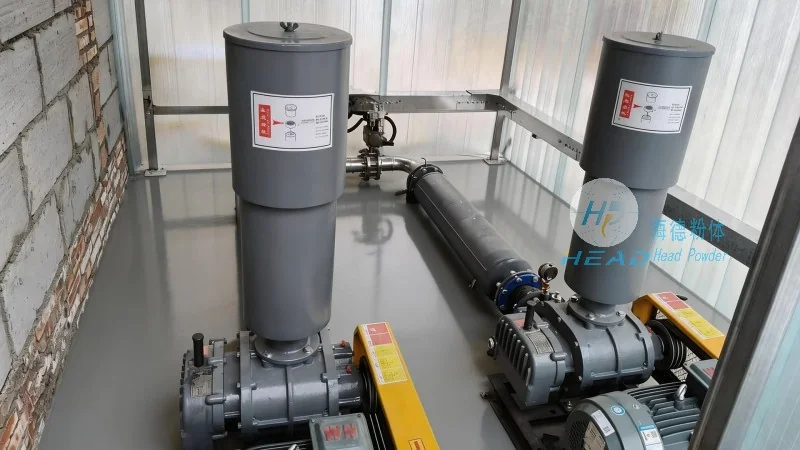
Due to the fine nature of sintered dust, proper dust collection is essential to maintain air quality and comply with environmental regulations. Dust collection systems typically include cyclones, baghouses, or electrostatic precipitators, depending on the dust characteristics and required efficiency. These systems capture particles before they are released into the environment, ensuring that the material handling process is both efficient and environmentally responsible.
The design of sintered dust powder handling systems follows several key principles to ensure optimal performance. First, the system must minimize material degradation and agglomeration, which can occur due to friction or moisture. This is achieved through smooth, non-stick surfaces and controlled temperature and humidity levels. Second, the system should be designed for easy maintenance and cleaning to prevent clogging and ensure long-term reliability. Third, energy efficiency is a critical consideration, as material handling systems can consume significant power, especially in large-scale operations.
Another important design principle is the integration of safety features. Sintered dust can be hazardous if inhaled, and the system must include proper ventilation and dust suppression measures. Additionally, the design should account for the potential for dust explosions, incorporating explosion-proof components where necessary. These safety considerations are essential to protect personnel and equipment while maintaining operational efficiency.
Sintered dust powder handling systems are widely used in various industries, including metallurgy, ceramics, and pharmaceuticals. In metallurgy, for example, sintered dust from iron ore processing is handled to recycle valuable metals and reduce waste. In ceramics, sintered powders are used to produce high-quality ceramic products, and efficient handling ensures consistent material quality. The pharmaceutical industry also relies on such systems for handling fine powders used in drug formulations, where precision and cleanliness are paramount.
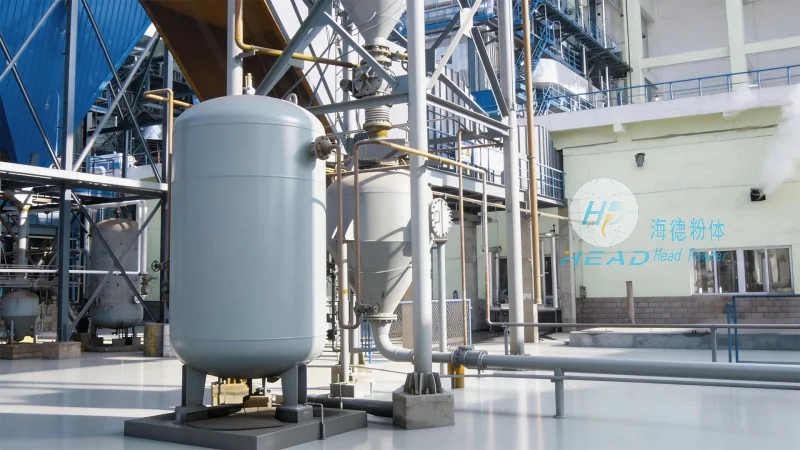
Shandong HeadPowder Engineering Co., Ltd., commonly known as HeadPowder, is a leading provider of specialized material handling solutions for sintered dust and other fine powders. With years of experience in the industry, HeadPowder has developed a comprehensive range of equipment and systems tailored to the unique challenges of sintered dust handling. The company's team of engineers and technicians works closely with clients to understand their specific needs and design customized solutions that meet their operational and regulatory requirements.
HeadPowder's products include advanced feeders, pneumatic conveyors, dust collection systems, and storage solutions, all engineered to handle the unique properties of sintered dust. The company emphasizes quality and reliability, using high-grade materials and rigorous testing to ensure that its equipment performs consistently over time. Additionally, HeadPowder provides comprehensive after-sales support, including maintenance services and technical assistance, to help clients maximize the lifespan and efficiency of their material handling systems.
HeadPowder's commitment to innovation and customer satisfaction has made it a trusted partner for industries worldwide. By combining technical expertise with a customer-centric approach, HeadPowder helps clients optimize their sintered dust handling processes, reduce costs, and improve overall operational efficiency. Whether for new installations or system upgrades, HeadPowder offers tailored solutions that address the specific challenges of each application.

 Shandong Headpowder Engineering Co., Ltd.
 156-6277-7102(Manager Zhang)
  0531-83386006
  Zhangqiu District, Jinan City, Shandong Province, China
telephone
WeChatconsult
top