What is Lithium Hexafluorophosphate Powder Handling? And What Are Its Design Principles?
Release time:2026-09-14 14:00:04
name of the company:Shandong Headpowder Engineering Co., Ltd.
telephone:156-6277-7102
contacts:Manager Zhang
Lithium hexafluorophosphate (LiPF₆) is a critical electrolyte additive widely used in lithium-ion battery manufacturing. Efficient and safe handling of LiPF₆ powder is essential for ensuring the quality and performance of battery cells. This article explores the fundamental aspects of LiPF₆ powder handling, including its design principles and the key considerations for effective material management, with insights from Shandong HeadPowder Engineering Co., Ltd., a leading provider of specialized powder handling solutions.
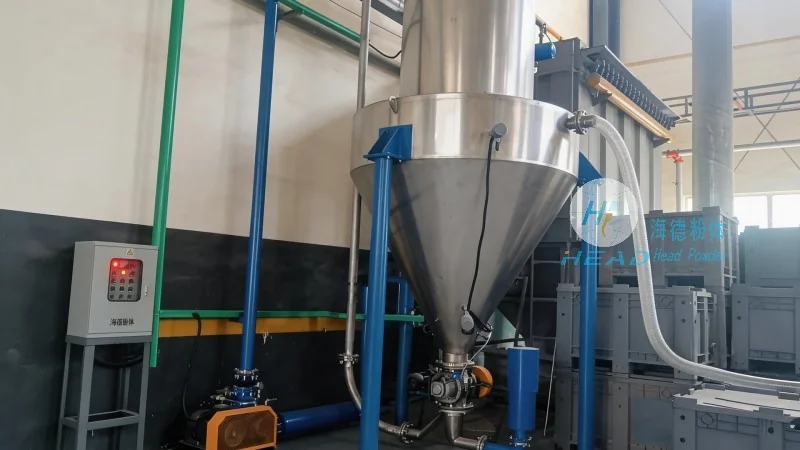
Understanding the Importance of Proper Powder Handling
LiPF₆ powder is a fine, hygroscopic material that requires specialized handling to prevent moisture absorption and contamination. Inadequate handling can lead to reduced battery performance, increased risk of fire or explosion, and compromised product quality. Therefore, implementing a robust powder handling system is crucial for manufacturers aiming to produce high-quality lithium-ion batteries.
Design Principles for LiPF₆ Powder Handling Systems
The design of LiPF₆ powder handling systems follows several core principles to ensure safety, efficiency, and product integrity. These principles include:
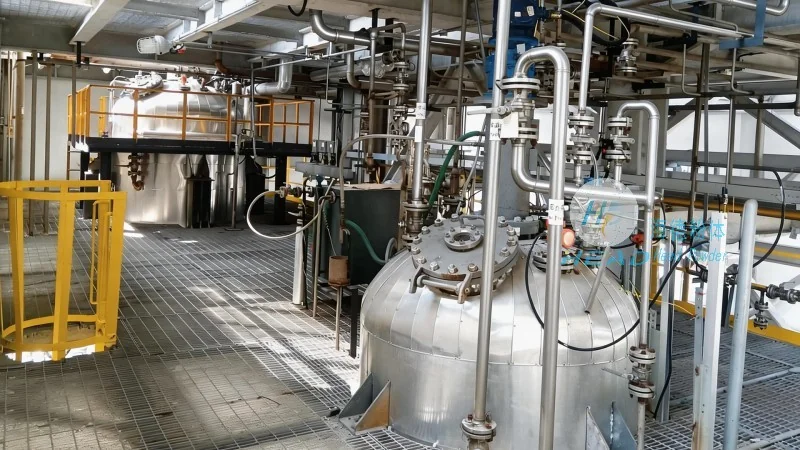
- Containment and Isolation: Systems must be designed to prevent dust generation and exposure to the environment. This involves using sealed containers, dust collection systems, and enclosed transfer mechanisms to minimize the risk of inhalation or contamination.
- Airflow Control: Proper ventilation and air filtration are essential to maintain a safe working environment. The system should be equipped with HEPA filters to remove fine particles and prevent cross-contamination with other materials.
- Material Compatibility: Components in the handling system, such as hoppers, conveyors, and storage vessels, must be made of materials that are chemically resistant to LiPF₆ and its byproducts. Common choices include stainless steel, PTFE-coated parts, or specialized polymers.
- Process Integration: The powder handling system should be integrated seamlessly with other manufacturing processes, such as mixing, drying, and packaging, to ensure a smooth workflow and minimize downtime.
Key Components of a LiPF₆ Powder Handling System
A typical LiPF₆ powder handling system consists of several key components that work together to achieve efficient material transfer and storage. These components include:
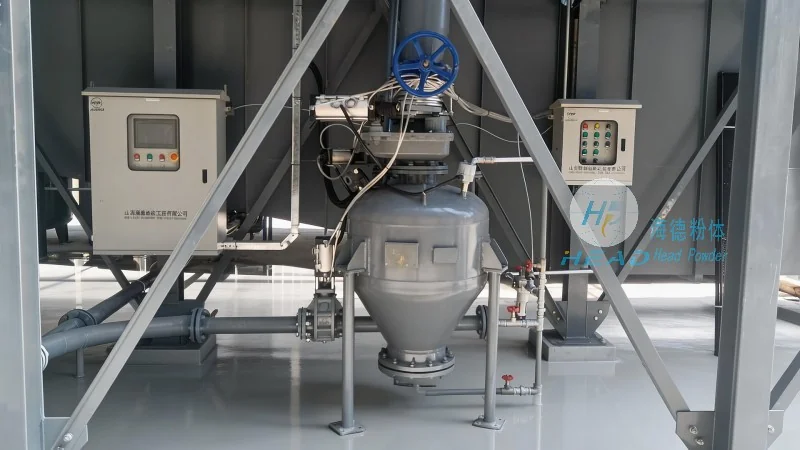
- Storage Hoppers: Large, sealed hoppers are used to store bulk quantities of LiPF₆ powder. These hoppers are equipped with level sensors and venting systems to monitor and control the material level.
- Pneumatic Conveying Systems: Pneumatic conveying is commonly used to transport LiPF₆ powder from storage hoppers to processing equipment. This method uses air pressure to move the powder through pipes, reducing the need for mechanical contact and minimizing contamination.
- Feeding and Metering Equipment: Precision feeders and metering devices are used to control the flow rate of LiPF₆ powder into mixing or packaging equipment. These devices ensure accurate dosing and prevent overloading or underloading.
- Dust Collection and Filtration: A robust dust collection system is essential to capture any airborne particles and prevent environmental contamination. The system typically includes cyclones, baghouses, or cartridge filters to remove fine dust from the air stream.
Safety Considerations in LiPF₆ Powder Handling
Due to the hygroscopic nature of LiPF₆ and its potential reactivity with moisture, safety is a top priority in powder handling operations. Manufacturers must implement strict safety protocols, including:
- Personal Protective Equipment (PPE): Workers handling LiPF₆ powder must wear appropriate PPE, such as respirators, gloves, and protective clothing, to prevent skin contact and inhalation.
- Fire Prevention Measures: LiPF₆ is a flammable material when exposed to heat or sparks. The handling system should be equipped with fire suppression systems, such as CO₂ or dry chemical extinguishers, and should be designed to minimize ignition sources.
- Emergency Response Plans: Companies must have well-defined emergency response plans in place to handle spills, fires, or other incidents. This includes training for employees on proper procedures and the availability of emergency equipment.
Conclusion: The Role of Advanced Powder Handling Solutions
Efficient and safe handling of lithium hexafluorophosphate powder is critical for the success of lithium-ion battery manufacturers. By adhering to the design principles outlined above and investing in advanced handling systems, companies can ensure product quality, minimize risks, and maintain a competitive edge in the market. As the demand for lithium-ion batteries continues to grow, the importance of reliable powder handling solutions will only increase, making it a key area of focus for battery manufacturers worldwide.

 Shandong Headpowder Engineering Co., Ltd.
 156-6277-7102(Manager Zhang)
  0531-83386006
  Zhangqiu District, Jinan City, Shandong Province, China