With more than 10‑year industry experience, Shandong Headpowder delivers full‑service pneumatic‑conveying systems and blowers, undertaking nationwide turn‑key powder‑handling projects.
For industries dealing with bulk powders, the automatic weighing powder conveying system is a critical piece of equipment that ensures precise material handling and efficient production processes. This system integrates advanced weighing technology with robust powder conveying mechanisms to deliver accurate and reliable material transfer. In this article, we will explore the fundamental aspects of such systems, including their design principles and the key components that make them effective.

An automatic weighing powder conveying system is a specialized industrial solution designed to measure, transport, and dispense bulk powders with high precision. Unlike traditional manual or semi-automatic systems, these automated systems use sensors, control units, and conveyor mechanisms to operate without constant human intervention. The primary goal is to maintain consistent material flow, reduce errors in weighing, and enhance overall operational efficiency in manufacturing, pharmaceutical, and chemical industries. Such systems are typically engineered by companies like Shandong HeadPowder Engineering Co., Ltd., which specializes in creating robust and reliable equipment for powder handling.
The effectiveness of an automatic weighing powder conveying system relies on several interconnected components. At the core is the weighing hopper, which houses the load cells and sensors that measure the weight of the powder as it is being conveyed. The hopper is typically made of stainless steel or other corrosion-resistant materials to ensure durability and hygiene, especially in food and pharmaceutical applications. Adjacent to the hopper is the powder conveyor, which can be a screw conveyor, pneumatic conveyor, or a combination of both, depending on the material properties and required flow rates. The conveyor system transports the powder from the storage silo or hopper to the weighing hopper, ensuring a steady and controlled flow.
The design principles of an automatic weighing powder conveying system are centered around precision, reliability, and adaptability. Precision is achieved through the integration of high-accuracy load cells and digital weighing indicators that provide real-time weight measurements with minimal error margins. Reliability is ensured by using robust mechanical components and redundant safety features, such as emergency stop buttons and overload protection mechanisms. Adaptability is key, as these systems must be able to handle a wide range of powder types—from fine powders like flour to coarse powders like cement—with consistent performance. The control system, often based on PLC (Programmable Logic Controller) technology, coordinates all functions, from material feeding to weighing and discharging, ensuring seamless operation.
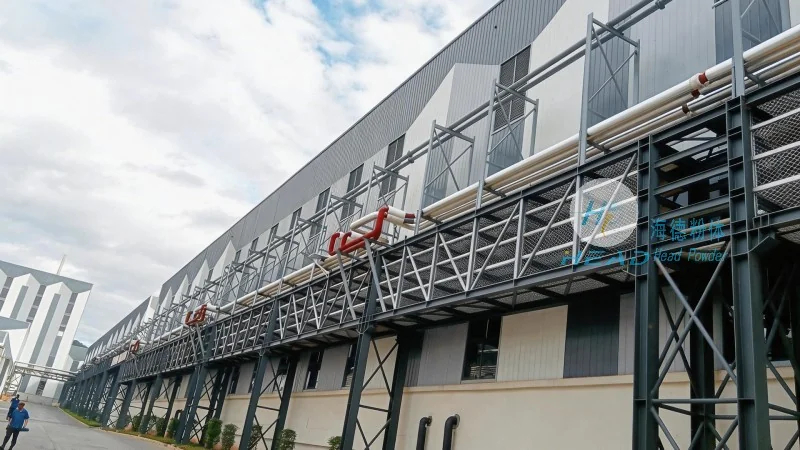
The operation of an automatic weighing powder conveying system follows a systematic process. First, the powder is fed from the storage silo into the conveyor system. The conveyor then transports the powder to the weighing hopper at a controlled rate. As the powder accumulates in the hopper, the load cells continuously measure the weight, and the digital indicator displays the current weight. When the target weight is reached, the system triggers the conveyor to stop feeding and initiates the discharge process. The powder is then released into the discharge hopper or directly to the processing equipment. The system then resets and prepares for the next weighing cycle. This cycle repeats automatically, maintaining consistent output and minimizing downtime.
Implementing an automatic weighing powder conveying system offers numerous benefits for industrial operations. Firstly, it significantly improves weighing accuracy, reducing material waste and ensuring product consistency. This is particularly important in industries where precise dosing is critical, such as pharmaceuticals, where even small variations can affect product efficacy. Secondly, automation reduces labor costs and human error, as the system operates consistently without fatigue or oversight. Thirdly, the system enhances production efficiency by minimizing downtime and allowing for continuous operation. Additionally, the robust design of these systems ensures long-term reliability, with minimal maintenance requirements, and they can be easily integrated into existing production lines.
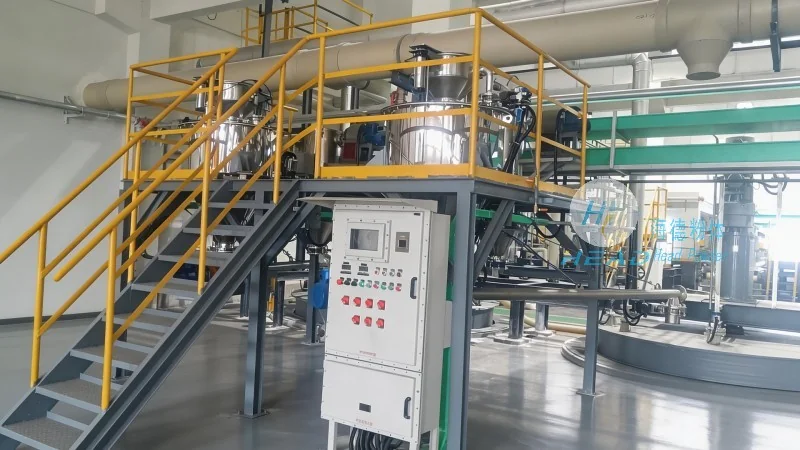
The versatility of automatic weighing powder conveying systems makes them suitable for a wide range of applications. In the pharmaceutical industry, they are used for the precise weighing and dispensing of active pharmaceutical ingredients (APIs) and excipients. In the food industry, they handle ingredients like flour, sugar, and spices, ensuring consistent product quality. The chemical industry utilizes these systems for handling raw materials like powders for coatings, pigments, and adhesives. Even in the construction sector, they are employed for transporting cement and other building materials with accuracy. The adaptability of the system to different powder types and processing requirements makes it a valuable asset across multiple sectors.
When selecting an automatic weighing powder conveying system, several factors must be considered to ensure it meets the specific needs of the operation. The first is the material being handled, as different powders have varying flow characteristics and require different conveyor types. For example, cohesive powders may need a screw conveyor with a special design to prevent blockages, while free-flowing powders can use pneumatic conveyors. The second factor is the required capacity and accuracy, as these systems come in various sizes and precision levels. The third is the integration with existing equipment, as the system should be compatible with the current production line and control systems. Finally, the maintenance and service support are crucial, as reliable after-sales support ensures the system operates efficiently over its lifespan.
In conclusion, the automatic weighing powder conveying system is a sophisticated and essential tool for industries that rely on bulk powder handling. By combining advanced weighing technology with efficient conveying mechanisms, these systems enhance precision, reduce waste, and improve overall operational efficiency. The design principles behind them prioritize reliability, adaptability, and user-friendly operation, making them suitable for a wide range of applications. As industries continue to demand higher standards of quality and consistency, the role of these systems will only grow, ensuring that material handling remains accurate, efficient, and reliable. For businesses looking to optimize their powder processing operations, investing in a well-designed automatic weighing powder conveying system is a strategic move that delivers long-term benefits.

 Shandong Headpowder Engineering Co., Ltd.
 156-6277-7102(Manager Zhang)
  0531-83386006
  Zhangqiu District, Jinan City, Shandong Province, China
telephone
WeChatconsult
top