With more than 10‑year industry experience, Shandong Headpowder delivers full‑service pneumatic‑conveying systems and blowers, undertaking nationwide turn‑key powder‑handling projects.
Ferric sulfate, a vital chemical compound utilized in water treatment, wastewater management, and various industrial processes, often necessitates efficient powder handling systems to ensure safe and effective material transport. The design of such systems involves a comprehensive understanding of material properties, operational requirements, and safety considerations. This article delves into the fundamental aspects of ferric sulfate powder handling, focusing on the key design principles that underpin reliable and efficient material transport solutions.
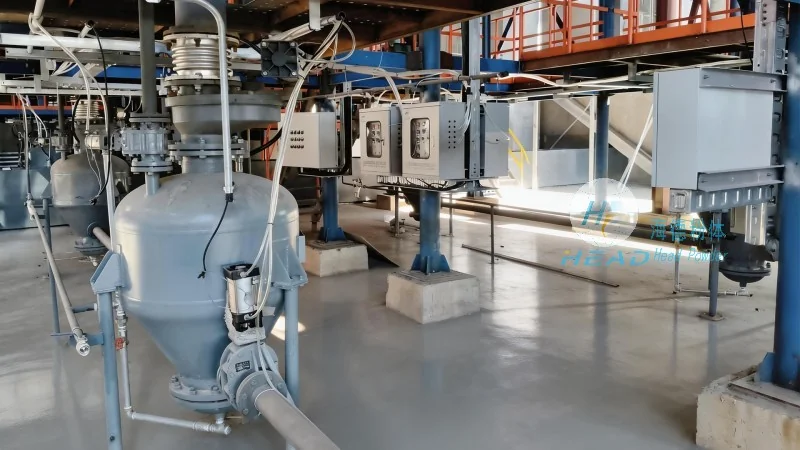
Ferric sulfate, also known as iron(III) sulfate, is a yellowish-brown crystalline solid that is hygroscopic and can readily absorb moisture from the air. Its physical properties, including particle size distribution, bulk density, and flow characteristics, significantly influence the choice of powder handling equipment and system design. For instance, the material's tendency to agglomerate or stick to surfaces can impact the efficiency of feeding, conveying, and storage processes. Therefore, understanding these material characteristics is the first step in designing an effective powder handling system for ferric sulfate.
The design of ferric sulfate powder handling systems must adhere to several critical principles to ensure optimal performance, safety, and longevity. These principles include:
1. Material Compatibility and Equipment Selection: The equipment used for handling ferric sulfate must be compatible with the chemical properties of the material. This includes selecting materials of construction that are resistant to corrosion and chemical attack, such as stainless steel or specialized alloys. Additionally, the equipment should be designed to handle the material's flow characteristics, avoiding issues like bridging, rat-holing, or segregation. For example, using a hopper with a conical or wedge-shaped bottom can help prevent material accumulation and ensure smooth discharge.
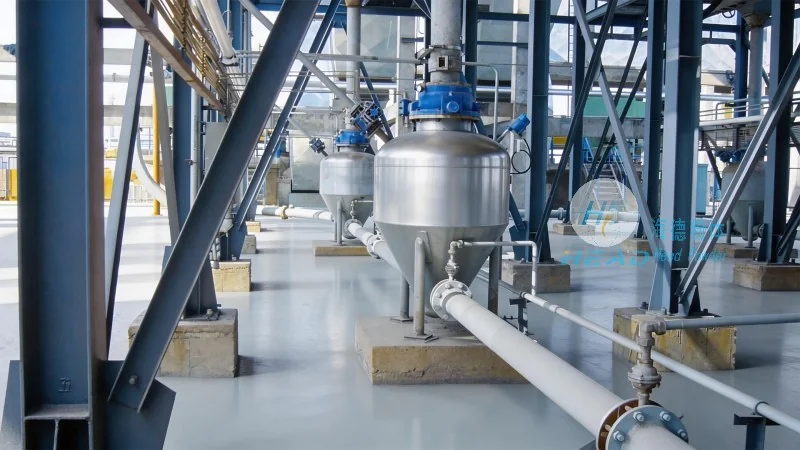
2. Controlled Flow and Prevention of Agglomeration: Ferric sulfate particles can easily agglomerate, which can lead to blockages and uneven flow. To mitigate this, the design incorporates features like vibration, air knives, or fluidization systems to maintain the material in a free-flowing state. Vibration feeders, for instance, can help break up agglomerates and ensure a consistent flow rate. Air knives or pneumatic conveying systems may also be employed to keep the material moving without causing excessive wear on the equipment.
3. Safety and Environmental Considerations: Given that ferric sulfate is used in water treatment and other industrial applications, safety is paramount. The design must include measures to prevent dust generation, as inhalation of fine particles can pose health risks. This can be achieved through enclosed systems, dust collection systems, and proper ventilation. Additionally, the system should be designed to minimize environmental impact, such as preventing spills or leaks that could contaminate water sources.
4. Efficiency and Energy Conservation: Efficient powder handling systems aim to minimize energy consumption while maximizing throughput. This involves optimizing the design of conveyors, feeders, and storage vessels to reduce friction and energy loss. For example, using belt conveyors with appropriate incline angles can reduce the energy required to move the material vertically. Additionally, the system should be equipped with sensors and controls to monitor flow rates and adjust operations as needed, ensuring optimal performance.
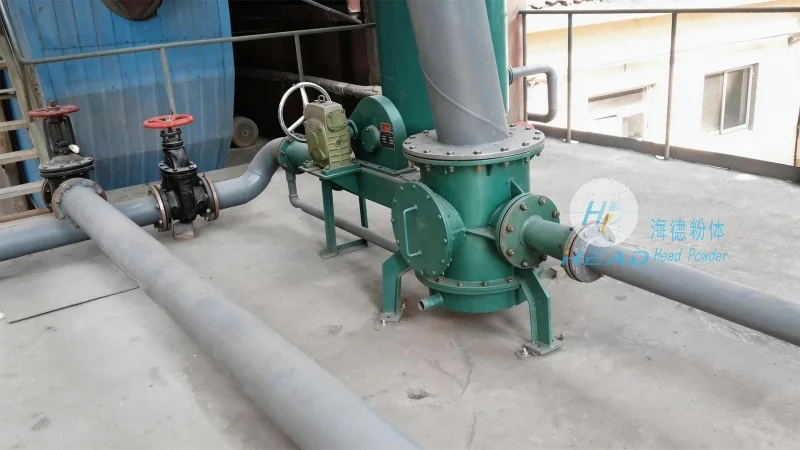
Shandong HeadPowder Engineering Co., Ltd., a leading provider of powder handling solutions, specializes in designing and manufacturing systems tailored to the unique needs of ferric sulfate and other industrial powders. With years of experience in the field, the company understands the critical importance of adhering to the design principles outlined above. By leveraging advanced engineering techniques and materials science, HeadPowder develops customized solutions that ensure safe, efficient, and reliable powder handling for its clients.
The company's approach to ferric sulfate powder handling involves a comprehensive consultation process with clients to understand their specific requirements. This includes assessing the material's properties, the desired throughput, and the operational environment. Based on this information, HeadPowder engineers design systems that incorporate the necessary features to address potential challenges, such as agglomeration, dust generation, and equipment wear. The company also provides maintenance and support services to ensure the long-term performance and reliability of the installed systems.
Ferric sulfate powder handling is a complex process that requires careful consideration of material properties, operational requirements, and safety standards. The design principles discussed above provide a framework for developing effective and reliable systems. By adhering to these principles and leveraging the expertise of companies like Shandong HeadPowder Engineering Co., Ltd., industries can ensure the safe and efficient transport of ferric sulfate, supporting their operational needs and environmental responsibilities.

 Shandong Headpowder Engineering Co., Ltd.
 156-6277-7102(Manager Zhang)
  0531-83386006
  Zhangqiu District, Jinan City, Shandong Province, China
telephone
WeChatconsult
top