

Principle and Working Scene Characteristics of Polyvinyl Alcohol Formaldehyde Powder Pneumatic Conve
Polyvinyl alcohol formaldehyde (PVA-F) is a widely used polymer in various industrial applications, and the efficient handling of its powder form is crucial for maintaining production efficiency and product quality. Pneumatic conveying systems offer a reliable solution for transporting PVA-F powders, combining the advantages of material handling with process control. This article explores the fundamental principles behind PVA-F powder pneumatic conveying lines and highlights the key characteristics of their operational environments.
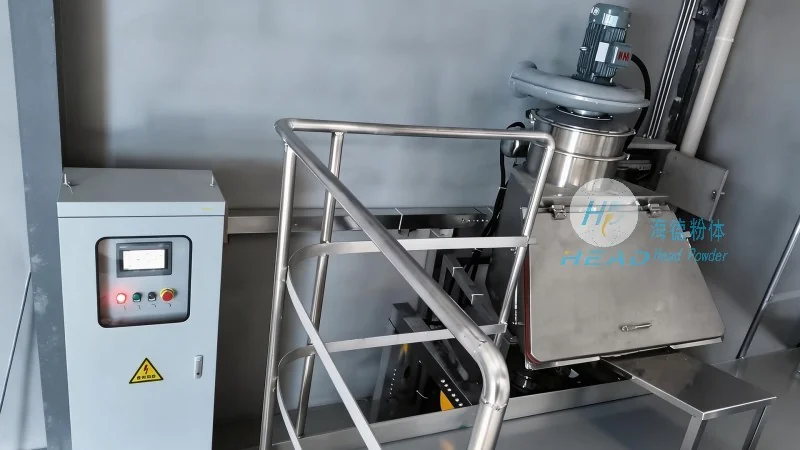
The Core Principle of Pneumatic Conveying for PVA-F Powders
The pneumatic conveying of PVA-F powders relies on the movement of air or gas to transport the material through a pipeline. There are two primary types of pneumatic conveying systems: positive pressure and negative pressure. Positive pressure systems use a blower to generate air pressure that pushes the powder through the line, while negative pressure systems create a vacuum that draws the material into the pipeline. For PVA-F powders, which often exhibit moderate to high moisture content and can be prone to agglomeration, the choice of system depends on factors such as the distance of transport, the required flow rate, and the need for dust control. The system typically includes components like a hopper, feeder, air compressor or vacuum pump, pipeline, and a receiver. The feeder ensures a consistent flow of PVA-F powder into the system, while the air flow provides the necessary kinetic energy to move the particles. The design of the pipeline, including the use of bends, valves, and filters, is critical to maintain the efficiency and prevent material degradation or blockages.
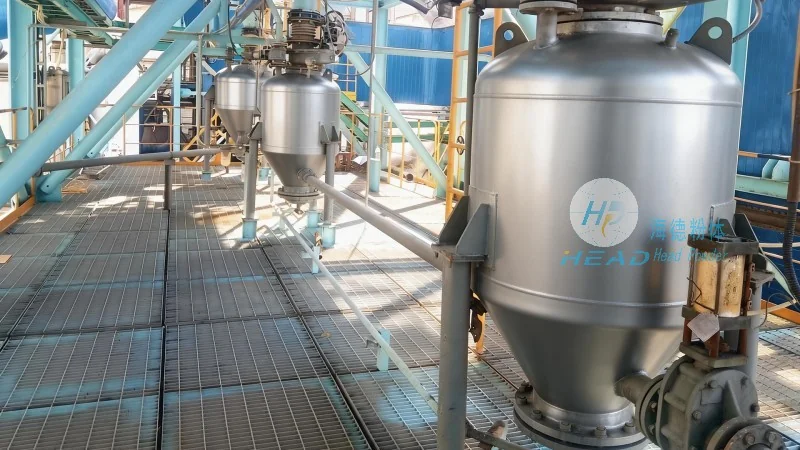
Key Working Scene Characteristics of PVA-F Powder Pneumatic Conveying Lines
The operational environments for PVA-F powder pneumatic conveying systems vary based on the industry and specific application. In chemical manufacturing, these systems are often integrated into production lines for the processing of PVA-F, where they help in transferring raw materials or finished products between different processing stages. The working scene may involve high production volumes, requiring robust and high-capacity conveying systems that can handle continuous operation. In pharmaceutical applications, the systems must adhere to stringent hygiene and safety standards, with features like closed-loop designs and easy-to-clean components to prevent contamination. The food industry also utilizes PVA-F powder pneumatic conveying for applications such as food packaging or ingredient blending, where the systems are designed to be sanitary and prevent cross-contamination. Additionally, the working scene may involve varying particle sizes and moisture levels, which necessitates adjustable conveying parameters to ensure optimal performance. The systems are also designed to minimize dust emissions, as PVA-F powders can be fine and potentially hazardous if not handled properly. This is achieved through the use of dust collection systems and proper sealing of the pipeline connections.
Advantages and Considerations in PVA-F Powder Pneumatic Conveying
Implementing PVA-F powder pneumatic conveying lines offers several advantages over traditional mechanical conveying methods. These include improved process control, as the system can be integrated with automation for precise material flow management. The closed-loop design reduces material loss and environmental impact, making it more environmentally friendly compared to open systems. Additionally, pneumatic conveying can handle PVA-F powders with varying properties, such as different moisture contents or particle sizes, without requiring significant modifications to the system. However, there are considerations to keep in mind, such as the potential for pressure drops in long pipelines, which may affect the conveying efficiency. Proper maintenance of the air compressor or vacuum pump is also essential to ensure consistent performance. The cost of the system, including the initial investment and ongoing operational costs, should be evaluated against the benefits of improved efficiency and reduced downtime.
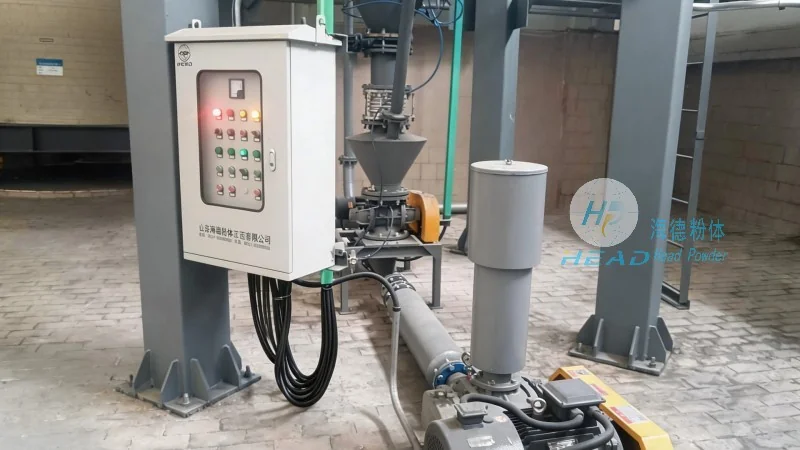
About Shandong HeadPowder Engineering Co., Ltd.
Shandong HeadPowder Engineering Co., Ltd., operating under the brand name HeadPowder, is a leading provider of specialized engineering solutions for powder handling systems. With a focus on innovation and customer-centric design, HeadPowder has developed expertise in the design, manufacturing, and installation of pneumatic conveying systems tailored to the unique needs of industries handling PVA-F powders and other challenging materials. The company’s team of engineers and technicians brings years of experience in understanding the properties of different powders and the requirements of various industrial applications. HeadPowder’s commitment to quality and reliability ensures that their PVA-F powder pneumatic conveying lines are built to meet the highest standards, providing long-term performance and minimal maintenance. Based in Shandong, China, HeadPowder serves clients globally, offering customized solutions that enhance production efficiency and safety in powder handling operations.