With more than 10‑year industry experience, Shandong Headpowder delivers full‑service pneumatic‑conveying systems and blowers, undertaking nationwide turn‑key powder‑handling projects.
When it comes to handling sweet potatoes efficiently, selecting the right conveying method is crucial for optimizing production processes and ensuring product quality. Various options are available, each suited to different operational needs and environments. This article explores the primary methods used for sweet potato conveying, providing insights into their applications and benefits.
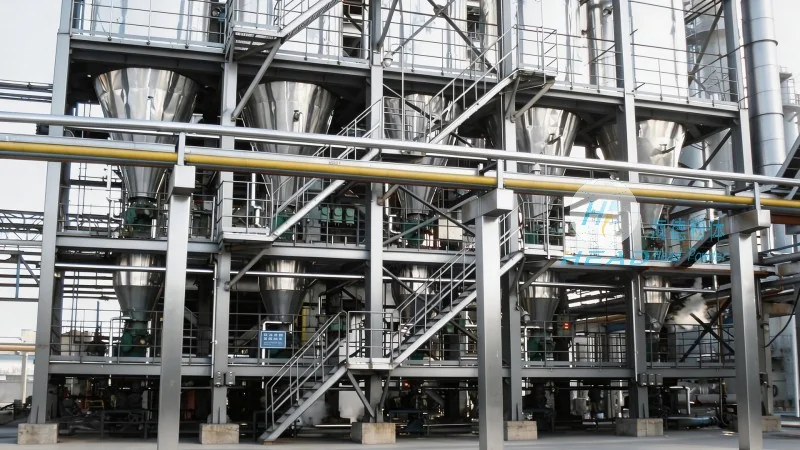
Belt conveyors are among the most common and versatile equipment for transporting sweet potatoes. These systems utilize a continuous belt, typically made of durable materials like rubber or PVC, to move sweet potatoes from one location to another. The design allows for horizontal, inclined, or even vertical movement, making them adaptable to various layouts in processing facilities. For sweet potato processing, belt conveyors are particularly effective in sorting, cleaning, and transporting the tubers before further processing steps. The smooth surface of the belt minimizes damage to the sweet potatoes, preserving their texture and appearance. Additionally, belt conveyors can be equipped with sensors and controls to monitor the flow and ensure consistent operation, enhancing overall efficiency. This makes them a preferred choice for medium to large-scale sweet potato processing operations.
Screw conveyors, also known as auger conveyors, are another popular method for sweet potato conveying. These systems consist of a rotating screw inside a tube, which moves the sweet potatoes forward through the mechanism. Screw conveyors are ideal for transporting sweet potatoes in a controlled manner, especially when vertical or inclined transport is required. They are particularly effective in handling bulk materials and can be used for both dry and slightly moist sweet potatoes. The enclosed design of screw conveyors helps prevent contamination and loss of product, making them suitable for sanitary processing environments. Additionally, screw conveyors are relatively low-maintenance and can be easily integrated into existing processing lines. Their compact design allows for space-efficient installation, which is beneficial in facilities with limited floor space. This method is commonly used in sweet potato processing for tasks such as moving tubers from storage to processing areas or for feeding other equipment like washers or peeling machines.
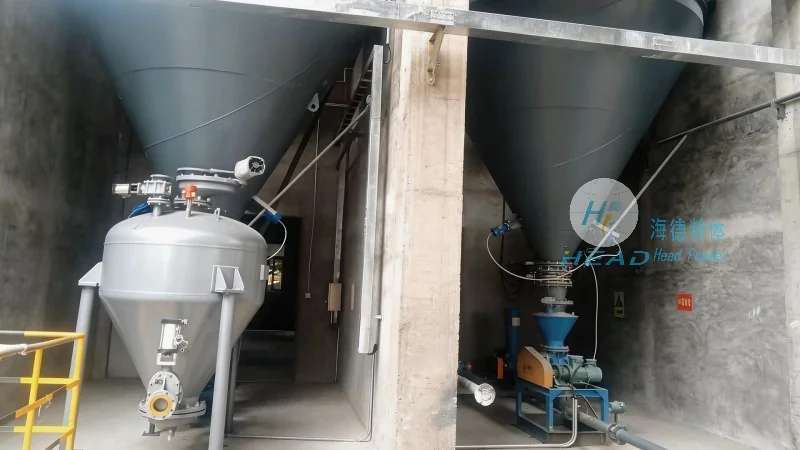
For vertical or high-rise transport of sweet potatoes, bucket elevators are an excellent choice. These systems use a series of buckets attached to a chain or belt that moves vertically, lifting sweet potatoes from a lower to a higher level. Bucket elevators are highly efficient for vertical movement and can handle large volumes of sweet potatoes with minimal labor. The enclosed design of bucket elevators protects the sweet potatoes from dust and debris, maintaining product integrity. They are particularly useful in processing facilities where vertical space is available but horizontal space is limited. The ability to transport sweet potatoes over significant vertical distances without the need for multiple levels makes bucket elevators a cost-effective solution. Additionally, bucket elevators can be equipped with adjustable speed controls to regulate the flow of sweet potatoes, ensuring smooth operation and preventing damage. This method is commonly employed in sweet potato processing for moving tubers from the ground level to storage silos or processing lines at elevated positions.
Pneumatic conveying systems use air or gas to transport sweet potatoes through a pipeline. These systems are particularly effective for moving sweet potatoes over long distances or in environments where traditional conveyors may not be feasible. Pneumatic conveyors can handle both dry and slightly wet sweet potatoes and are capable of transporting them at high speeds. The enclosed pipeline design ensures that the sweet potatoes are protected from external contaminants and are transported efficiently. Pneumatic systems are also flexible, as they can be easily reconfigured to change the direction or length of the conveying path. This adaptability makes them suitable for dynamic processing environments where operational needs may change. However, pneumatic conveying systems require careful maintenance to ensure consistent air pressure and prevent material buildup in the pipes. They are commonly used in sweet potato processing for tasks such as moving tubers from one processing area to another or for feeding packaging lines.
Hydraulic conveyors use fluid power to transport sweet potatoes, offering a gentle and controlled method of conveying. These systems are particularly suitable for delicate sweet potatoes that require minimal handling to avoid damage. Hydraulic conveyors consist of a series of connected containers or belts that move along a track, using hydraulic pressure to lift and move the sweet potatoes. The slow and controlled movement of hydraulic conveyors minimizes the risk of bruising or cracking, preserving the quality of the tubers. This method is ideal for processing sweet potatoes that are to be sold as fresh produce or for further processing into products like chips or puree. Hydraulic conveyors can be designed to handle different sizes and shapes of sweet potatoes, making them versatile for various processing needs. Additionally, they are relatively quiet and low-vibration, contributing to a safer and more comfortable working environment in processing facilities. This method is commonly used in sweet potato processing for tasks such as moving tubers from washing stations to peeling machines or for transporting them to packaging areas.
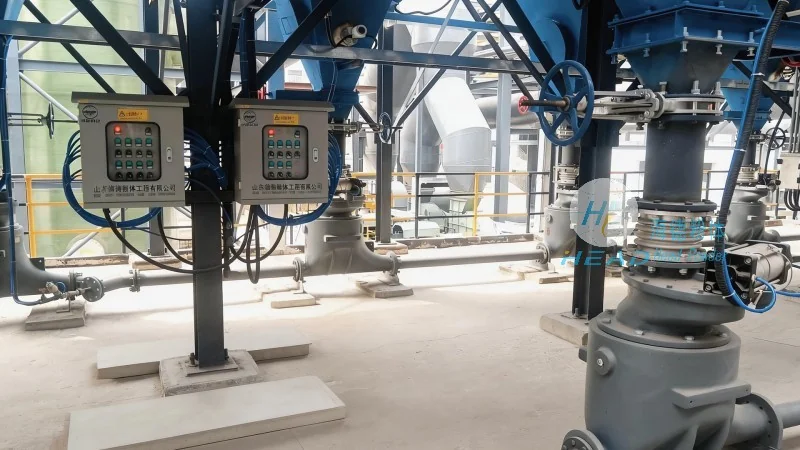
In many sweet potato processing facilities, a combination of the above methods is used to create an efficient conveying system. For example, a belt conveyor might be used to transport sweet potatoes from the reception area to a washing station, followed by a screw conveyor to move them to a peeling machine. A bucket elevator could then be used to lift the peeled tubers to a storage silo, and a pneumatic conveyor might transport them to the packaging line. This integrated approach allows for seamless flow of sweet potatoes through the entire processing line, minimizing downtime and maximizing productivity. The choice of conveying method at each stage depends on the specific requirements of the process, such as the distance to be covered, the vertical or horizontal movement needed, and the condition of the sweet potatoes. By selecting the appropriate combination of conveying equipment, processing facilities can achieve optimal efficiency and product quality. This integrated approach is particularly beneficial for large-scale sweet potato processing operations where multiple processing steps are involved.
Choosing the right conveying method for sweet potatoes is essential for ensuring efficient and effective processing. Each method has its own advantages and is suited to different operational needs. Belt conveyors offer versatility and durability, screw conveyors provide controlled transport, bucket elevators handle vertical movement, pneumatic systems enable long-distance transport, and hydraulic conveyors offer gentle handling. By understanding the specific requirements of the processing facility, such as the volume of sweet potatoes, the layout of the facility, and the desired product quality, the appropriate conveying method can be selected. The Shandong HeadPowder Engineering Co., Ltd., a leading provider of processing equipment, specializes in designing and manufacturing customized conveying solutions for sweet potato processing. With their expertise in engineering and manufacturing, they can help processing facilities select the most suitable conveying method to optimize their operations. Located in Shandong, China, the company leverages advanced technology and years of experience to deliver high-quality conveying equipment that meets the needs of sweet potato processors worldwide.

 Shandong Headpowder Engineering Co., Ltd.
 156-6277-7102(Manager Zhang)
  0531-83386006
  Zhangqiu District, Jinan City, Shandong Province, China
telephone
WeChatconsult
top