With more than 10‑year industry experience, Shandong Headpowder delivers full‑service pneumatic‑conveying systems and blowers, undertaking nationwide turn‑key powder‑handling projects.
HeadPowder, Shandong HeadPowder Engineering Co., Ltd., a leading provider in material handling solutions, specializes in advanced pneumatic conveying systems tailored for the transportation of graphite electrode powders. This article delves into the fundamental principles behind pneumatic conveying technology and highlights the key characteristics of its application in specific working environments. By understanding these aspects, industries relying on efficient and reliable powder transport can optimize their operations and enhance productivity. The company is based in Shandong, China, and has extensive experience in designing and implementing customized material handling solutions for various industrial applications.
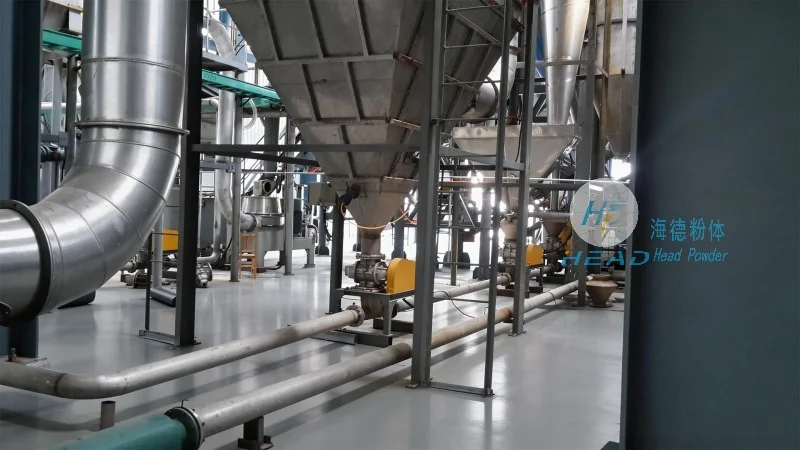
Pneumatic conveying, also known as air conveying, is a method of transporting bulk materials, including fine powders like graphite electrode powder, through a pipeline using pressurized or vacuum air. This technology offers a versatile and efficient solution for moving materials over short to medium distances, often in industrial settings where traditional mechanical conveyors may be impractical or less effective. The process involves the use of air to create a flow that carries the powder particles through the system, ensuring minimal product degradation and contamination.
The effectiveness of a pneumatic conveying system for graphite electrode powders is governed by several core principles. First, the system must generate sufficient air pressure or vacuum to overcome the resistance of the powder particles as they move through the pipeline. This is typically achieved through the use of blowers, fans, or vacuum pumps, which provide the necessary airflow. Second, the design of the conveying line, including the diameter and length of the pipes, is critical. Proper sizing ensures that the air velocity is maintained at an optimal level to prevent particle settling or blockages. Third, the system incorporates components such as inlets, separators, and filters to manage the flow and protect equipment from dust and debris. These components are essential for maintaining the integrity of the graphite powder and ensuring the longevity of the conveying system.
The application of pneumatic conveying for graphite electrode powders is characterized by several distinct working scene features. In industrial environments, such as graphite electrode manufacturing plants, the system is often integrated into a larger production line, where it connects different processing stages. For instance, after the graphite powder is produced, it may need to be transported from a storage silo to a mixing or molding station. The pneumatic conveying system allows for a seamless transition between these stages, minimizing downtime and ensuring a consistent flow of material.
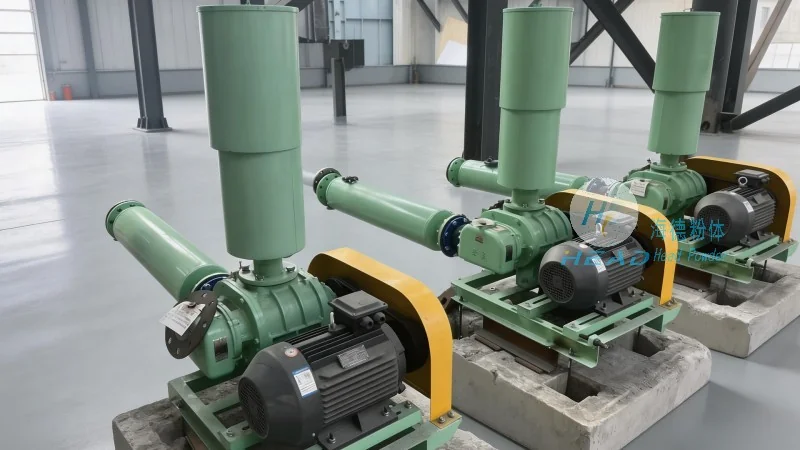
Another key characteristic is the need for precision and control in the conveying process. Graphite electrode powders are often used in high-precision applications, such as the production of electrodes for electric arc furnaces. Therefore, the conveying system must maintain a stable flow rate and particle size distribution to avoid variations in the final product quality. This is achieved through the use of variable speed drives, flow meters, and other control mechanisms that regulate the air pressure and powder feed rate.
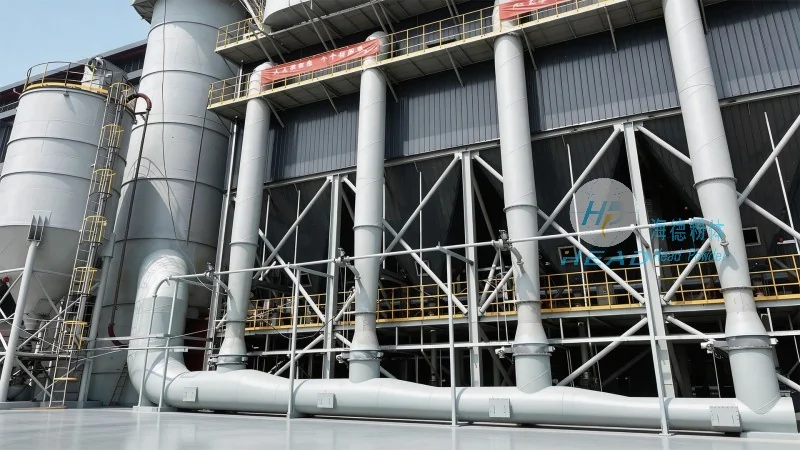
Additionally, the working scene may involve the handling of large volumes of powder, requiring high-capacity conveying systems. In such cases, the system may utilize multiple pipelines or a combination of pressure and vacuum modes to achieve the desired throughput. The design of the system must also consider the potential for dust generation and the need for proper ventilation and filtration to maintain a safe working environment.
Implementing pneumatic conveying systems for graphite electrode powders offers several advantages over traditional mechanical methods. One of the primary benefits is the ability to transport materials in a closed system, which prevents contamination from external sources and reduces dust emissions. This is particularly important for graphite powders, which can be hazardous if inhaled or if they come into contact with moisture. The closed system also helps maintain the purity of the powder, ensuring that it meets the stringent quality standards required for industrial applications.
Another advantage is the flexibility of the system. Pneumatic conveying can be easily adapted to different production requirements, such as varying the flow rate or changing the destination of the powder. This adaptability makes it suitable for dynamic production environments where the demand for graphite electrode powders may fluctuate. Furthermore, the system can be integrated with other automation technologies, such as sensors and control systems, to enhance monitoring and control capabilities.
Finally, the use of pneumatic conveying can lead to cost savings and increased efficiency. By reducing the need for manual handling and minimizing material loss, the system can lower operational costs and improve overall productivity. The reduced maintenance requirements of pneumatic systems, compared to mechanical conveyors, also contribute to long-term cost savings.
In conclusion, pneumatic conveying is a highly effective and reliable method for transporting graphite electrode powders. The principles of this technology, combined with the specific characteristics of the working scenes, make it an ideal solution for industries requiring efficient and precise powder handling. HeadPowder, with its expertise in engineering and manufacturing, provides customized pneumatic conveying systems that meet the unique needs of its clients, ensuring optimal performance and long-term success in material handling operations.

 Shandong Headpowder Engineering Co., Ltd.
 156-6277-7102(Manager Zhang)
  0531-83386006
  Zhangqiu District, Jinan City, Shandong Province, China
telephone
WeChatconsult
top