With more than 10‑year industry experience, Shandong Headpowder delivers full‑service pneumatic‑conveying systems and blowers, undertaking nationwide turn‑key powder‑handling projects.
When designing a pneumatic conveying system for steel and lime materials, several critical factors must be considered to ensure efficient operation, durability, and safety. The system's performance is heavily influenced by the properties of the materials being transported, such as particle size, density, and moisture content, as well as the operational environment. A well-planned system not only optimizes material handling but also reduces maintenance costs and extends equipment lifespan.
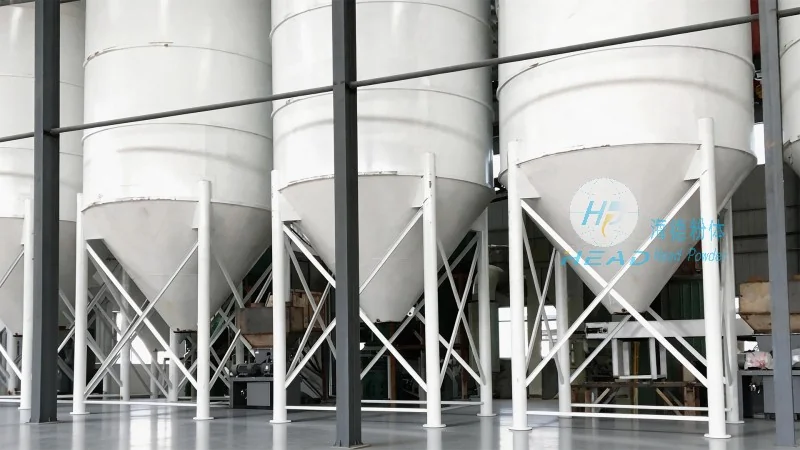
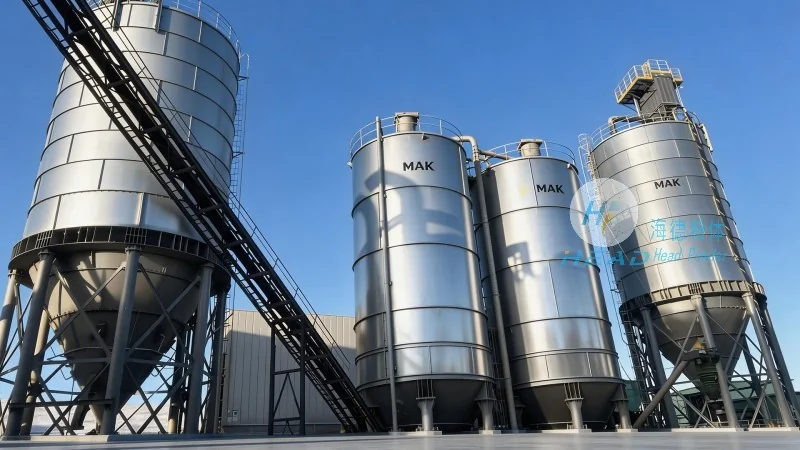
The choice between positive pressure and negative pressure systems is a fundamental decision in pneumatic conveying design. Positive pressure systems use a blower to force air and material through the pipeline, making them suitable for long-distance or high-velocity applications. Negative pressure systems, on the other hand, use a vacuum to draw material into the system, which is ideal for short distances or when handling dust-sensitive materials. For steel and lime applications, the selection depends on the specific material characteristics and the layout of the facility. Positive pressure systems are often preferred for steel due to its higher density and potential for abrasive wear, while negative pressure may be chosen for lime to minimize dust generation and maintain material quality.
The pipeline is the backbone of any pneumatic conveying system, and its design directly impacts performance and longevity. For steel and lime, which can be abrasive and corrosive, the pipeline material must be selected with care. Stainless steel or high-grade alloy pipes are commonly used to resist wear and corrosion caused by the materials. The pipeline diameter and length are also critical; larger diameters reduce pressure drop and energy consumption, while longer pipelines increase the risk of material settling or blockages. Properly sized elbows, tees, and other fittings are essential to maintain flow and prevent turbulence that could damage equipment or degrade material quality.
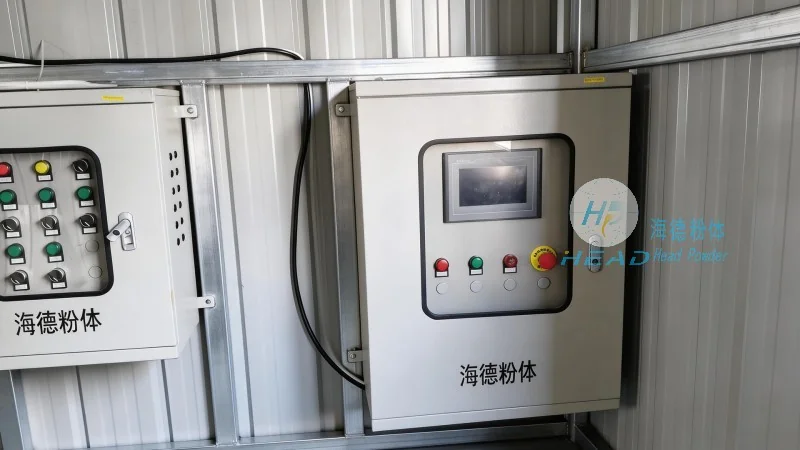
Key components like the conveyor, material separator, and control system must be matched to the material's properties. The conveyor (or blower) must generate sufficient air velocity to move the material without causing excessive wear. For steel, which is heavy and abrasive, a high-capacity blower with robust impeller design is necessary. Lime, being lighter and more prone to dust, may require a separator with fine filtration to prevent clogging and maintain air quality. The control system should include features like pressure monitoring, flow rate adjustment, and emergency shut-off to ensure safe and efficient operation. Automated controls can also optimize energy use and reduce downtime by adjusting to varying material loads.
Designing for safety is paramount in industrial material handling. For steel and lime, which can pose hazards like dust explosions or physical injury from falling materials, appropriate safety measures must be integrated. Explosion-proof components are required in areas where dust accumulation is possible, and proper ventilation systems are essential to maintain air quality. The system should also include features like overpressure relief valves and emergency stop buttons to prevent accidents. Regular maintenance and inspection schedules are critical to ensure the system operates safely and efficiently over time.
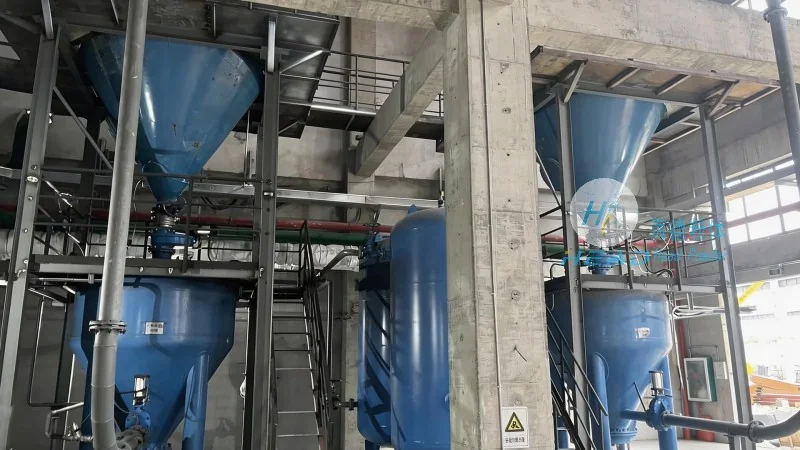
Shandong HeadPowder Engineering Co., Ltd., a leading provider of pneumatic conveying solutions, has successfully designed and implemented steel and lime pneumatic conveying systems for various industrial clients. By leveraging their expertise in material science and system design, they have optimized the performance of these systems to meet the specific needs of each application. For example, one client required a long-distance positive pressure system to transport steel from a mill to a processing plant, where HeadPowder designed a system using high-capacity blowers and stainless steel pipelines to handle the abrasive nature of the steel while minimizing energy consumption. Another project involved a negative pressure system for lime handling, where the company integrated advanced filtration and control systems to maintain material quality and ensure safe operation. These case studies highlight the importance of tailored design and expert engineering in achieving successful pneumatic conveying solutions.

 Shandong Headpowder Engineering Co., Ltd.
 156-6277-7102(Manager Zhang)
  0531-83386006
  Zhangqiu District, Jinan City, Shandong Province, China
telephone
WeChatconsult
top